Tag
computer science fundamentals
-

The Hidden Genius of Selection Sort: Why This Algorithm Still Matters
Algorithms are the invisible architects of modern computation, shaping how data is organized, processed, and retrieved. Among them, selection sort stands as a...
-

Binary Search Time Complexity: The Hidden Math Behind Blazing-Fast Searches
What makes this efficiency so striking is how it defies intuition. Most people assume that sorting through data requires examining every element—at least until...
-

Max Heap Demystified: The Powerhouse Behind Priority Systems
Yet for all its utility, the max heap remains misunderstood. Many developers treat it as a black box, calling its methods without grasping why it outperforms...
-

How LRU Cache Revolutionizes Performance in Modern Systems
At its core, the least recently used (LRU) cache is a self-tuning memory buffer that prioritizes accessibility over brute-force storage. It doesn’t merely...
-

How the AVL Tree Revolutionized Data Structures
The AVL tree isn’t just another data structure—it’s a masterclass in computational balance. Unlike its simpler binary search tree (BST) cousin, which can...
-

How Octal to Binary Conversion Powers Modern Computing
The octal to binary conversion isn’t merely a relic of early computing; it remains a practical tool in fields like embedded systems, where memory constraints...
-
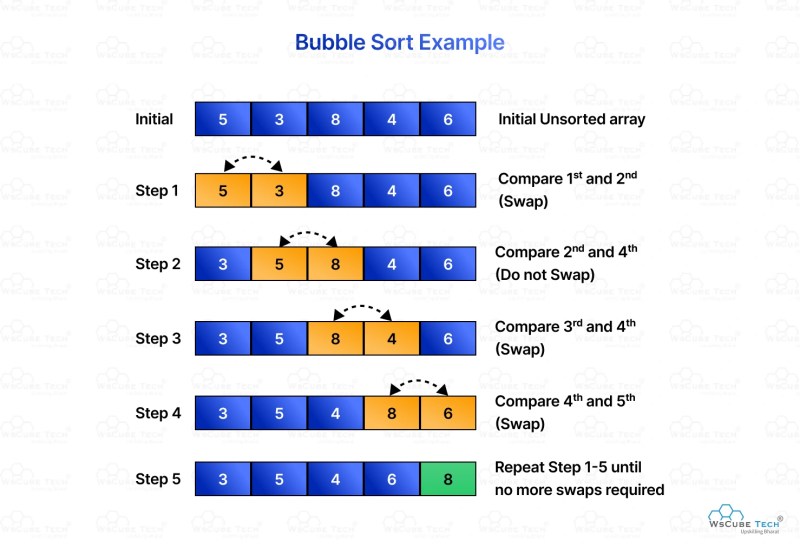
How Bubble Sort Shapes Algorithms: A Deep Dive into Its Mechanics and Legacy
Algorithms are the invisible scaffolding of modern computation—yet few are as deceptively simple yet foundational as bubble sort . At first glance, it appears...
-

How Inorder Traversal Reshapes Data Structures and Algorithms
Binary trees are the unsung architects of modern computing—silent yet indispensable, organizing data with surgical precision. At their core lies a trio of...