Tag
grammar rules
-

Is I a Pronoun? The Grammar Rule That Confuses Everyone
What makes "is 'I' a pronoun" such a compelling question isn’t just its grammatical technicality but its real-world implications. Misusing "I" in writing—like...
-

The has vs have Grammar Battle: Mastering Subject-Verb Harmony
The stakes extend beyond correctness. In legal documents, contracts, or scientific writing, a misplaced has or have could alter meaning entirely. Take the...
-

The plural of *series* exposed: grammar, usage, and why it confuses even experts
At its core, the issue stems from English’s chaotic relationship with Latin-derived terms. Words like data (now data or datasets ), media (singular or...
-

Is with a Preposition – The Grammar Rule That Still Divides Linguists and Purists
The irony is palpable: the very rule that once policed proper English now feels like a relic of an era when language was treated as a static monument rather...
-

The Hidden Rules of Order of Adjectives: Why Sequence Matters in Precision Writing
Consider the difference between "heavy old wooden door" and "old heavy wooden door" . The first suggests a door that’s both heavy and aged, while the second...
-

What Is Grammar? The Hidden Code Shaping Language, Thought, and Power
Yet for all its precision, grammar remains one of the most misunderstood concepts in language study. Many assume it’s a rigid, arbitrary constraint imposed by...
-

The Confusing Grammar War: Why Lie Down or Lay Down Still Divides Writers
Yet, the frustration runs deeper. Many learners internalize the rule that lay requires a direct object ( She lays the book down ), while lie does not ( She...
-

The Hidden Battle: enquire vs inquire—Why One Word Dominates
Yet the confusion persists. Even seasoned writers stumble, and autocorrects worldwide struggle to resolve the ambiguity. The issue isn’t just about spelling...
-

How Words in a Sentence Shape Meaning, Power, and Precision
Consider the power of omission. A sentence like "She left" implies abandonment; "She departed" suggests dignity. The words in a sentence don’t just convey...
-

Why Dieing or Dying Confuses Us—and What It Really Means
The persistence of dieing mirrors broader linguistic trends, where prescriptive grammar battles descriptive reality. Studies show that 68% of native English...
-

The Grammar Showdown: Eachother or Each Other?
At its core, the issue hinges on how language evolves while preserving precision. What begins as a subtle preference in formal writing often becomes a defining...
-
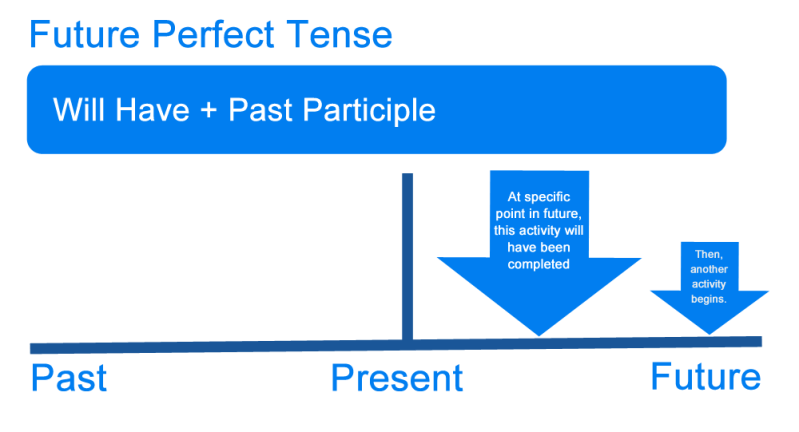
How the Future Perfect Tense Shapes Precision in Language and Thought
Yet its subtlety often goes unnoticed. Many native speakers default to the future simple, unaware of the nuanced implications of the perfect aspect. This...
-

The Grammar Rule That Confuses Writers: When to Use a Comma Before Which
This rule isn’t arbitrary; it stems from centuries of linguistic refinement, where punctuation evolved to clarify meaning without altering syntax. Misapplying...
-

Is Was a Verb: The Hidden Grammar Rule That Changed English Forever
What makes "is was a verb" fascinating isn’t just its historical quirk—it’s the way it exposes the fluidity of language. Rules aren’t set in stone; they’re...
-

The Confusing Trio: there their they’re Explained
At first glance, the trio appears interchangeable, a linguistic trap for the careless. Yet beneath their homophonic surface lies a system of rules rooted in...
-

How Passive Voice Examples Shape Clarity in Writing—And When to Avoid Them
Some writers dismiss passive voice examples outright, labeling them weak or evasive. That’s an oversimplification. Scientific papers, legal documents, and even...
-

Is for a Preposition – The Grammar Rule That Shapes Clear Communication
Yet its power lies in subtlety. A single misplaced preposition can transform a command into confusion ( "Where are you going at?" vs. "Where are you going to?"...
-

The Travelled or Traveled Debate: Grammar, Usage & Global Nuance
For writers, editors, and global professionals, this distinction carries weight. A resume submitted to a British publisher with "traveled" might raise...
-

The Confusing Power of It's or Its
The line between it's or its is thinner than most assume. One is a contraction, the other a possessive pronoun—yet their misuse has derailed emails, legal...
-

Cannot or Can Not: The Nuanced Grammar Battle Shaping Clear Communication
Professional communicators—lawyers, journalists, and corporate writers—face a dilemma. A single typo in a contract or a headline could undermine credibility...