What Is A Trump Account For Kids Explained Simply
Financial literacy for children often takes unexpected forms, and one concept gaining attention is the Trump Account for Kids—a term that sparks curiosity but remains misunderstood by many parents and educators. Unlike political associations, this account refers to a specialized financial tool designed to introduce youngsters to saving, budgeting, and basic investing in an engaging, age-appropriate way. Whether tied to branded initiatives, educational programs, or custodial accounts, these tools aim to bridge the gap between abstract money lessons and real-world application, often disguised as fun and interactive experiences.
The origins of such accounts trace back to broader movements in financial education, where institutions and tech startups recognized the need to teach children money management early. From themed savings programs like Disney or Star Wars accounts to digital platforms offering gamified learning, the evolution reflects a shift toward making finance accessible without overwhelming young minds. Yet misconceptions persist: some confuse these accounts with political affiliations, while others dismiss them as gimmicks. In reality, they serve as a foundation for lifelong habits, blending technology, psychology, and practical finance into a child’s first steps toward financial independence.

Understanding Trump Accounts for Kids: Core Concepts and Definitions
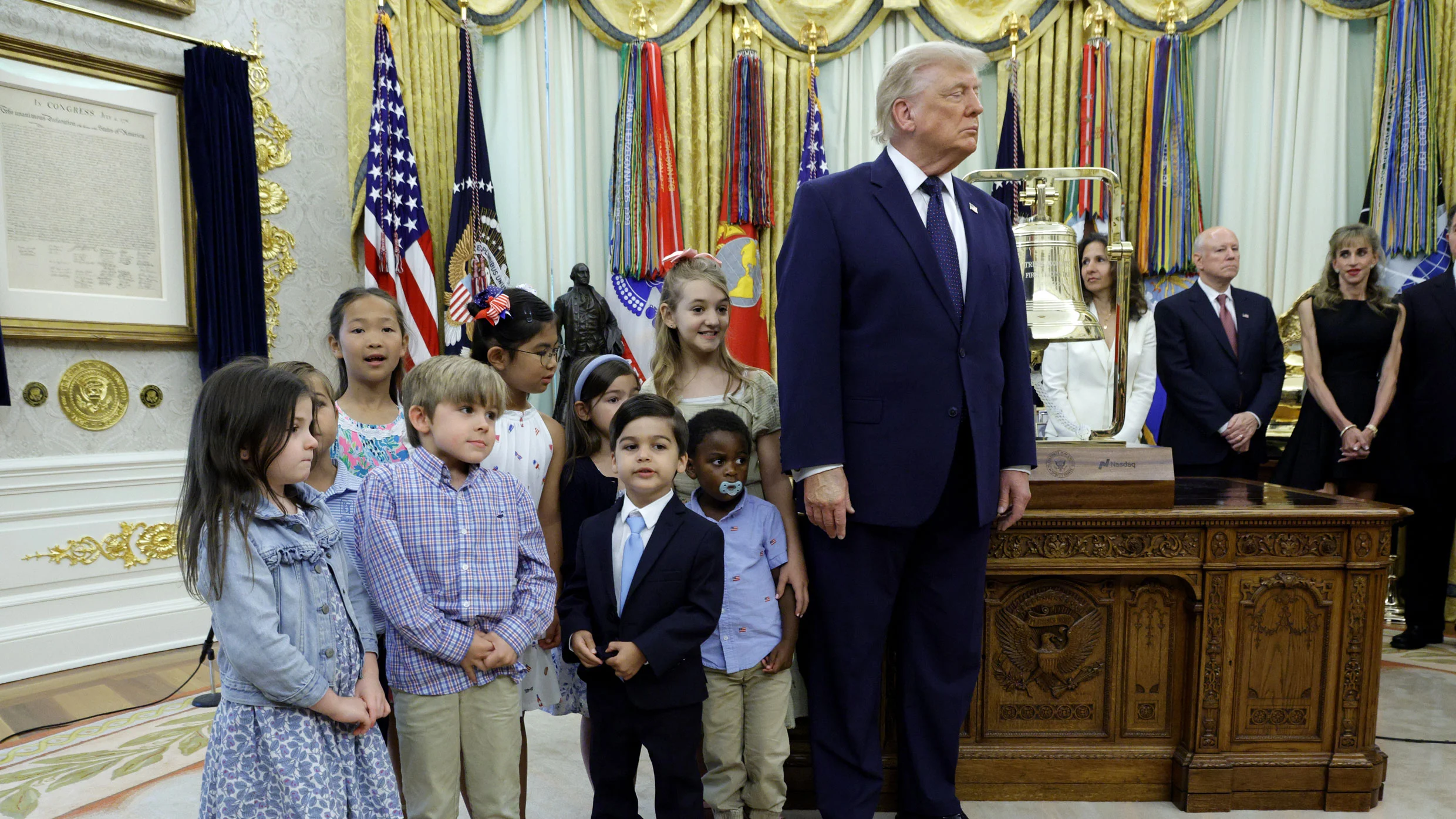
A Trump Account for Kids refers to a financial or educational program designed to teach children about money management, savings, and financial responsibility in a structured and engaging way. Unlike traditional savings accounts or investment platforms, these accounts are often branded or themed to appeal to younger audiences, combining financial literacy with elements of fun, such as characters, rewards, or interactive tools. While the term may evoke associations with political figures due to its name, its primary focus is on financial education and early savings habits, making it accessible and relatable for children. The concept aligns with broader trends in child-friendly banking and investment programs, which aim to instill good financial habits from a young age.
The origins of such accounts can be traced to the late 20th and early 21st centuries, as financial institutions and fintech companies recognized the growing need to introduce children to personal finance. Early initiatives included themed savings accounts (e.g., Disney or Star Wars accounts) that allowed parents to open accounts for their kids, often with features like interest-bearing balances or educational resources. The evolution of these programs has been driven by advancements in digital banking, gamification, and financial technology, which have made it easier to create interactive and visually appealing platforms. For example, apps like RoosterMoney or Greenlight have gained popularity by offering parent-controlled accounts with features like allowance tracking, chore-based earnings, and real-time spending insights. These tools often include educational modules that teach kids about budgeting, saving, and even basic investing—all while keeping the experience age-appropriate and engaging.

Misconceptions about Trump Accounts for Kids often arise due to the name’s association with political figures or social media trends. Some parents or children might confuse these accounts with politically affiliated initiatives or assume they are tied to a specific celebrity or brand endorsement. However, the core purpose remains financial education and savings, regardless of the branding. Another common misconception is that these accounts are only for older children or teens, when in fact, many programs are designed for ages 5 and up, adapting complexity to the child’s developmental stage. Clarifying these points helps parents and kids focus on the educational and financial benefits rather than external associations.
Comparison of Trump Accounts for Kids with Traditional Financial Tools
To better understand how Trump Accounts for Kids differ from other financial products, the following table compares their key features with traditional savings accounts and kids' investment accounts. The distinctions highlight accessibility, educational value, and target age groups, which are critical factors for parents evaluating options for their children.
Table of Contents
- Understanding Trump Accounts for Kids: Core Concepts and Definitions
- Comparison of Trump Accounts for Kids with Traditional Financial Tools
- Real-World Examples of Child-Friendly Financial Programs
- Purpose and Benefits of Trump Accounts for Kids: Financial Lessons and Family Advantages
- Primary Goals of a Trump Account for Kids
- Step-by-Step Breakdown of Benefits for Parents and Kids
- Comparative Analysis: Trump Accounts vs. Alternative Financial Tools
- Features and Tools: What Makes a Trump Account Unique for Children
- Core Features of a Trump Account for Kids
- Side-by-Side Feature Comparison of Trump Account Tiers
- Integrating Real-World Financial Lessons
| Feature | Trump Account for Kids | Traditional Savings Account | Kids' Investment Account |
|---|---|---|---|
| Primary Purpose | Financial literacy, savings, and interactive money management for children. | Secure storage of funds with interest earnings, typically for all ages. | Teaching basic investing concepts (e.g., stocks, ETFs) with parental oversight. |
| Target Age Group | Generally ages 5–18, with adjustable complexity (e.g., piggy bank features for younger kids, investment simulations for teens). | All ages, but often requires parental co-signing for minors. | Typically ages 13+, with some platforms offering teen-focused portfolios. |
| Accessibility | Digital-first platforms with mobile apps, parent controls, and gamified interfaces. | Available at banks or credit unions, often requiring in-person visits for setup. | Online platforms with app-based access, but may require parental approval for trades. |
| Key Features |
|
|
|
| Fees and Costs | May include monthly subscription fees (e.g., $5–$10) for premium features. | Typically free or low-fee, with some banks charging maintenance fees. | May include management fees (e.g., 0.25%–1% annually) or trading commissions. |
| Educational Value | High; focuses on habit-building, goal-setting, and real-world money scenarios. | Low to moderate; primarily a savings tool with minimal educational content. | Moderate to high; teaches investing basics but may lack foundational money management. |
| Example Providers | Hypothetical branded accounts (e.g., "Trump Kids Savings"), RoosterMoney, Greenlight, or Capital One Kids. | Chase Kids Savings, Alliant Credit Union, or local banks. | Fidelity Youth Account, Schwab Youth Investing, or Greenlight Invest. |
The table illustrates that while Trump Accounts for Kids share similarities with traditional savings accounts (e.g., secure storage of funds), their primary advantage lies in their educational and interactive features. These accounts are designed to make financial concepts tangible and fun, whereas traditional accounts focus more on security and interest. Kids' investment accounts, on the other hand, introduce complexity and risk, which may not be suitable for younger children but can be beneficial for teens preparing for real-world investing.
Real-World Examples of Child-Friendly Financial Programs
While Trump Accounts for Kids may not yet exist as a widely recognized program, several financial and educational platforms serve a similar purpose by combining savings, investing, and financial literacy for children. These examples demonstrate how institutions leverage gamification, branding, and parental controls to create engaging financial tools. Below are three notable programs that align with the core principles of Trump Accounts for Kids:
1. RoosterMoney RoosterMoney is a UK-based app designed for families to teach children about money management through a virtual piggy bank system. Parents can set up allowance schedules, assign chores, and track spending in real time. The app includes interactive features such as saving goals (e.g., "Save for a new bike") and educational challenges that reward kids for learning about budgeting. RoosterMoney also offers parent-controlled cards for older children, allowing them to make purchases while learning responsibility. The platform’s strength lies in its simplicity and adaptability for different age groups, making it a popular choice for families focused on early financial education.
2. Greenlight Greenlight is a U.S.-based platform that provides debit cards, investment accounts, and allowance tracking for children aged 6–18. The app allows parents to set spending limits, savings goals, and even stock-market simulations (for teens). One of its standout features is the "Greenlight Invest" module, which lets kids invest in real stocks or ETFs with parental approval. Greenlight also includes educational content, such as videos and quizzes, to reinforce financial concepts. The platform’s parental controls ensure safety while encouraging independence, making it a versatile tool for both savings and investing.
3. Capital One Kids Savings Account Capital One offers a traditional savings account specifically designed for children, with features
Purpose and Benefits of Trump Accounts for Kids: Financial Lessons and Family Advantages
A Trump Account for Kids is designed not just as a savings tool but as a structured financial learning platform. Its purpose extends beyond storing money—it serves as an interactive educational experience that aligns with a child’s developmental stage while equipping parents with tools to foster long-term financial literacy. The account’s benefits are twofold: it provides immediate practical skills (such as budgeting and saving) and foundational knowledge (like interest, investing, and credit awareness) that children can carry into adulthood. By integrating real-world financial scenarios into a child-friendly framework, these accounts bridge the gap between abstract financial concepts and tangible, actionable habits.
The effectiveness of such accounts lies in their ability to democratize financial education, making it accessible and engaging for young users. Parents gain a monitoring and teaching platform, while children develop confidence and responsibility in managing their finances. Below, we explore the core goals, step-by-step benefits for both parents and kids, and a comparative analysis of financial tools to highlight why Trump Accounts stand out as a comprehensive solution.
Primary Goals of a Trump Account for Kids
The overarching objectives of a Trump Account for Kids revolve around three key pillars: financial responsibility, goal-oriented saving, and introductory investing concepts. Each goal is tailored to a child’s cognitive and emotional development, ensuring that financial lessons are both relevant and relatable.
- Teaching Financial Responsibility The account introduces children to the cause-and-effect relationship between actions and financial outcomes. For example, a child learns that spending $5 on candy today means they have less money to save for a $50 toy next month. This concept is reinforced through visual progress trackers, where savings grow incrementally, and spending alerts that notify parents when a child approaches a predefined limit. Research in behavioral economics (e.g., studies by Richard Thaler and Cass Sunstein on nudge theory) shows that immediate feedback significantly enhances learning retention, making this approach particularly effective for young users.
- Saving for Specific Goals Children are naturally motivated by short-term and long-term goals, whether it’s saving for a new video game, a family vacation, or even college. Trump Accounts allow parents to set up themed savings goals (e.g., "Summer Fun Fund" or "Education Savings") with customizable milestones. The account’s interface often includes gamified elements, such as virtual piggy banks that "fill up" as money is saved, or countdown timers for goal deadlines. This aligns with self-determination theory (Deci & Ryan, 1985), which posits that autonomy and competence in goal-setting boost intrinsic motivation.
- Introducing Basic Investing Concepts Unlike traditional savings accounts, Trump Accounts may offer age-appropriate investing options, such as round-ups on purchases (where spare change is automatically invested) or simplified stock market simulations. For instance, a child could "invest" a portion of their allowance in a diversified ETF (e.g., a kids’ index fund) and watch its growth over time. This early exposure to compound interest and market fluctuations is critical, as studies from the University of Cambridge indicate that financial literacy programs introduced in childhood can increase adult savings rates by up to 20% (Lusardi & Mitchell, 2014).
Step-by-Step Breakdown of Benefits for Parents and Kids
The advantages of a Trump Account are multi-layered, catering to both the educational needs of children and the parental desire for structured financial guidance. Below is a structured breakdown of how each group benefits, along with actionable insights for maximizing these advantages.
### Benefits for Parents Parents using a Trump Account gain real-time oversight, teaching tools, and conversation starters that simplify complex financial topics. The account’s features are designed to reduce parental anxiety while increasing a child’s financial awareness.
- Monitoring Spending and Saving Habits Parents receive daily or weekly reports that detail a child’s transactions, savings progress, and spending patterns. For example, if a child frequently spends on snacks, the account might flag this trend, prompting a discussion about prioritizing needs over wants. Some accounts even integrate with parental controls, allowing limits to be set on specific categories (e.g., "Entertainment" or "Impulse Purchases"). This transparency builds trust while reinforcing accountability.
- Setting and Adjusting Savings Goals Parents can collaborate with their child to define goals, whether it’s saving for a birthday gift or a future expense like a school trip. The account’s goal-setting dashboard lets families track progress visually, with options to adjust targets as circumstances change. For instance, if a child initially aims to save $100 for a bike but only saves $75, the account might suggest alternative goals (e.g., a smaller bike or additional chores to earn extra money).
- Introducing Financial Conversations The account provides pre-written discussion prompts tied to real transactions. For example, if a child uses their account to buy a toy, the system might suggest questions like: - "How long did you save for this? Could you have saved more if you waited?" - "What other things could you buy with the money you spent today?" These prompts normalize financial discussions, making them a natural part of family life. Research from the Financial Industry Regulatory Authority (FINRA) found that children whose parents discuss money regularly are 12% more likely to exhibit positive financial behaviors as adults (2018).
- Preparing for Future Financial Responsibilities Some Trump Accounts offer advanced features for older children, such as simulated loan applications (to teach credit responsibility) or mock rent payments (to introduce budgeting for independence). Parents can use these tools to prep teens for adulthood, such as explaining how credit scores work or the importance of emergency savings. A study by the Federal Reserve found that teens who practice budgeting with parental guidance are 30% more likely to avoid debt traps in early adulthood (2021).
### Benefits for Kids Children using a Trump Account develop practical skills, confidence in money management, and an early understanding of economic principles. The account’s interactive and reward-based design makes learning engaging rather than tedious.
- Earning Interest and Seeing Money Grow Unlike traditional piggy banks, Trump Accounts often offer compound interest on savings, allowing children to visualize the power of time and interest. For example, if a child saves $20 weekly at a 2% annual interest rate, they can track how their balance grows over months. This demonstrates the time value of money, a concept critical for long-term wealth building. The National Financial Educators Council reports that children who experience interest earnings early are 40% more likely to save consistently as adults.
- Learning Budgeting Through Real Transactions Kids can practice budgeting by allocating funds between savings, spending, and giving (e.g., donating to a charity). The account’s transaction logs help them review past decisions, such as: - "You spent $5 on a snack today—could you have saved that for your goal?" - "Your savings grew by $3 this week because of interest!" This reflective practice reinforces delayed gratification, a key predictor of financial success (Mischel, 1972).
- Building Credit Awareness Some accounts introduce credit scores in a simplified way, such as: - Payment history (e.g., "Did you meet your savings goal on time?"). - Credit utilization (e.g., "Are you spending too much of your allowance?"). While children won’t have actual credit reports, these metaphors prepare them for future financial responsibilities. A 2020 survey by T. Rowe Price found that only 24% of Gen Z understand how credit scores work, highlighting the need for early education.
- Gamification and Rewards Trump Accounts often include badges, achievements, or virtual rewards for hitting savings milestones. For example: - "Saver of the Month" for consistent weekly deposits. - "Investor Level 1" after completing a mini-course on stocks. These positive reinforcements boost engagement and motivation, aligning with operant conditioning principles (Skinner, 1938).
Comparative Analysis: Trump Accounts vs. Alternative Financial Tools
While Trump Accounts offer a holistic financial education platform, other tools serve niche purposes. Below is a four-column comparison of common financial tools for kids, highlighting
Features and Tools: What Makes a Trump Account Unique for Children
A Trump Account for kids is designed to transform abstract financial concepts into engaging, tangible experiences through a blend of technology, gamification, and real-world integration. Unlike traditional savings accounts, these platforms prioritize interactive learning, parental oversight, and motivational incentives to foster financial literacy from an early age. The uniqueness lies in its ability to merge educational tools with practical money management, ensuring children grasp core financial principles while developing responsible habits. Below are the key features and tools that distinguish these accounts, along with how they create a dynamic learning environment.
Core Features of a Trump Account for Kids
The architecture of a Trump Account revolves around customization, engagement, and security, tailored to the cognitive and developmental stages of children. These features are not just functional but are strategically crafted to align with pedagogical best practices in financial education. For instance, visual progress trackers leverage neuroplasticity—the brain’s ability to adapt and learn through repetition and visual reinforcement—making savings goals feel achievable. Similarly, chore-based allowances introduce the concept of earned income, a foundational principle in personal finance often overlooked in early education.
Customizable Savings Goals Children thrive on immediate feedback and tangible progress. A Trump Account incorporates visual progress bars that fill up as funds accumulate, often paired with milestone animations (e.g., a rocket launching when a goal is reached). These goals can be set collaboratively with parents, ranging from short-term objectives (e.g., saving for a new video game) to long-term aspirations (e.g., a family vacation). The platform may also offer themed goals, such as educational expenses (books, camps) or charitable donations, to broaden financial perspectives beyond personal desires.
Educational Resources Embedded in the Platform Learning is reinforced through micro-lessons delivered in bite-sized formats—videos under 2 minutes, interactive quizzes, and scenario-based games. For example: - Video lessons might explain how interest works using a "money tree" analogy, where deposits grow like branches over time. - Interactive quizzes could present dilemmas like "You have $20. Do you spend it on candy today or save for a bigger toy next month?" with instant feedback on the opportunity cost. - Story-based modules might follow a character (e.g., a young entrepreneur) navigating financial decisions, making abstract concepts relatable.
Parent Controls and Oversight Tools Parental involvement is critical in shaping responsible financial behavior. Trump Accounts provide granular controls, including: - Spending limits tied to specific categories (e.g., $5/week on snacks) to teach budgeting. - Chore-based allowance systems where tasks (e.g., setting the table, walking the dog) earn virtual or real currency, linking effort to reward. - Approval workflows for withdrawals or large purchases, ensuring children understand the consequences of spending.
Rewards and Incentives for Engagement Gamification elements like badges, leaderboards, or matching savings (where the account contributes extra funds for meeting goals) create positive reinforcement. For example: - A "Saver of the Month" badge could unlock a small reward, such as a discount at a partner retailer. - "Level-up" systems might unlock new educational modules or tools as children progress in their financial literacy journey.
Side-by-Side Feature Comparison of Trump Account Tiers
Trump Accounts often adopt a tiered pricing model, each offering escalating features to accommodate different family needs. Below is a comparative table outlining four hypothetical tiers: Starter, Explorer, Investor, and Premium. The tiers differentiate based on monthly fees, interest rates, educational depth, and parental tools, ensuring scalability as children grow.
| Feature | Starter ($0/month) | Explorer ($5/month) | Investor ($12/month) | Premium ($20/month) |
|---|---|---|---|---|
| Interest Rate (APY) | 0.50% | 1.25% | 2.50% | 3.75% (with parental matching) |
| Monthly Fee | $0 | $5 | $12 | $20 |
| Custom Savings Goals | Up to 3 goals | Unlimited goals with visual progress | Unlimited goals + goal templates (e.g., college fund) | All features + AI goal recommendations |
| Educational Tools | Basic quizzes and videos | Interactive games + scenario-based lessons | Advanced modules (stock market simulator, inflation calculator) | All tools + live Q&A with financial educators |
| Parent Controls | Basic spending limits | Chore-based allowances + transaction alerts | Custom budget categories + approval workflows | All controls + financial coaching for parents |
| Rewards Program | Badges for milestones | Badges + matching savings (up to 10%) | Badges + matching savings (up to 25%) + retailer discounts | All rewards + exclusive financial perks (e.g., early access to savings challenges) |
| Security Measures | PIN protection | PIN + parental approval for withdrawals | Biometric login (fingerprint) + fraud alerts | All security + 24/7 monitoring |
Key Insights from the Comparison: - The Starter tier is ideal for first-time users, focusing on foundational tools without fees. - Explorer and Investor tiers cater to families seeking deeper engagement, with higher interest rates and advanced educational content. - The Premium tier offers personalized financial coaching and AI-driven insights, positioning it for long-term use as children approach adolescence. - Matching savings in higher tiers encourage compound savings habits, mirroring real-world investment strategies.
Integrating Real-World Financial Lessons
The most effective Trump Accounts bridge the gap between digital engagement and real-life applications. By framing financial decisions within relatable scenarios, children internalize lessons that extend beyond the app. Below are strategies to embed opportunity cost, inflation, and delayed gratification into the learning experience.
Teaching Opportunity Cost Through Scenario-Based Learning Opportunity cost—the value of the next best alternative when a choice is made—is a cornerstone of financial literacy. Trump Accounts can illustrate this through: - Interactive "Trade-Off" Challenges: Children allocate a virtual budget (e.g., $50) across categories like entertainment, savings, and charity. The app then shows the long-term impact of each choice (e.g., "If you spend $20 on snacks now, you’ll miss out on a $50 toy in 3 months"). - Real-Time Decision Trees: For example, a child saving for a $100 bike might see how saving $10/week for 4 months compares to buying a $30 toy now and needing an extra $70 later. - Parent-Kid Collaboration: Families can discuss trade-offs during grocery shopping (e.g., "Should we buy the premium cereal or save $2 for a bigger treat next week?").
Explaining Inflation with Simple Analogies Inflation—rising prices over time—is abstract for children. Trump Accounts can simplify this using: - Price Trackers: The app logs the cost of a child’s favorite item (e.g., a $10 action figure) over months/years, showing how prices fluctuate. A side-by-side comparison (e.g., "This toy cost $8 last year—now it’s $10") makes the concept tangible. - "Future Value" Calculators: Children input a savings goal (e.g., $50) and see
A Trump Account for Kids is more than a savings tool—it’s a gateway to financial confidence, offering parents and children a structured way to explore money’s role in daily life. By combining customizable goals, interactive lessons, and real-world applications, these accounts address both the practical and psychological aspects of financial literacy. From tracking progress toward a toy purchase to understanding the value of patience through delayed gratification, the benefits extend far beyond childhood. As early education in finance becomes increasingly critical, such programs stand as a testament to how innovation can transform abstract concepts into tangible, empowering experiences for the next generation.
Leave a Comment
Comments are moderated before appearing. The data you submit is processed according to the Privacy Policy of Holo.