What Are The Eligibility Criteria For Youtube Shorts Creator Payments Explained
YouTube Shorts has transformed how creators monetize short-form content, offering a direct revenue stream for those who master its algorithm. Unlike traditional long-form videos, Shorts thrive on rapid engagement, with YouTube prioritizing watch time and view counts to determine payouts. The Creator Payments program, launched to reward creators for their efforts, introduces a new monetization frontier—but navigating its eligibility criteria can be complex without clear guidance.
From minimum watch time thresholds to geographic restrictions, understanding the fine print is essential for creators aiming to turn views into earnings. This guide breaks down the exact requirements, compares Shorts payments with the YouTube Partner Program, and highlights how regional factors influence payouts. Whether you’re a newcomer or an established creator, clarity on these metrics ensures you’re positioned to maximize earnings from Shorts.
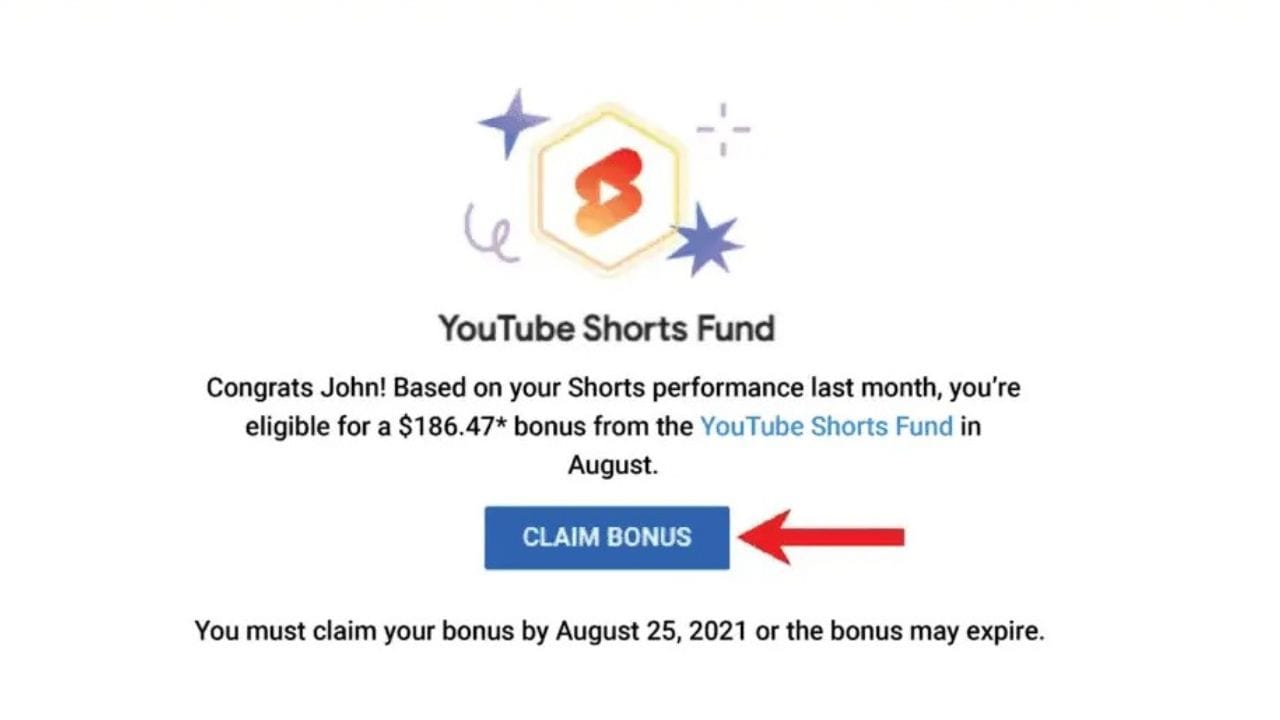
Understanding YouTube Shorts and the Creator Payment Program
YouTube Shorts represents a pivotal evolution in digital content consumption, designed to compete with the explosive growth of vertical video platforms like TikTok and Instagram Reels. As a standalone feature within YouTube’s broader ecosystem, Shorts prioritizes brevity, accessibility, and algorithmic virality, fundamentally altering how creators engage with audiences and monetize their content. Unlike traditional long-form videos, which rely on sustained viewer attention and deeper storytelling, Shorts thrives on quick, high-impact visuals optimized for mobile consumption. This shift has not only redefined audience engagement strategies but also introduced a distinct monetization pathway—YouTube’s Creator Payments program—tailored specifically to reward creators for generating views and watch time on Shorts. Understanding the mechanics of this program, including its eligibility criteria, revenue models, and geographic constraints, is essential for creators seeking to maximize earnings while navigating YouTube’s evolving monetization landscape.
YouTube Shorts as a Distinct Content Format and Its Role in Audience Engagement
 YouTube Shorts was officially launched in 2020 as a direct response to the dominance of short-form video platforms, offering creators a tool to produce and distribute bite-sized content (ranging from 15 seconds to 60 seconds) with minimal production barriers. The format’s design emphasizes vertical, full-screen video consumption, leveraging YouTube’s existing infrastructure while integrating features such as auto-play, in-app creation tools, and seamless sharing capabilities. This approach aligns with modern audience behavior, where 85% of global internet users access content via mobile devices, and attention spans are increasingly fragmented.
The algorithmic prioritization of Shorts further distinguishes it from traditional YouTube content. Shorts are prominently featured in a dedicated tab on the YouTube app, the Shorts shelf on the homepage, and within search results, ensuring high visibility regardless of a creator’s subscriber count. This prioritization is driven by YouTube’s watch time-based ranking system, where Shorts with higher engagement rates (measured by views, likes, shares, and comments) are amplified through the algorithm. Unlike long-form videos, which rely on subscriber loyalty and content discovery through recommendations, Shorts thrive on discoverability and virality, making them an ideal platform for creators to rapidly expand their reach.
For audience engagement, Shorts fosters micro-interactions—such as quick reactions, challenges, or trending audio usage—that encourage immediate participation. Creators can leverage Shorts to tease longer content, drive traffic to their channels, or even repurpose existing videos into digestible clips. However, the format’s brevity also demands creative efficiency, requiring creators to convey compelling narratives or entertainment value within seconds. This dynamic has led to a hybrid monetization strategy, where Shorts serve as both a standalone revenue stream and a traffic driver for long-form content, creating a symbiotic relationship within a creator’s content ecosystem.
YouTube Shorts was officially launched in 2020 as a direct response to the dominance of short-form video platforms, offering creators a tool to produce and distribute bite-sized content (ranging from 15 seconds to 60 seconds) with minimal production barriers. The format’s design emphasizes vertical, full-screen video consumption, leveraging YouTube’s existing infrastructure while integrating features such as auto-play, in-app creation tools, and seamless sharing capabilities. This approach aligns with modern audience behavior, where 85% of global internet users access content via mobile devices, and attention spans are increasingly fragmented.
The algorithmic prioritization of Shorts further distinguishes it from traditional YouTube content. Shorts are prominently featured in a dedicated tab on the YouTube app, the Shorts shelf on the homepage, and within search results, ensuring high visibility regardless of a creator’s subscriber count. This prioritization is driven by YouTube’s watch time-based ranking system, where Shorts with higher engagement rates (measured by views, likes, shares, and comments) are amplified through the algorithm. Unlike long-form videos, which rely on subscriber loyalty and content discovery through recommendations, Shorts thrive on discoverability and virality, making them an ideal platform for creators to rapidly expand their reach.
For audience engagement, Shorts fosters micro-interactions—such as quick reactions, challenges, or trending audio usage—that encourage immediate participation. Creators can leverage Shorts to tease longer content, drive traffic to their channels, or even repurpose existing videos into digestible clips. However, the format’s brevity also demands creative efficiency, requiring creators to convey compelling narratives or entertainment value within seconds. This dynamic has led to a hybrid monetization strategy, where Shorts serve as both a standalone revenue stream and a traffic driver for long-form content, creating a symbiotic relationship within a creator’s content ecosystem.
YouTube’s Creator Payments Program: Introduction, Updates, and Revenue Model
The YouTube Shorts Fund, later rebranded as YouTube Shorts Payments, was introduced in February 2021 as a pilot program in the United States, Canada, and Mexico. Initially, YouTube allocated $100 million USD to distribute payments to creators based on the performance of their Shorts. By June 2021, the program expanded globally, with additional funding and structural refinements. In 2022, YouTube announced the transition from the Shorts Fund to Creator Payments, integrating Shorts monetization with the broader YouTube Partner Program (YPP) ecosystem. This shift marked a significant evolution, as payments were no longer limited to a fixed fund but instead tied to ad revenue generated from Shorts views, similar to long-form content. Key updates to the program include:
The revenue model for YouTube Shorts Payments operates on a revenue-sharing basis, where creators earn a portion of the advertising revenue generated from Shorts views. Unlike the traditional YPP, which pays creators based on CPM (cost per thousand impressions), Shorts payments are structured around a flat rate per view, though the exact payout varies by region and advertiser demand. YouTube has not disclosed the precise revenue share percentage publicly, but industry estimates suggest creators receive between 40% to 55% of the ad revenue generated by their Shorts, depending on factors such as viewer location and ad format.
Foundational Metrics for YouTube Shorts Payments Eligibility
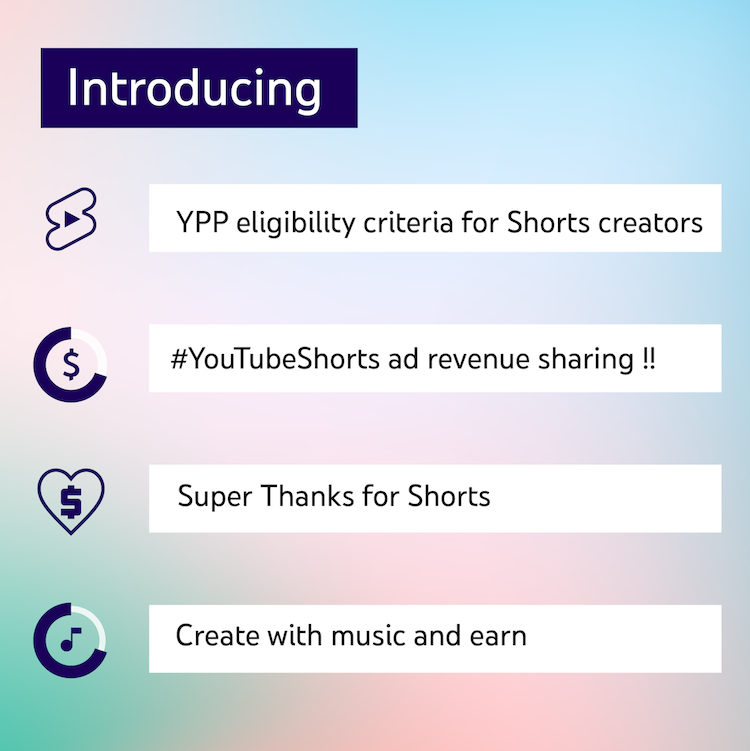 Eligibility for YouTube Shorts Payments is governed by a set of performance-based metrics designed to ensure creators generate meaningful engagement. These metrics differ significantly from those required for the traditional YouTube Partner Program, reflecting the unique characteristics of short-form content. Below are the core eligibility criteria as of 2024:
YouTube evaluates creators based on the following foundational metrics:
Eligibility for YouTube Shorts Payments is governed by a set of performance-based metrics designed to ensure creators generate meaningful engagement. These metrics differ significantly from those required for the traditional YouTube Partner Program, reflecting the unique characteristics of short-form content. Below are the core eligibility criteria as of 2024:
YouTube evaluates creators based on the following foundational metrics:
Table of Contents
- Understanding YouTube Shorts and the Creator Payment Program
- YouTube Shorts as a Distinct Content Format and Its Role in Audience Engagement
- YouTube’s Creator Payments Program: Introduction, Updates, and Revenue Model
- Foundational Metrics for YouTube Shorts Payments Eligibility
- Comparison Between YouTube Shorts Payments and the YouTube Partner Program
- Step-by-Step Eligibility Criteria for YouTube Shorts Payments
- Minimum Requirements for Channel Eligibility
- Viewer and Watch Time Thresholds for Payment Eligibility
- Content-Specific Criteria and Policy Compliance
- Step-by-Step Guide to Verify Shorts Payment Eligibility
- Geographic and Demographic Factors Affecting YouTube Shorts Creator Payments
- Countries Eligible for YouTube Shorts Payments and Verification Process
- Impact of Viewer Demographics on Payment Eligibility
- Language Settings and Content Localization for Monetization
- Comparative Analysis of Payment Eligibility Across Regions
Note: YouTube reserves the right to adjust eligibility criteria based on platform health, ad market conditions, and creator feedback. Creators should regularly check the YouTube Partner Program policies for updates.
Comparison Between YouTube Shorts Payments and the YouTube Partner Program
While both YouTube Shorts Payments and the YouTube Partner Program (YPP) aim to monetize creator content, they differ in eligibility requirements, revenue models, and payout structures. Below is a comparative analysis presented in a structured table for clarity:
| Metric | YouTube Shorts Payments | YouTube Partner Program (Long-Form) |
|---|---|---|
| Minimum Views Requirement | 10 million Shorts views in the last 90 days from 100,000+ subscribers. | 4,000 watch hours (or 10 million Shorts views as an alternative path in some regions). |
| Watch Time Threshold | Average view duration is considered, but no strict minimum watch time per video. | 4,000 total watch hours across all videos, with 1,000 subscriber requirement. |
| Geographic Eligibility | Available in over 100 countries, but payout rates vary by region (e.g., higher in the U.S.). | Available in 100+ countries, but monetization policies (e.g., ad formats) differ by region. |
| Revenue Share | 40–55% of ad revenue generated from Shorts views (varies by location and ad demand). | 55% of ad revenue (standard rate) or 45% for Premium revenue (if applicable). |
| Payout Frequency | Monthly payments, processed on the last day of each month for the previous month’s earnings. | Monthly payments, processed on the last day of each month (with a $100 minimum threshold). |
| Additional Requirements | Must have 100,000+ subscribers and comply with Shorts-specific policies. | Requires two uploaded videos (or Shorts) and adherence to Community Guidelines. |
| Cross-Platform Benefits | Shorts can drive traffic |
Step-by-Step Eligibility Criteria for YouTube Shorts Payments
To qualify for YouTube Shorts Fund payments, creators must navigate a structured set of eligibility criteria that evaluate channel performance, compliance, and content quality. These criteria are designed to ensure only high-performing, policy-compliant creators receive compensation for their Shorts. Below is a detailed breakdown of the minimum requirements, viewer engagement thresholds, and content-specific rules that determine eligibility.
Minimum Requirements for Channel Eligibility
YouTube imposes foundational criteria that creators must fulfill before their Shorts can be considered for payment. These requirements serve as a baseline to filter out channels that may not meet the platform’s standards for monetization. The criteria include channel age, subscriber count, geographic restrictions, and adherence to YouTube’s policies. YouTube does not explicitly state a minimum subscriber count as a strict requirement for Shorts payments, unlike its traditional ad-based monetization program. However, channels must meet broader eligibility criteria that indirectly influence their potential to generate revenue. For instance, channels with fewer than 1,000 subscribers or those created within the last 30 days are generally excluded from consideration, as they lack the necessary history or audience engagement to qualify. Additionally, channels must be at least 30 days old and have no active Community Guidelines strikes or repeated policy violations. These strikes can arise from issues such as copyright infringements, misleading metadata, or violations of age-restricted content policies. Geographic and Language Restrictions Eligibility for Shorts payments is currently limited to creators based in specific countries, primarily within the United States, Canada, Mexico, United Kingdom, Australia, Germany, India, Japan, New Zealand, South Korea, and the European Union. Creators outside these regions are not eligible for the program, though YouTube may expand availability based on regional demand and performance metrics. Furthermore, channels must be set to a supported language, as Shorts payments are tied to content that can be monetized in these linguistic and geographic markets. Creators should verify their channel’s language settings in YouTube Studio under Settings > Channel > Language to ensure alignment with eligible regions. Adherence to YouTube’s Policies Compliance with YouTube’s Community Guidelines, Terms of Service, and Shorts-specific policies is non-negotiable. Violations such as copyright strikes, spammy behavior, or age-restricted content automatically disqualify a channel from payments. For example, a Short featuring copyrighted music without proper licensing or a channel with multiple strikes for misleading thumbnails will fail eligibility checks. Creators should regularly audit their content using YouTube Studio’s Policy Manager to identify and resolve potential issues before they impact payment eligibility.
Viewer and Watch Time Thresholds for Payment Eligibility
Watch time and viewer engagement are the cornerstone metrics for determining whether a creator’s Shorts qualify for payments. YouTube calculates eligibility based on total watch time, average view duration, and unique viewer counts accumulated over a 30-day rolling window. Unlike traditional ad revenue, which relies on impressions, Shorts payments are tied to viewer retention and repeat engagement, ensuring creators are rewarded for producing content that holds attention. How YouTube Calculates Watch Time Watch time is measured in seconds viewed per Short, with YouTube prioritizing longer average view durations as an indicator of quality content. For a Short to contribute to a creator’s eligibility, viewers must watch at least 50% of the video. For example, a 15-second Short must retain viewers for a minimum of 7.5 seconds to count toward watch time. YouTube aggregates this data across all Shorts uploaded in the last 30 days to determine if the creator meets the minimum watch time threshold, which is not publicly disclosed but estimated to be around 10,000 valid watch minutes (166+ hours) per month based on creator reports and industry benchmarks. Role of Repeat Views and Unique Viewers While repeat views (the same viewer watching a Short multiple times) contribute to watch time, YouTube places greater emphasis on unique viewers to prevent manipulation. For instance, a creator might accumulate high watch time from a single viewer watching the same Short repeatedly, but this does not significantly boost eligibility compared to attracting new, diverse audiences. YouTube’s algorithm cross-references viewership data to ensure fairness, though exact weighting between repeat and unique views remains undisclosed. Creators should focus on viral potential, shareability, and audience growth to maximize unique viewer counts. Example of Watch Time Accumulation Consider a creator who uploads 10 Shorts in a month, each averaging 30 seconds in length. If each Short receives:
If the creator exceeds the estimated 10,000-minute threshold, their Shorts may qualify for payment, provided all other criteria are met. Creators can track these metrics in YouTube Studio’s Analytics > Shorts tab, where they can monitor average view duration, watch time per Short, and unique viewers.
Content-Specific Criteria and Policy Compliance
Beyond channel and viewer metrics, YouTube enforces content-specific rules to ensure Shorts are original, policy-compliant, and suitable for monetization. Creators must avoid copyrighted material, adhere to age restrictions, and follow Shorts-specific guidelines to prevent disqualification. Violations in this category are automatically flagged and can lead to permanent exclusion from the Shorts Fund. Restrictions on Copyrighted Material Shorts containing unlicensed music, trademarked visuals, or copyrighted footage without proper authorization will fail eligibility checks. For example, using a popular song in the background without a YouTube Audio Library license or Content ID claim can trigger a copyright strike. Creators should:
Age-Restricted Content and Policy Violations Shorts marked as age-restricted (e.g., containing violence, strong language, or adult themes) are ineligible for payments, even if they meet other criteria. YouTube’s Shorts-specific policies also prohibit:
Creators can preemptively check their Shorts using YouTube’s Policy Playbook or the Shorts-specific guidelines in the Creator Academy. Additionally, the YouTube Studio Analytics dashboard provides insights into policy strikes and claims, allowing creators to address issues before they affect payment eligibility. Tracking Eligibility Progress with YouTube Studio Analytics YouTube Studio offers a dedicated Shorts analytics section where creators can monitor key metrics tied to eligibility:
For example, a creator might notice that Shorts with trending audio perform better in watch time, prompting them to focus on similar formats. By regularly reviewing these metrics, creators can optimize content strategy to meet or exceed eligibility thresholds.
Step-by-Step Guide to Verify Shorts Payment Eligibility
To confirm whether a channel meets all eligibility criteria for YouTube Shorts payments, creators should follow this structured verification process. This guide ensures no requirements are overlooked and provides a clear path to resolving potential issues.
-
Check Channel Age and History
- Verify the channel was created at least 30 days ago in YouTube Studio under About > Channel details.
- Ensure there are no active Community Guidelines strikes by visiting Community > Policy Manager.
- Confirm the channel has no repeated policy violations in the last 90 days.
-
Confirm Geographic and Language Settings
- Navigate to Settings > Channel > Language and select a supported language.
- Verify the channel’s country of origin is in an eligible region (e.g., US, UK, India).
- Check if the channel’s default upload country matches a supported market.
-
Review Watch Time and Viewer Metrics
Geographic and Demographic Factors Affecting YouTube Shorts Creator Payments
YouTube Shorts Creator Payments operate within a structured framework that heavily relies on geographic and demographic variables. Creators must align their content strategy with regional eligibility, ad revenue availability, and viewer demographics to qualify for payouts. The platform prioritizes regions with active AdSense markets, meaning creators in countries with limited ad infrastructure may face challenges despite high engagement. Additionally, language settings and content localization play a critical role in determining monetization potential, as YouTube’s algorithm favors content that resonates with global or high-revenue audiences. Understanding these factors enables creators to optimize their channels for eligibility and maximize earnings.Countries Eligible for YouTube Shorts Payments and Verification Process
As of 2024, YouTube Shorts payments are available in 49 eligible countries, with the platform continuously expanding access based on ad market maturity and creator demand. The list includes major markets such as the United States, United Kingdom, Canada, Australia, Germany, France, India, Japan, and Mexico, among others. Recent additions in 2023–2024 include Brazil, South Korea, and the Netherlands, while regions like Russia and China remain ineligible due to restricted AdSense policies. Creators can verify their location’s eligibility by: - Checking the YouTube Partner Program (YPP) dashboard under the "Shorts Fund" or "Ad Revenue" section.
- Reviewing Google AdSense account status, as Shorts payments are processed through AdSense.
- Confirming channel country settings in YouTube Studio (Settings > Channel > Country).
- Set the correct channel country in YouTube Studio, as this determines ad revenue distribution.
- Avoid using VPNs or proxies to artificially change location, as this violates YouTube’s terms and can lead to account suspension.
- Link an AdSense account with a valid address in an eligible country, even if the creator resides elsewhere.
- Ad revenue per 1,000 views (RPM): Varies drastically by country. For example, the U.S. averages $5–$10 RPM, while India averages $1–$3 RPM due to lower ad rates.
- Viewer engagement metrics: Shorts with higher watch time and shares from eligible regions are prioritized for payments.
- Age and income demographics: Younger audiences (18–34) in high-income countries (e.g., Germany, Japan, U.S.) tend to generate more ad revenue than older demographics in lower-income regions.
- Targeting audiences in high-RPM regions through SEO-optimized titles, tags, and captions.
- Analyzing YouTube Analytics to identify top-performing regions and tailor content accordingly.
- Encouraging shares and engagement from eligible countries via community posts or collaborations.
- Subtitles and translations: Adding auto-generated or manual subtitles in high-demand languages increases discoverability.
- Cultural relevance: Localized humor, trends, or challenges resonate better with specific audiences while maintaining global potential.
- Multilingual thumbnails and captions: Using text in multiple languages can attract diverse viewers.
- Translate titles/captions into English or Spanish if targeting global audiences.
- Use trending audio with universal appeal (e.g., remixes, meme sounds) to bypass language barriers.
- Collaborate with creators from eligible regions to expand reach.
- Leveraging YouTube Premium revenue: Shorts watched by Premium subscribers (in eligible countries) contribute to payouts.
- Monetizing through external channels: Promoting Shorts on TikTok, Instagram Reels, or Facebook to drive traffic from eligible regions.
- Creating "global-friendly" content: Avoiding region-specific references that limit ad revenue potential.
- Prioritize high-engagement niches (gaming, finance, tech) for maximum RPM.
- Leverage trending sounds and hashtags to compete with saturated content.
- Monitor ad blocker usage (common among U.S. audiences) to ensure revenue capture.
- Focus on local trends and regional languages (Hindi, Tamil, Bengali) for higher watch time.
- Use short, high-energy formats (under 15 seconds) to combat high dropout rates.
- Collaborate with Indian influencers to tap into their established audiences.
- Optimize for Portuguese-language content with global appeal (e.g., dance challenges, humor).
- Engage with Brazilian meme culture to boost shares and algorithm favor.
- Test longer Shorts (up to 60 seconds) to align with local consumption habits.
- Promote Shorts on TikTok or Instagram to drive traffic from eligible countries.
- Create multilingual content (Bahasa Indonesia + English) to attract global viewers.
- Explore YouTube Memberships or Super Chats as alternative revenue streams.
- Use German subtitles and trending sounds (e.g., viral audio clips from local
Eligibility for YouTube Shorts Creator Payments hinges on a mix of performance metrics, geographic availability, and strict adherence to platform policies. Creators must track watch time, optimize for ad-friendly regions, and ensure their content aligns with YouTube’s guidelines to qualify. By leveraging analytics, refining content strategies, and staying updated on program changes, creators can unlock a steady income stream. The key lies in consistency—balancing creativity with data-driven adjustments to meet thresholds and expand reach across eligible markets.
Note: Eligibility may change without prior notice. Creators should monitor YouTube’s official blog or Partner Program announcements for updates.To ensure compliance, creators must:
Impact of Viewer Demographics on Payment Eligibility
YouTube’s payment algorithm favors views from regions with high ad spend and active AdSense markets, as these areas generate more revenue per view. The platform uses a weighted view system, where views from eligible countries contribute more significantly to payouts than those from ineligible regions. For instance, a Short viewed in the United States may generate 2–3x more revenue than the same Short viewed in a country with limited ad infrastructure, such as Indonesia or Nigeria (both ineligible as of 2024). Key demographic influences include:Example: A Short with 100,000 views—50% from the U.S. and 50% from Brazil (eligible)—may earn $200–$400, whereas the same views split between the U.S. and India (ineligible) could yield $100–$200.Creators can leverage this by:
Language Settings and Content Localization for Monetization
YouTube’s algorithm prioritizes Shorts in English, Spanish, French, German, and Japanese, as these languages align with the largest ad markets. However, creators in non-English regions can still qualify by optimizing for global appeal through:Best Practices for Non-English Creators:Regions with low ad revenue but high engagement (e.g., Philippines, Vietnam, or Pakistan) may require additional strategies:
Comparative Analysis of Payment Eligibility Across Regions
The following table compares key regions based on eligibility status, ad revenue availability, and creator considerations. Data is sourced from YouTube’s official reports (2023–2024) and third-party ad revenue analyses.| Region | Eligibility Status | Ad Revenue Availability | Key Considerations for Creators |
|---|---|---|---|
| United States | Fully Eligible | $5–$10 RPM (highest globally) |
|
| India | Fully Eligible (since 2021) | $1–$3 RPM (growing but lower than Western markets) |
|
| Brazil | Eligible (added 2023) | $2–$4 RPM (improving ad market) |
|
| Indonesia | Ineligible (as of 2024) | No direct Shorts payments (but views may contribute if shared to eligible regions) |
|
| Germany | Fully Eligible | $4–$7 RPM (strong ad market) |
|
Leave a Comment
Comments are moderated before appearing. The data you submit is processed according to the Privacy Policy of Holo.