What Are The Eligibility Criteria For Youtube Shorts Creator Payments Explained
YouTube Shorts has transformed content creation into a lucrative opportunity, offering creators a direct path to monetization beyond traditional long-form videos. Unlike conventional YouTube content, Shorts payments rely on a distinct revenue model tied to watch time, engagement, and regional factors, making eligibility a critical first step for aspiring earners. With the YouTube Partner Program (YPP) serving as the gateway, understanding the nuances between Shorts monetization and the standard AdSense payout structure becomes essential for maximizing earnings potential.
The journey to earning through Shorts begins with meeting specific subscriber thresholds, watch time benchmarks, and technical specifications—each playing a pivotal role in determining eligibility. Creators must also navigate the complexities of the YouTube Shorts Fund, a separate revenue pool designed to support emerging talent in regions where traditional monetization remains limited. Beyond eligibility, optimizing content for discoverability, leveraging trending audio, and maintaining consistent uploads can significantly boost payment potential, turning Shorts into a sustainable income stream.
Understanding YouTube Shorts Creator Payments: The Basics
YouTube Shorts represents a rapidly evolving monetization avenue for creators, designed to compete with platforms like TikTok and Instagram Reels. Unlike traditional long-form YouTube content, Shorts focuses on bite-sized, engaging videos typically under 60 seconds. This shift introduces a distinct monetization framework, blending elements of the YouTube Partner Program (YPP) with the YouTube Shorts Fund, a dedicated revenue pool for creators. Understanding these mechanisms is critical for creators aiming to maximize earnings while navigating the nuances of eligibility, payout structures, and performance tracking. The monetization of Shorts integrates seamlessly with YouTube’s broader ecosystem but introduces unique variables that differentiate it from traditional AdSense earnings. Creators must meet specific thresholds and criteria to access these payments, which are influenced by factors such as viewer engagement, geographic location, and watch time. Below is a detailed breakdown of how these components function, including comparisons with traditional monetization models, the role of the Shorts Fund, and practical insights for performance optimization.
Differentiating YouTube Shorts from Traditional YouTube Content
 YouTube Shorts operates on a fundamentally different engagement model compared to long-form videos. While traditional content relies on sustained viewer attention, Shorts prioritizes rapid consumption and high retention rates within seconds. This shift aligns with the growing trend of short-form video content, which dominates user behavior on social media platforms. Creators leveraging Shorts must adapt their strategies to emphasize hook-driven storytelling, visual appeal, and concise messaging, as these elements directly impact monetization eligibility and payout potential.
A key distinction lies in the advertising integration. Shorts primarily monetizes through the YouTube Shorts Fund and programmatic ads embedded in the Shorts feed, rather than pre-roll or mid-roll ads typical in long-form content. Additionally, Shorts benefits from YouTube’s algorithmic push, which prioritizes discoverability over traditional ranking factors like watch hours or subscriber count. This algorithmic advantage means even newer creators can achieve viral reach, provided their content meets engagement benchmarks.
YouTube Shorts operates on a fundamentally different engagement model compared to long-form videos. While traditional content relies on sustained viewer attention, Shorts prioritizes rapid consumption and high retention rates within seconds. This shift aligns with the growing trend of short-form video content, which dominates user behavior on social media platforms. Creators leveraging Shorts must adapt their strategies to emphasize hook-driven storytelling, visual appeal, and concise messaging, as these elements directly impact monetization eligibility and payout potential.
A key distinction lies in the advertising integration. Shorts primarily monetizes through the YouTube Shorts Fund and programmatic ads embedded in the Shorts feed, rather than pre-roll or mid-roll ads typical in long-form content. Additionally, Shorts benefits from YouTube’s algorithmic push, which prioritizes discoverability over traditional ranking factors like watch hours or subscriber count. This algorithmic advantage means even newer creators can achieve viral reach, provided their content meets engagement benchmarks.
YouTube Partner Program (YPP) Requirements for Shorts Creators
Eligibility for YouTube Shorts monetization hinges on meeting the YouTube Partner Program (YPP) criteria, which serve as the foundational requirement for accessing both Shorts and traditional AdSense payments. The core prerequisites include:
While these thresholds mirror those for traditional content, Shorts introduces an alternative path to monetization: 10 million Shorts views can substitute for watch hours, offering flexibility for creators who excel in short-form content but may struggle with long-form engagement. However, meeting either threshold does not automatically enable Shorts monetization—creators must also opt into the Shorts monetization feature within YouTube Studio.
Calculation of YouTube Shorts Payments: Key Factors
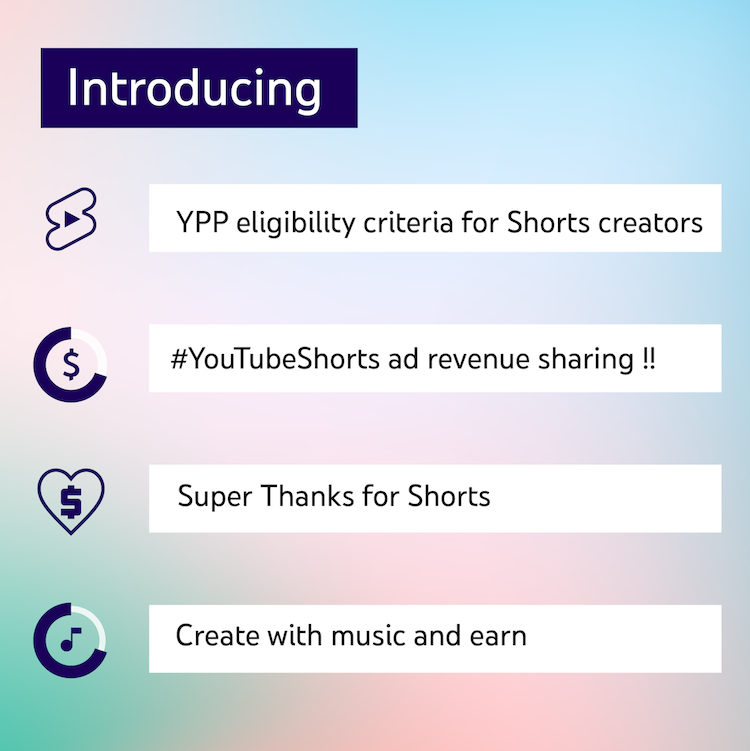 YouTube Shorts payments are determined by a combination of watch time, engagement metrics, and viewer location, with revenue distributed through two primary channels: the YouTube Shorts Fund and ad revenue from Shorts. Below are the critical factors influencing payouts:
Table of Contents
- Understanding YouTube Shorts Creator Payments: The Basics
- Differentiating YouTube Shorts from Traditional YouTube Content
- YouTube Partner Program (YPP) Requirements for Shorts Creators
- Calculation of YouTube Shorts Payments: Key Factors
- Comparison of YouTube Shorts Payments vs. Traditional AdSense Earnings
- Role of the YouTube Shorts Fund: Purpose and Funding
- Eligibility Requirements for YouTube Shorts Monetization
- Subscriber Count and Regional Variations for Monetization Access
- Step-by-Step Guide to Enabling Monetization for Shorts in YouTube Studio
- Watch Time Requirements and Optimization Strategies
- Engagement Metrics Evaluated for Shorts Monetization
- Technical Specifications for Eligible Shorts
- Step-by-Step Process to Apply for YouTube Shorts Creator Payments
- Joining the YouTube Partner Program as a Prerequisite
- Submitting Shorts for Monetization Review
- Resolving Common Issues During the Application Process
- Timeline for Approval and Factors Affecting Delays
- Optimizing Shorts for Maximum Payment Potential
- Editing Techniques to Maximize Watch Time and Retention
- Leveraging Trending Audio, Hashtags, and SEO for Discoverability
- Analyzing Shorts Performance Data in YouTube Studio
- Comparative Performance Metrics of Top-Performing Shorts
- Payment Methods, Payouts, and Financial Management for YouTube Shorts Creators
- Available Payment Methods and Their Pros and Cons
- Setting Up and Managing Payout Preferences in YouTube Studio
- How YouTube Calculates Shorts Payouts: Revenue Share and Regional Factors
- Payout Timeline and Factors Affecting First Payments
- Tracking Earnings with YouTube’s Payout Reports and Reconciling Discrepancies
- Payout Thresholds: Shorts vs. Traditional YouTube Content
Revenue Share Breakdown:
YouTube Shorts Fund: A fixed pool of funds allocated monthly, distributed based on performance metrics. Payments are not tied to ad revenue but rather to the creator’s share of total Shorts views and engagement. Ad Revenue: Earned from ads shown alongside Shorts in the feed or search results. Payouts vary by region, with creators in high-ad-spend markets (e.g., the U.S., UK, Canada) earning more per view.
Watch Time and Retention: Shorts payments prioritize average view duration and completion rates. YouTube’s algorithm favors Shorts with higher retention percentages (e.g., videos where 70%+ of viewers watch until the end). Creators should aim for watch time consistency, as sporadic spikes in views without retention may not translate to significant earnings. Engagement and Shares: Likes, comments, shares, and saves contribute to a Short’s engagement score, indirectly influencing monetization potential. While not directly tied to payouts, high engagement signals YouTube’s algorithm to promote the Short further, increasing ad exposure and potential earnings. Viewer Location: Payouts are heavily influenced by ad rates in the viewer’s country. Creators with audiences in high-ad-revenue markets (e.g., U.S., Germany, Australia) earn more per view compared to regions with lower ad spend. For example, a Short viewed in the U.S. may generate $0.01–$0.05 per 1,000 views, while the same Short in India might yield $0.001–$0.005.
Comparison of YouTube Shorts Payments vs. Traditional AdSense Earnings
The payout structures for Shorts and long-form content differ significantly in terms of revenue generation, ad formats, and payment thresholds. Below is a comparative table highlighting these distinctions:
| Factor | YouTube Shorts Monetization | Traditional YouTube AdSense |
|---|---|---|
| Primary Revenue Source | YouTube Shorts Fund + Ad revenue from Shorts feed | Pre-roll, mid-roll, and display ads on long-form videos |
| Minimum Requirements | 1,000 subs + 4,000 watch hours OR 10M Shorts views (past 12 months) | 1,000 subs + 4,000 watch hours (past 12 months) |
| Payment Frequency | Monthly (via AdSense, combined with other revenue) | Monthly (via AdSense) |
| Ad Revenue per View | $0.01–$0.05 (varies by country; Shorts Fund supplements this) | $1–$10+ (varies by ad type, CPM, and viewer demographics) |
| Key Performance Metrics | Watch time, retention, shares, and Shorts views | Watch hours, CTR, RPM (Revenue per 1,000 plays) |
| Ad Placement | Ads in Shorts feed or search results | Pre-roll, mid-roll, overlay ads in videos |
| Additional Monetization Features | YouTube Shorts Fund, Super Thanks, Channel Memberships (if eligible) | Super Chats, Merchandise Shelf, Memberships, Sponsorships |
Key Insight: While traditional AdSense can yield higher earnings per view for high-performing long-form content, Shorts monetization offers lower per-view payouts but greater scalability due to the platform’s emphasis on volume and virality. Creators with high Shorts view counts (e.g., 100M+ monthly views) may earn comparably to long-form creators, but the path to profitability differs.
Role of the YouTube Shorts Fund: Purpose and Funding
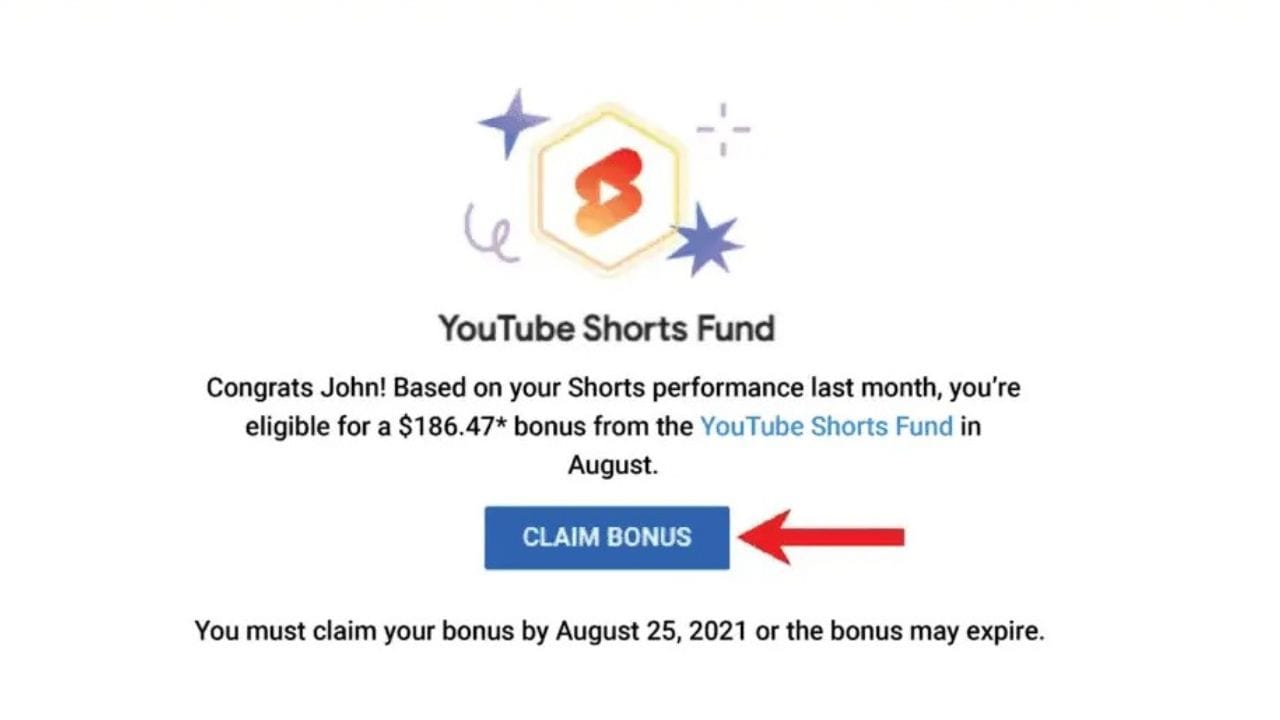
The YouTube Shorts Fund is a dedicated financial pool established to reward creators for producing short-form content, independent of ad revenue. Launched in 2021, the fund aims to incentivize creators to migrate to Shorts while providing an additional income stream. Key aspects include:
Funding Source:
Allocated from YouTube’s internal budget, not derived from ad revenue. Distributed monthly to eligible creators based on performance metrics.
Eligibility and Distribution:
Eligibility Requirements for YouTube Shorts Monetization
YouTube Shorts monetization represents a direct revenue stream for creators who consistently produce engaging, high-quality vertical videos. Unlike traditional YouTube content, Shorts monetization operates under distinct eligibility criteria, blending subscriber thresholds, watch time benchmarks, and technical specifications. Meeting these requirements ensures creators qualify for payments through the YouTube Shorts Fund or ad revenue sharing, depending on their region and channel status. Below is a detailed breakdown of the key eligibility requirements, structured to guide creators through the process of enabling monetization while optimizing for performance.
Subscriber Count and Regional Variations for Monetization Access
The minimum subscriber count required to access YouTube Shorts monetization varies by region, with 1,000 subscribers serving as the baseline in most markets. However, creators in India, Brazil, Mexico, and Nigeria must reach 10,000 subscribers to qualify for monetization via the Shorts Fund, reflecting regional differences in creator ecosystems and ad revenue distribution. These thresholds apply to channels that have enabled monetization for their traditional content, as Shorts monetization is not standalone but integrated with existing YouTube Partner Program (YPP) eligibility. For channels under 1,000 subscribers, participation in the YouTube Shorts Fund remains an option, though payments are distributed based on performance metrics rather than ad revenue. The fund operates as a $100 million annual pool (as of 2023), with payouts determined by watch time, engagement, and views. Creators must ensure their channel adheres to Community Guidelines and monetization policies to avoid disqualification.
Step-by-Step Guide to Enabling Monetization for Shorts in YouTube Studio
Enabling monetization for Shorts requires creators to verify their channel’s eligibility for the YouTube Partner Program (YPP) and ensure compliance with Shorts-specific policies. Below is a structured guide with descriptions of each step, including key actions in YouTube Studio: 1. Verify YPP Eligibility
2. Enable Shorts Monetization
3. Configure Ad Settings for Shorts
4. Submit for Review (If Required)
Visual Reference for YouTube Studio Navigation:
Watch Time Requirements and Optimization Strategies
Watch time is a critical metric for Shorts monetization, with YouTube prioritizing creators who retain viewers for longer durations. The platform evaluates average watch time per Short, with a minimum benchmark of 30% viewer retention (or higher, depending on algorithm updates). To optimize for watch time:
Key Formula for Watch Time Optimization:
Retention Rate (%) = (Average Watch Time / Total Short Length) × 100
Creators should aim for retention rates above 50% for consistent monetization eligibility.
Engagement Metrics Evaluated for Shorts Monetization
YouTube’s algorithm assesses multiple engagement signals to determine Shorts monetization eligibility, including:
To improve these metrics:
Example Engagement Benchmarks for Monetization:
| Metric | Minimum Threshold for Consideration |
|---|---|
| Like Rate | 3–5% of total views |
| Share Rate | 0.5–1% of total views |
| Comment Rate | 1–2% of total views |
| Save Rate | 1–3% of total views |
Technical Specifications for Eligible Shorts
Shorts must adhere to strict technical requirements to qualify for monetization. Key specifications include:
Prohibited Elements:
Comparison Table: Shorts vs. Traditional YouTube Content Requirements
| Criteria | YouTube Shorts | Traditional YouTube Content |
|---|---|---|
| Minimum Subscribers | 1,000 (or 10,000 in select regions) | 1,000 |
| Watch Time | 30%+ retention per Short | 4,000 hours in 12 months |
Step-by-Step Process to Apply for YouTube Shorts Creator Payments
Navigating the application process for YouTube Shorts monetization requires adherence to structured steps, from joining the YouTube Partner Program (YPP) to submitting compliant Shorts for review. Creators must understand each phase—from eligibility verification to policy compliance—to maximize their chances of approval. This process involves technical, creative, and administrative considerations, including leveraging YouTube’s Policy Manager tool to preemptively address potential issues. Below is a detailed breakdown of the submission workflow, common challenges, and best practices to streamline approval while avoiding delays or rejections.
Joining the YouTube Partner Program as a Prerequisite
To qualify for YouTube Shorts payments, creators must first be accepted into the YouTube Partner Program (YPP), which serves as the gateway to monetization across all YouTube content, including Shorts. The YPP requires creators to meet specific criteria, such as:
Key Consideration: Shorts monetization is not a standalone program; it operates under the broader YPP framework. Creators must ensure their entire channel, including existing long-form content, complies with policies to avoid disqualification. For example, channels with repeated copyright strikes or community guideline violations may face monetization holds even if Shorts individually meet criteria.
Submitting Shorts for Monetization Review
Once enrolled in the YPP, creators can submit their Shorts for monetization review through YouTube Studio. The submission process involves tagging eligible Shorts and ensuring they meet technical and policy requirements. Below are the steps and best practices: Step 1: Tagging Shorts for Review
Step 2: Ensuring Compliance with YouTube’s Policies To avoid rejection, Shorts must comply with the following monetization-specific policies:
Best Practices for Submission:
Resolving Common Issues During the Application Process
Monetization holds or rejections are common but can often be resolved with targeted actions. Below are frequent issues and their solutions:
| Issue | Cause | Solution |
|---|---|---|
| Shorts Rejected for Copyright | Unlicensed music, footage, or third-party content without permission. | Replace audio with YouTube’s Audio Library tracks or obtain proper licensing. Use the Copyright Claim Tool to dispute false claims if applicable. |
| Monetization Hold on Channel | Past policy violations (e.g., copyright strikes, community guideline strikes). | Review YouTube’s strike history in Studio and appeal if errors exist. Avoid re-uploading similar content until the hold is lifted. |
| Shorts Not Eligible for Payments | Low engagement, age-restricted content, or non-compliant metadata. | Edit Shorts to meet policy requirements, improve watch time, and ensure public visibility. Re-submit after changes. |
| AdSense Account Issues | Unverified tax info, incorrect payment address, or regional restrictions. | Complete AdSense verification in YouTube Studio under Settings > Channel > AdSense. Ensure the linked bank account supports international transfers if applicable. |
| Delayed Approval | High review volume, policy violations in other Shorts, or algorithmic filters. | Submit additional compliant Shorts to demonstrate consistency. Monitor YouTube’s Partner Program updates for policy changes. |
Example Scenario: A creator’s Short is rejected due to unlicensed audio. Instead of re-uploading with the same track, they: 1. Replace the audio with a royalty-free track from YouTube’s Audio Library. 2. Update the thumbnail and title to align with the new content. 3. Re-submit via the Policy Manager for pre-review. 4. Wait 3–5 business days for reassessment (YouTube’s typical review window).
Timeline for Approval and Factors Affecting Delays
YouTube’s review process for Shorts monetization typically follows this timeline:
Factors That May Delay Approval:
Flowchart Illustration (Text-Based): Start → [Check YPP Eligibility] → [Join YPP if Not Enrolled] ↓ [Submit 3–5 Compliant Shorts] → [Tag for Monetization in YouTube Studio] ↓ [Policy Manager Scan] → [If Issues Found] → [Edit & Resubmit] ↓ [YouTube Review (3–7 Days)] → [Approved] → [Enter Monetization Pool] ↓ [Wait for Payout (20th of Month)] → [Receive Payment via AdSense] ↓ [End] Decision Points:
Optimizing Shorts for Maximum Payment Potential
YouTube Shorts monetization hinges not only on meeting eligibility criteria but also on producing content that maximizes engagement, watch time, and discoverability. Creators who strategically optimize their Shorts—through editing techniques, trending audio, SEO practices, and data-driven adjustments—significantly increase their chances of higher payment potential. A well-structured Short retains viewers longer, triggers algorithmic favorability, and expands reach, directly influencing revenue share. Below are evidence-based strategies to refine Shorts for optimal performance, backed by YouTube’s algorithmic preferences and creator success case studies.
Editing Techniques to Maximize Watch Time and Retention
Watch time is the cornerstone of YouTube Shorts monetization, as the platform prioritizes content that keeps viewers engaged from start to finish. Research from YouTube’s internal analytics reveals that Shorts retaining at least 50% of viewers for the entire duration are more likely to be recommended in the Shorts feed. To achieve this, creators must employ editing techniques that align with viewer psychology and platform expectations. Key editing principles include:
"The first 3 seconds of a Short determine 80% of retention rates. Prioritize visual impact over verbal explanations in this window."
Leveraging Trending Audio, Hashtags, and SEO for Discoverability
YouTube’s algorithm surfaces Shorts based on audio trends, hashtag relevance, and searchability. Creators who align their content with these factors benefit from organic reach expansion, which correlates with higher monetization potential. Data from YouTube’s Shorts Playbook (2023) shows that Shorts using trending audio receive 4x more views than those with original tracks. Strategies to enhance discoverability include:
Analyzing Shorts Performance Data in YouTube Studio
Data-driven optimization is the difference between occasional monetization and sustained revenue growth. YouTube Studio provides key metrics (e.g., Average View Duration, Click-Through Rate (CTR), Shares) that creators must track to refine their strategy. Below are actionable insights derived from YouTube’s Shorts Analytics Dashboard:
Comparative Performance Metrics of Top-Performing Shorts
Below is a performance benchmark table comparing high-monetizing Shorts across niches, based on publicly available data (e.g., YouTube Studio screenshots shared by creators, social media posts, and third-party tools like Social Blade).| Creator | Niche | Short Title | Views | Avg. Watch Time | Likes | Shares | Estimated Earnings (USD) | Key Success Factor |
|---|---|---|---|---|---|---|---|---|
| MrBeast (Team) | Challenges/Gaming | "Try Not to Laugh Challenge" | 120M+ | 98% retention | 12M | 8M | ~$18,000–$30,000 | High-energy editing, viral audio |
| Emma Chamberlain | Lifestyle |
Payment Methods, Payouts, and Financial Management for YouTube Shorts Creators
YouTube Shorts Creator Payments offer creators a new revenue stream, but navigating payout structures, financial management, and payment methods can be complex. Understanding how YouTube processes earnings, the available payment options, and strategies for optimizing earnings ensures creators maximize their income while maintaining financial stability. This section explores the mechanics behind Shorts payouts—from payment methods and payout calculations to financial planning—equipping creators with actionable insights to streamline their earnings process.Available Payment Methods and Their Pros and Cons
YouTube provides multiple payment methods for Shorts creators, each with distinct advantages and limitations. Selecting the right option depends on factors such as location, transaction fees, and processing speed. Creators can choose between direct deposit (ACH), wire transfer, and paper checks, with availability varying by country. Direct deposit remains the most popular method, offering instant access to funds (typically within 2–5 business days after payout processing) and zero transaction fees. It is ideal for creators in the U.S., Canada, the U.K., and select European countries. Wire transfers, while faster internationally, incur higher fees (1.5%–3%) and may take 3–7 business days for processing. Paper checks, though slower (delivered via mail in 7–10 business days), eliminate transaction costs but are less secure and prone to delays. Key considerations for creators:Setting Up and Managing Payout Preferences in YouTube Studio
Configuring payout preferences in YouTube Studio is a straightforward process, but accuracy is critical to avoid delays or lost earnings. Creators must provide valid banking details, including routing numbers (for direct deposit) or IBAN/SWIFT codes (for wire transfers). Updates to payment information can be made at any time, though changes may take up to 5 business days to reflect in the system. Step-by-step instructions for setup: 1. Access Payout Settings: Navigate to YouTube Studio > Earnings > Payouts > Manage Payout Method. 2. Enter Banking Details: For direct deposit, input the account holder’s name, bank name, routing number, and account number. For wire transfers, include the beneficiary’s name, bank address, SWIFT/BIC code, and account number. 3. Verify Information: YouTube may require documentation (e.g., voided checks or bank statements) to confirm details. 4. Save and Confirm: Submit the form and wait for a confirmation email before proceeding. Pro Tip: Use YouTube’s payout preview tool to validate details before submission. Discrepancies, such as mismatched account names, can trigger automatic rejections.How YouTube Calculates Shorts Payouts: Revenue Share and Regional Factors
YouTube Shorts payouts are determined by a 50/50 revenue share model, where creators receive 50% of the advertising revenue generated from their Shorts. Unlike traditional YouTube content, Shorts earnings are calculated based on watch time, engagement metrics, and advertiser demand rather than CPM (cost per thousand impressions). Revenue is also influenced by currency conversion rates and regional ad market fluctuations. Key components of payout calculation:Payout Timeline and Factors Affecting First Payments
Creators must meet minimum earnings thresholds and eligibility criteria before receiving payouts. The timeline for the first payment typically spans 1–3 months after joining the Shorts Fund, depending on revenue accumulation and processing cycles. YouTube processes payouts monthly, with funds disbursed on specific dates (e.g., the 21st of each month for direct deposits in the U.S.). Factors influencing payout delays:Tracking Earnings with YouTube’s Payout Reports and Reconciling Discrepancies
YouTube Studio provides detailed payout reports under the Earnings tab, allowing creators to monitor monthly revenue, estimated payouts, and payment history. These reports break down earnings by Short, watch time, and revenue source, offering transparency into financial performance. How to access and interpret payout reports: 1. Navigate to Reports: Go to YouTube Studio > Earnings > Payout Reports. 2. Review Breakdown: The report displays:| Short Title | Views | Watch Time (mins) | Estimated Revenue (USD) | Your Share (USD) | Status |
|---|---|---|---|---|---|
| "Trending Dance Hack" | 500,000 | 1,200,000 | $450.00 | $225.00 | Processed |
Payout Thresholds: Shorts vs. Traditional YouTube Content
While Shorts and traditional YouTube content share similar monetization structures, key differences exist in thresholds, revenue models, and payout frequencies. Below is a comparative table outlining eligibility requirements and strategies to meet them efficiently.| Criteria | YouTube Shorts | Traditional YouTube Content (YPP) |
|---|---|---|
| Minimum Earnings Threshold | $100 (or local equivalent) per month. | $100 (or local equivalent) per month. |
| Revenue Share |
Monetizing YouTube Shorts is not just about meeting technical requirements; it’s a strategic blend of content optimization, audience engagement, and financial foresight. From tracking performance metrics in YouTube Studio to understanding payout timelines and tax implications, creators must approach Shorts monetization with both creativity and precision. By aligning content with viewer preferences while adhering to YouTube’s evolving policies, creators can unlock a steady revenue stream—one Short at a time. The path to earnings begins with eligibility, but long-term success hinges on adaptability and a data-driven approach to growth.
Leave a Comment
Comments are moderated before appearing. The data you submit is processed according to the Privacy Policy of Holo.