What Happened At Cornell University 2026 Sparks Unprecedented Campus Turmoil
Cornell University’s quiet Ivy League prestige faced its most intense test in 2026 when a cascade of protests erupted over AI-driven admissions policies, igniting a conflict that exposed deep fractures within academia. What began as student-led demonstrations against algorithmic bias in enrollment quickly escalated into a full-blown crisis, drawing national media scrutiny and forcing the university to confront long-simmering tensions over free speech, equity, and institutional accountability.
The 2026 unrest was not an isolated event but the culmination of decades of activism, from the 1969 Black Student Protests to the 2015 racial bias demonstrations that reshaped Cornell’s policies. As technology reshaped higher education—with AI admissions and surveillance tools sparking backlash—the university’s handling of the crisis became a litmus test for how elite institutions navigate the demands of a new generation. The question now is whether Cornell’s response will set a precedent for reform or deepen divisions in an already polarized era.

Cornell University’s Historical Foundations and Legacy of Controversy
Founded in 1865 by Ezra Cornell and Andrew Dickson White, Cornell University emerged from a vision of democratized higher education, blending land-grant institution principles with Ivy League prestige. Its founding charter emphasized "any person may attend"—a radical departure from elite universities that excluded women, racial minorities, and working-class students. This dual identity as both a public and private institution positioned Cornell as a pioneer in academic innovation, from the first coeducational admissions to groundbreaking research in agriculture, engineering, and the humanities. Yet, its progressive ideals clashed repeatedly with societal inequalities, sparking protests, legal battles, and administrative upheavals that reshaped its policies on free speech, diversity, and institutional accountability. These conflicts reveal Cornell’s evolving role as a microcosm of broader American debates on education, activism, and social justice. The university’s historical significance extends beyond its academic achievements. Cornell’s land-grant mission—mandated by the Morrill Act of 1862—required it to provide practical education in agriculture and mechanics, a mandate that still influences its College of Agriculture and Life Sciences today. Simultaneously, its Ivy League affiliation granted it access to elite networks, funding, and cultural capital, creating a tension between its democratic origins and elitist realities. This duality manifested in its early admissions policies, which, despite Ezra Cornell’s inclusive rhetoric, initially excluded Black students until 1873 and only admitted the first Black undergraduate, Charles Milford, in 1886. Such contradictions set the stage for future conflicts, where Cornell’s progressive facade often collided with systemic barriers.
Founding Principles and Early Controversies
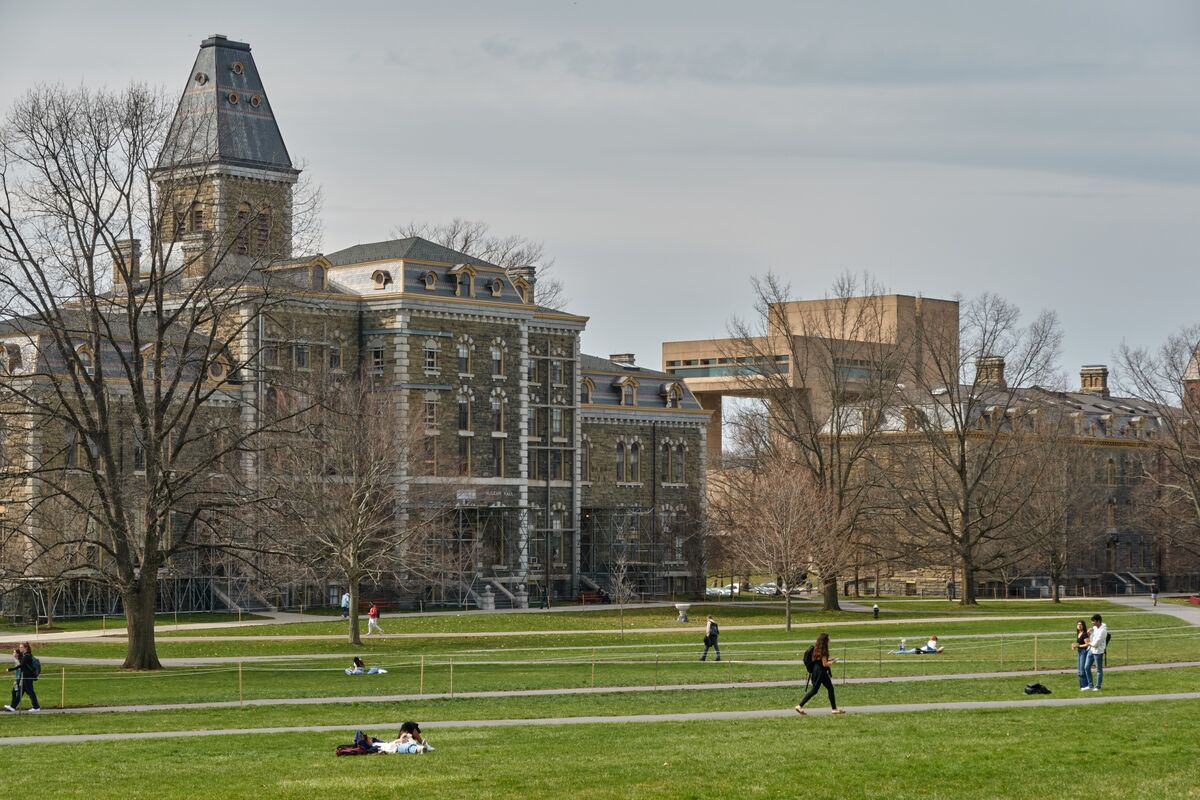 Cornell’s founding principles were rooted in utilitarianism and egalitarianism, as articulated in its motto: "I would found an institution where any person can find instruction in any study." However, this ideal was undermined by practical constraints. The university’s early years were marked by financial struggles, reliance on wealthy alumni, and resistance to radical reforms. One of the first major controversies arose in 1870, when the Cornell Faculty Club—originally segregated by race—became a flashpoint for debates over exclusionary practices. While the university officially opposed racial discrimination, social norms and alumni influence delayed meaningful change until the 1960s.
Another early dispute involved gender equity. Though Cornell admitted women from its inception, they were restricted to the Home Economics and Arts programs, with men dominating science and engineering. The first female graduate, Mary Wooley, earned a degree in 1872, but systemic barriers persisted. In 1894, a group of female students protested the lack of coeducational dormitories, leading to the construction of Risley Hall, Cornell’s first women’s residence. These early struggles laid the groundwork for later activism, demonstrating how Cornell’s progressive rhetoric often lagged behind its actions.
Cornell’s founding principles were rooted in utilitarianism and egalitarianism, as articulated in its motto: "I would found an institution where any person can find instruction in any study." However, this ideal was undermined by practical constraints. The university’s early years were marked by financial struggles, reliance on wealthy alumni, and resistance to radical reforms. One of the first major controversies arose in 1870, when the Cornell Faculty Club—originally segregated by race—became a flashpoint for debates over exclusionary practices. While the university officially opposed racial discrimination, social norms and alumni influence delayed meaningful change until the 1960s.
Another early dispute involved gender equity. Though Cornell admitted women from its inception, they were restricted to the Home Economics and Arts programs, with men dominating science and engineering. The first female graduate, Mary Wooley, earned a degree in 1872, but systemic barriers persisted. In 1894, a group of female students protested the lack of coeducational dormitories, leading to the construction of Risley Hall, Cornell’s first women’s residence. These early struggles laid the groundwork for later activism, demonstrating how Cornell’s progressive rhetoric often lagged behind its actions.
Chronological Timeline of Major Incidents at Cornell
Cornell’s history is punctuated by incidents that reflect broader societal shifts, from the Civil Rights Movement to the rise of identity politics. Below is a curated timeline of pivotal events, categorized by themes of racial justice, LGBTQ+ rights, free speech, and administrative accountability:
-
1969: Black Student Protest and the Demands for a Black Studies Program
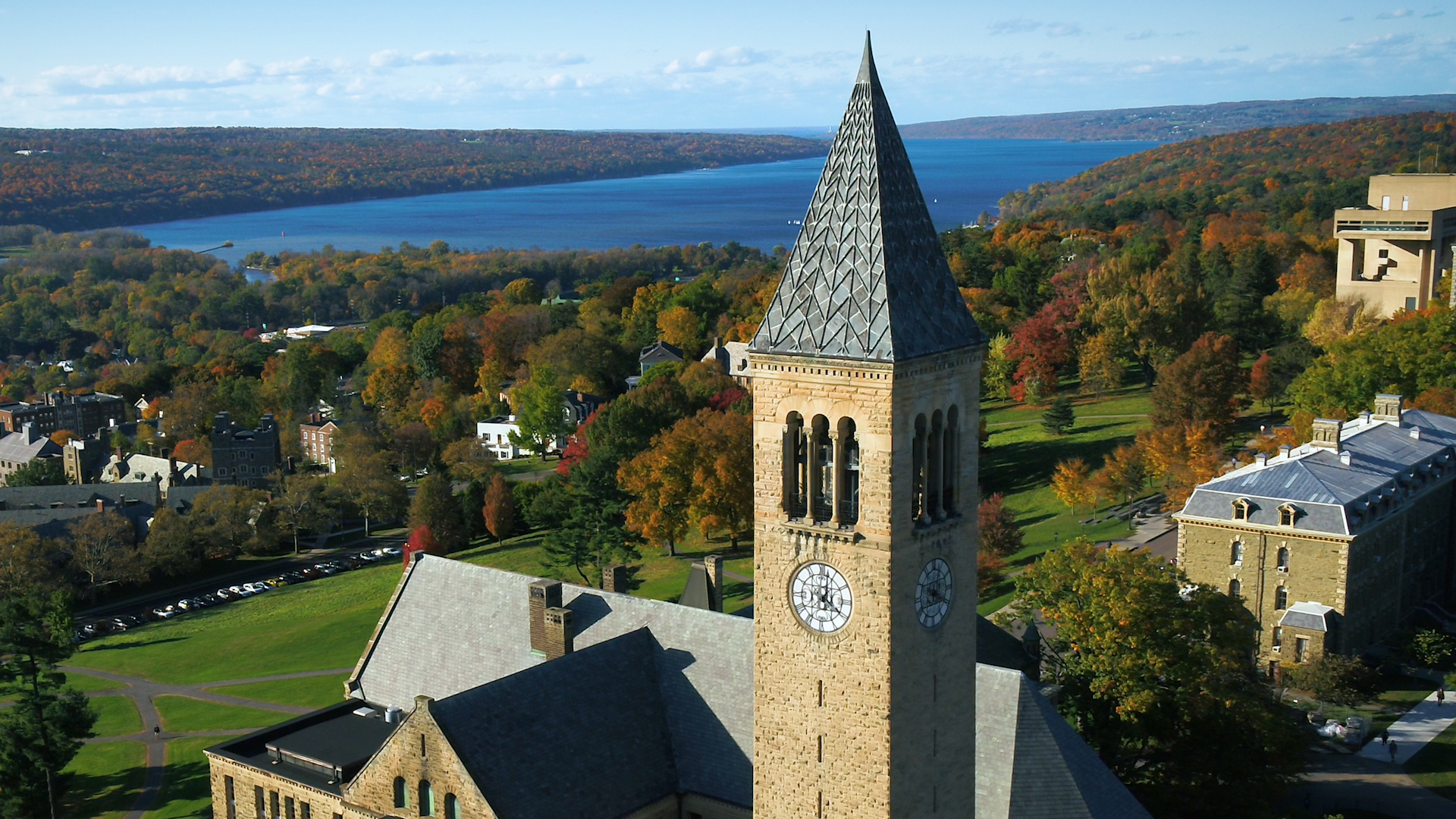
Triggered by the assassination of Martin Luther King Jr. and Cornell’s slow response to racial discrimination, Black students occupied Willard Straight Hall for six days. They demanded a Black Studies Department, increased enrollment of Black students, and the removal of Robert H. Williams, a faculty member accused of racial insensitivity.
- Key Stakeholders: Black Student Union (BSU), Cornell faculty, President James Perkins, and local police.
- University Response: Initially dismissive, but after negotiations, Cornell established the African and African-American Studies Department in 1970—the first of its kind at an Ivy League school.
- Outcome: The protest forced Cornell to confront its racial inequities, leading to affirmative action policies and increased diversity initiatives. However, tensions persisted, as seen in later protests over racial bias in admissions and hiring.
-
1989: The "Cornell Nine" and the First Major LGBTQ+ Protest
Nine LGBTQ+ students and allies occupied Ho Plaza for three days, demanding the university recognize a Gay and Lesbian Studies Program, provide safer housing for queer students, and address anti-LGBTQ+ harassment. This protest coincided with the Stonewall anniversary and the HIV/AIDS crisis, amplifying calls for institutional support.
- Key Stakeholders: Gay and Lesbian Student Union (GLSU), President Frank Rhodes, and the Cornell Health Services (which initially refused to acknowledge LGBTQ+ health concerns).
- University Response: President Rhodes met with protesters but initially resisted formal recognition. However, after national media coverage, Cornell created the Program in LGBT Studies in 1991 and established a queer resource center in 1994.
- Outcome: The protest accelerated LGBTQ+ visibility on campus, leading to non-discrimination protections and annual Pride events. Yet, debates over transgender inclusion and safe spaces continued into the 2010s.
-
2015: "Black Lives Matter" Protests and the Demands for Police Reform
Sparked by the shooting of Michael Brown in Ferguson and Cornell’s lack of diversity in leadership, students organized week-long protests, including a die-in at Willard Straight Hall and a demand for the resignation of President David Skorton. Protesters also called for the demilitarization of campus police and the establishment of a Black Cultural Center.
- Key Stakeholders: Cornell United Black Students (CUBS), Black Student Union, President Skorton, and the Ithaca Police Department (which faced accusations of racial profiling).
- University Response: Skorton initially resisted demands but later formed a Task Force on Racial Bias and committed to increased funding for diversity initiatives. The Black Cultural Center was expanded in 2017.
- Outcome: The protests led to policy changes in campus policing, including de-escalation training for officers. However, critics argued that progress was too slow, particularly in tenure-track diversity hiring.
-
2017: The "Cornell Free Speech Controversy" and the Alt-Right Protest
After Richard Spencer, a white nationalist, was disinvited from a campus speech, conservative groups accused Cornell of suppressing free speech. In response, the College Republicans organized a counter-protest, leading to clashes with antifa activists. The university condemned violence but reaffirmed its commitment to free expression.
- Key Stakeholders: College Republicans, antifa protesters, President Martha Pollack, and the Cornell Police.
- University Response: Pollack issued a statement supporting free speech but condemning hate speech, leading to debates over campus safety protocols.
- Outcome: Cornell revised its free speech policies, emphasizing balanced dialogue while maintaining hate speech restrictions. The incident highlighted tensions between academic freedom and safety concerns.
Comparative Analysis of Three Major Past Incidents
The following table contrasts three defining moments in Cornell’s history, illustrating how each incident shaped institutional policies and student activism. The events were selected for their impact on diversity, free speech, and administrative accountability:
Table of Contents
- Cornell University’s Historical Foundations and Legacy of Controversy
- Founding Principles and Early Controversies
- Chronological Timeline of Major Incidents at Cornell
- Comparative Analysis of Three Major Past Incidents
- Speculative Analysis: Potential Triggers for a 2026 Incident at Cornell University
- Five Emerging Social and Political Issues Likely to Spark Unrest at Cornell by 2026
- Technological Advancements as Catalysts for Friction
- Cornell’s Free Speech vs. Safety Stance: A Comparative Analysis with Ivy League Precedents
- Deep Dive: Key Players and Their Roles in a 2026 Cornell University Incident
- Primary Stakeholders and Their Institutional Roles
- Hypothetical Influential Figures in a 2026 Cornell Crisis
- Power Dynamics Between Stakeholders: A Comparative Analysis
| Year and Trigger | Key Stakeholders Involved | University Response | Outcome and Long-Term Impact | |||||||||||
|---|---|---|---|---|---|---|---|---|---|---|---|---|---|---|
1969: Black Student Protest
|
|
| Stakeholder | Influence Level (1-5) | Likely Alliances | Potential Conflicts of Interest | Media Strategy |
|---|---|---|---|---|
| Student Bodies (Activist Collectives) | 4 (High, but volatile) | Faculty unions (AAUP), progressive alumni, ACLU | Clashes with conservative trustees over free speech; reliance on viral campaigns may alienate moderate donors. | Leverages TikTok/Instagram for real-time protests; partners with independent media (e.g., The Young Turks) to bypass university PR. |
| Faculty Unions (AAUP) | 3 (Moderate, but legally protected) | Tenured faculty, student leaders, labor
The 2026 Cornell crisis revealed how quickly a single policy decision could ignite systemic tensions, forcing the university to reckon with its legacy of activism and innovation. From student-led boycotts to faculty walkouts and legal battles over free speech, the fallout demonstrated that modern higher education operates at the intersection of progress and protest. As Cornell moves forward, the lessons from this turmoil will determine whether elite institutions can adapt—or risk becoming relics of a bygone era where tradition outweighed change. |
Leave a Comment
Comments are moderated before appearing. The data you submit is processed according to the Privacy Policy of Holo.