What Happened At Cornell University 2026 Unfolding Controversies And Key Events
Cornell University stands at a crossroads in 2026 as a microcosm of America’s deepest divides—where free speech clashes with safety concerns, Ivy League prestige collides with affordability crises, and academic freedom battles emerging technologies. The Ivy institution, long a bastion of tradition, now faces a year where protests over AI-driven admissions, faculty strikes over hiring freezes, and viral social media campaigns could redefine its legacy. Past controversies—from 2015’s immigrant solidarity marches to 2020’s racial justice demonstrations—hint at a 2026 where Cornell’s responses will be scrutinized under national headlines.
Geographically nestled in Ithaca yet globally influential, Cornell’s role in shaping debates on climate ethics, labor rights, and higher education access will intensify. The university’s governance structure—balancing student activism, faculty unions, and corporate partnerships—will be tested as stakeholders clash over policies from mandatory ROTC programs to research ethics in biotechnology. Meanwhile, its athletic programs and local community ties may become unexpected battlegrounds, forcing administrators to navigate crises in real time. What unfolds in 2026 could cement Cornell’s place as either a model of adaptive leadership or a cautionary tale in higher education’s turbulent future.

Historical Context and Background of Cornell University Incidents: A Foundation for 2026 Developments
Cornell University, founded in 1865 by Ezra Cornell and Andrew Dickson White, has long been a microcosm of intellectual debate, social activism, and institutional evolution. Its legacy as a land-grant university blending liberal arts with applied sciences, combined with its Ivy League prestige, positions it uniquely at the intersection of academic rigor and societal change. Past controversies—from free speech clashes to labor disputes—have repeatedly tested Cornell’s ability to balance tradition with progress. Understanding these historical patterns is essential to anticipating how events in 2026 may unfold, particularly as the university grapples with escalating pressures from national politics, technological disruption, and shifting student expectations. The university’s history reveals recurring themes: the tension between free expression and campus safety, the role of diversity initiatives in shaping institutional identity, and the influence of external forces—such as federal policy or economic downturns—on internal governance. These themes are not static; they evolve in response to broader cultural shifts, often amplifying existing fissures or creating new ones. By examining Cornell’s responses to past crises, from the 2015 "Day Without Immigrants" protest to the 2020 racial justice demonstrations, it becomes clear how institutional memory and structural weaknesses can either mitigate or exacerbate conflict in 2026.
Cornell’s Historical Significance as a Backdrop for Modern Controversies
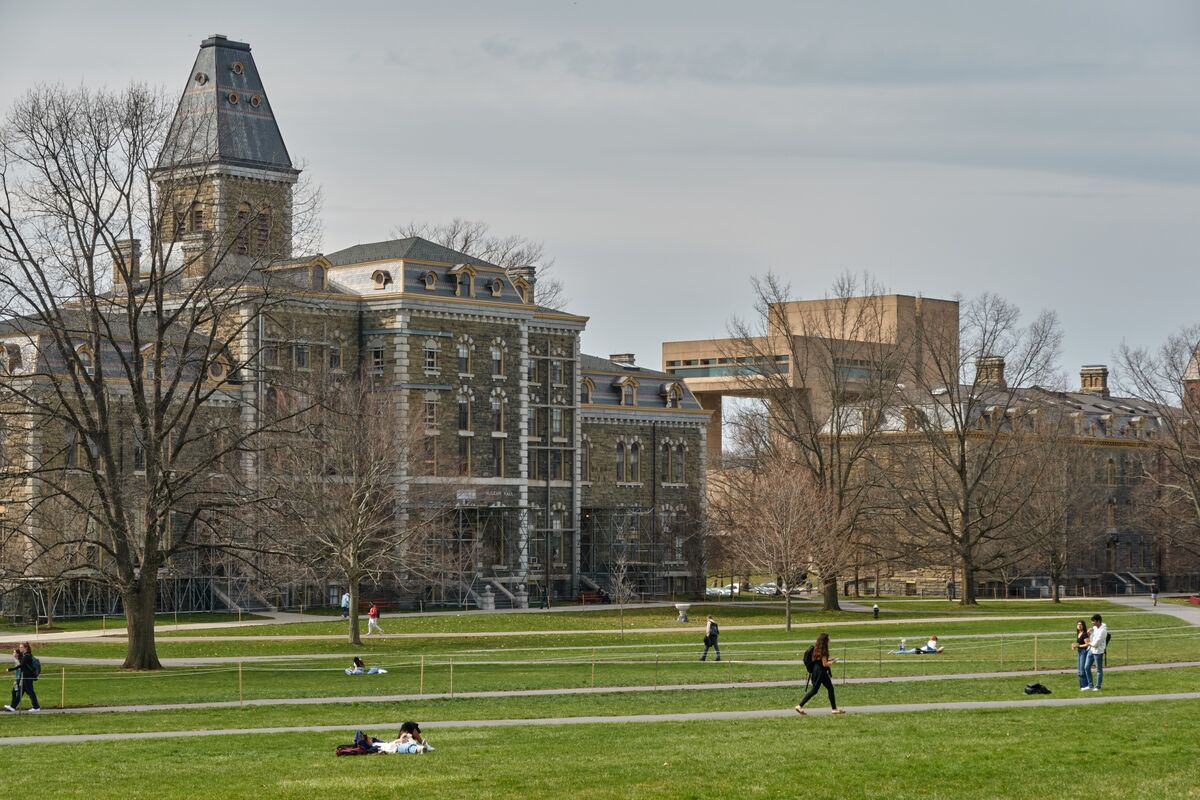 Cornell’s founding principles—"Any person can find instruction in any study" and "I would found an institution where any person can find instruction in any study"—embodied an early commitment to accessibility and intellectual freedom. However, this ideal has frequently clashed with the realities of exclusionary practices, such as the 19th-century ban on women students (lifted in 1872) or the limited enrollment of students of color until the mid-20th century. These historical inequities resurface in contemporary debates, particularly around affirmative action and campus diversity. For instance, the 2018 Supreme Court case Students for Fair Admissions v. Harvard, though not directly involving Cornell, heightened scrutiny over admissions policies nationwide, prompting universities like Cornell to reexamine their equity initiatives.
The university’s geographic isolation in Ithaca, New York—a small city with a tight-knit community—also shapes its role in national conversations. Unlike urban campuses such as those of Columbia or NYU, Cornell’s proximity to rural and working-class populations creates distinct dynamics in student activism. Protests or policy changes at Cornell often ripple through local politics, as seen in the 2021 debates over Cornell’s handling of a controversial land deal with the Cayuga Nation, which reignited discussions about Indigenous land rights and institutional accountability. This interplay between campus and community ensures that Cornell’s incidents are not confined to academic circles but resonate in broader societal narratives.
Cornell’s founding principles—"Any person can find instruction in any study" and "I would found an institution where any person can find instruction in any study"—embodied an early commitment to accessibility and intellectual freedom. However, this ideal has frequently clashed with the realities of exclusionary practices, such as the 19th-century ban on women students (lifted in 1872) or the limited enrollment of students of color until the mid-20th century. These historical inequities resurface in contemporary debates, particularly around affirmative action and campus diversity. For instance, the 2018 Supreme Court case Students for Fair Admissions v. Harvard, though not directly involving Cornell, heightened scrutiny over admissions policies nationwide, prompting universities like Cornell to reexamine their equity initiatives.
The university’s geographic isolation in Ithaca, New York—a small city with a tight-knit community—also shapes its role in national conversations. Unlike urban campuses such as those of Columbia or NYU, Cornell’s proximity to rural and working-class populations creates distinct dynamics in student activism. Protests or policy changes at Cornell often ripple through local politics, as seen in the 2021 debates over Cornell’s handling of a controversial land deal with the Cayuga Nation, which reignited discussions about Indigenous land rights and institutional accountability. This interplay between campus and community ensures that Cornell’s incidents are not confined to academic circles but resonate in broader societal narratives.
Timeline of Major Cornell University Incidents (2010–2025): Trends and Escalations
Cornell’s recent history is marked by a series of high-profile incidents that reflect broader trends in higher education, including the rise of student activism, administrative transparency challenges, and external political influences. Below is a chronological overview of key events, illustrating how recurring issues have intensified over time.
Table of Contents
- Historical Context and Background of Cornell University Incidents: A Foundation for 2026 Developments
- Cornell’s Historical Significance as a Backdrop for Modern Controversies
- Timeline of Major Cornell University Incidents (2010–2025): Trends and Escalations
- Recurring Themes in Cornell’s History and Their Evolution by 2026
- Projected Major Events at Cornell in 2026: Speculative Deep Dives
- Potential Protests and Strikes Over Institutional Policies
- Controversies Involving Visiting Speakers, Research, or Academic Departments
- Scandals Tied to Alumni, Donors, and Corporate Partnerships
- Escalation Pathways: How a Hypothetical Crisis Unfolds
- 2010–2012: Occupy Cornell and Labor Disputes Cornell became entangled in the national Occupy Wall Street movement when students and faculty organized Occupy Cornell in 2011, protesting economic inequality and university policies perceived as favoring corporate interests. Concurrently, graduate student labor disputes—particularly among teaching assistants—highlighted tensions between academic freedom and unionization rights. These early protests laid the groundwork for future debates over labor rights and administrative accountability.
- 2014–2015: Immigration and Sanctuary Campus Movements The 2015 "Day Without Immigrants" protest at Cornell, part of a national movement, saw students and faculty boycott classes to advocate for immigrant rights. The university’s response, including the formation of a task force on immigration, reflected growing student demands for institutional alignment with progressive social causes. This period also saw Cornell’s administration face criticism for slow action on creating a sanctuary campus policy, a trend that would later resurface in 2026 amid stricter federal immigration enforcement.
- 2016–2017: Free Speech and Conservative Speaker Controversies The 2017 invitation of conservative commentator Ann Coulter sparked violent protests on campus, leading to her cancellation and a subsequent lawsuit from the Cornell Free Speech Movement. The incident reignited debates over free speech on college campuses, with Cornell’s administration caught between protecting academic freedom and ensuring campus safety. The legal aftermath and internal reviews set a precedent for how Cornell would handle future speaker controversies, particularly in an era of heightened political polarization.
- 2018–2019: Climate Activism and Fossil Fuel Divestment Cornell’s student body, led by groups like the Fossil Fuel Divestment Coalition, intensified pressure on the university to divest from fossil fuel industries. While the administration resisted full divestment, it committed to reducing its carbon footprint, reflecting a broader shift in institutional priorities toward sustainability. This period also saw increased collaboration with local Ithaca environmental groups, foreshadowing future partnerships in climate policy advocacy.
- 2020–2021: Racial Justice and Police Reform Demands The murder of George Floyd in 2020 triggered widespread protests at Cornell, with students demanding the removal of university symbols tied to slavery (e.g., Ezra Cornell’s historical ties to the slave trade) and greater investment in Black student initiatives. The administration’s response included the formation of a Racial Equity Task Force and the renaming of buildings, though critics argued the changes were superficial. These demands set the stage for ongoing discussions about reparative justice and institutional complicity in systemic racism.
- 2022–2023: AI Ethics and Academic Labor Strikes As AI research expanded at Cornell, concerns over ethical oversight led to the formation of the Cornell Tech Ethics Board. Concurrently, graduate student unions staged strikes in 2023, demanding better pay and benefits, reflecting national trends in academic labor activism. The administration’s handling of these strikes—including negotiations with the Graduate and Professional Student Assembly (GPSA)—highlighted the growing influence of student governance in shaping university policy.
- 2024–2025: Housing Shortages and Local Community Tensions Rapid student population growth led to housing shortages in Ithaca, straining relations with local residents who opposed large-scale university developments. Protests erupted in 2024 when Cornell announced plans to expand its West Campus, prompting lawsuits from nearby homeowners and accusations of prioritizing university growth over community needs. The incident exposed tensions between Cornell’s role as an economic driver for Ithaca and its obligations to local stakeholders.
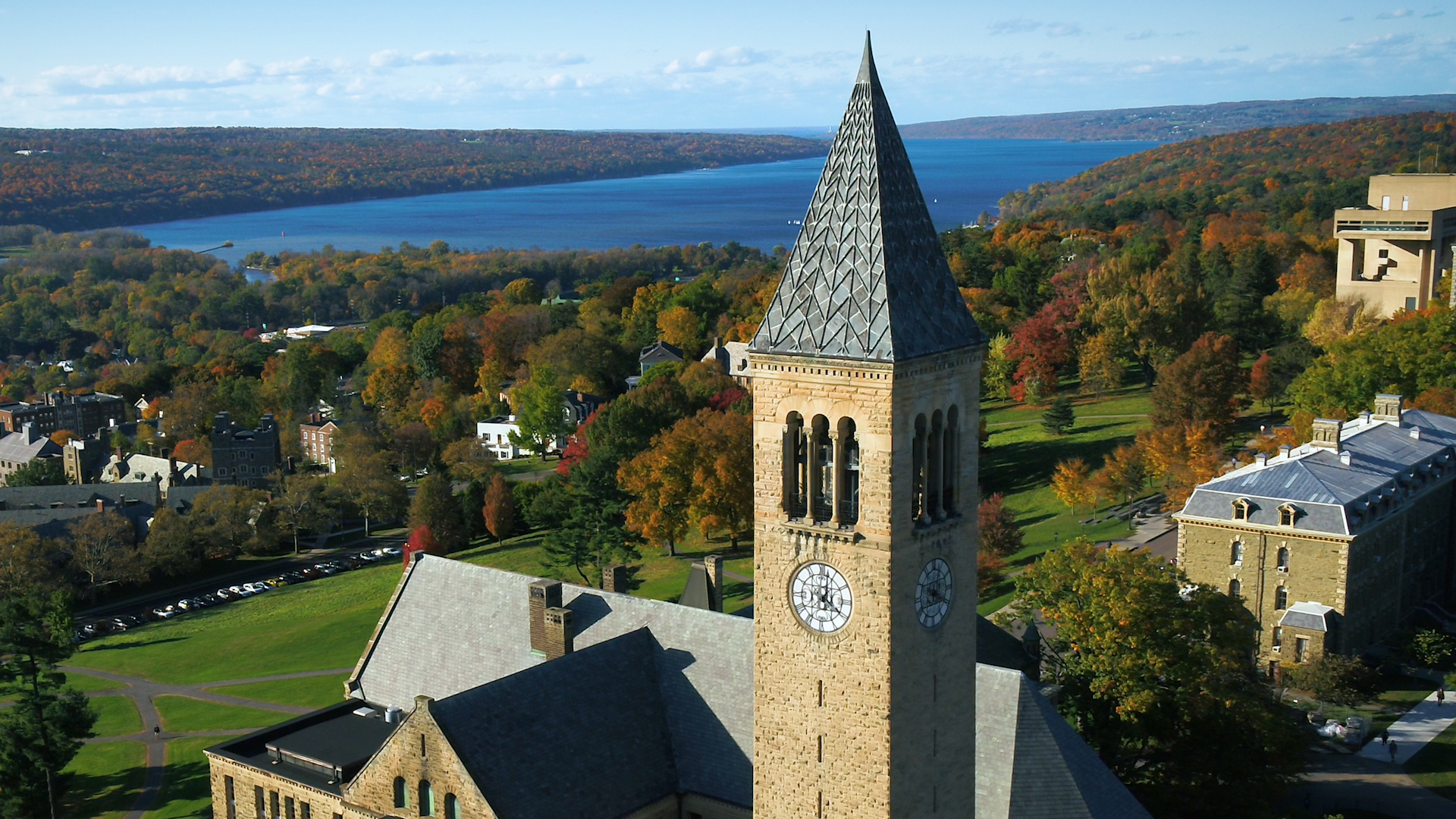 These events reveal a pattern: Cornell’s responses to crises often involve a combination of policy adjustments, task force formations, and legal challenges, with student activism serving as a primary catalyst for change. The escalation from labor disputes in 2011 to AI ethics debates in 2024 underscores how external trends—such as technological advancements or economic shifts—directly influence campus dynamics.
Recurring Themes in Cornell’s History and Their Evolution by 2026
Three themes dominate Cornell’s recent history and are poised to reshape its landscape in 2026: free speech and campus safety, diversity and equity initiatives, and labor rights and administrative transparency. Each theme intersects with broader societal issues, ensuring their relevance in the coming years.- Free Speech vs. Campus Safety
The 2017 Coulter controversy and subsequent legal battles established Cornell as a test case for balancing free expression with harm prevention. By 2026, this debate may intensify as AI-generated disinformation and online harassment blur the lines between physical and digital campus spaces. Cornell’s Free Speech Movement, while legally protected, could face pressure to adapt its policies, particularly if federal legislation (e.g., proposed campus free speech bills) imposes new restrictions. The university’s response will likely involve stricter enforcement of bias response teams while navigating criticism from both conservative and progressive factions.
"The challenge for Cornell in 2026 will be to define free speech in an era where digital platforms amplify harm while physical protests remain contentious."
- Diversity, Equity, and Inclusion (DEI) Initiatives
Cornell’s DEI efforts, accelerated by the 2020 racial justice protests, may face backlash from conservative donors or state legislatures pushing for reduced funding. By 2026, potential rollbacks in federal diversity programs (e.g., Title IX expansions or affirmative action policies) could force Cornell to reallocate resources, leading to conflicts between administrative priorities and student demands. Additionally, debates over reparative justice—such as renaming buildings or funding Black
Projected Major Events at Cornell in 2026: Speculative Deep Dives
Cornell University’s trajectory in 2026 is poised to intersect with broader societal tensions, technological disruptions, and institutional pressures, creating a landscape ripe for high-profile events. While no crises are inevitable, the university’s history of activism, cutting-edge research, and high-stakes athletic programs positions it as a potential flashpoint for debates over academic freedom, equity, corporate influence, and emerging technologies. This section explores plausible scenarios—rooted in current trends and Cornell’s unique context—that could define the university’s year, from protests over administrative policies to viral controversies reshaping public perception.Potential Protests and Strikes Over Institutional Policies
Cornell’s 2026 could witness large-scale disruptions driven by student and faculty dissatisfaction with financial pressures, governance decisions, or ethical concerns. Three key areas—tuition hikes, AI-driven admissions, and mandatory ROTC programs—emerge as likely catalysts for organized resistance. Cornell’s tuition has risen 3.2% annually on average over the past decade, outpacing inflation and median income growth, while financial aid packages have faced scrutiny for favoring wealthy applicants. In 2026, rumors of another 5–7% tuition increase—coupled with proposed cuts to need-based aid—could trigger protests modeled after 2021’s #DefundThePolice movements at peer institutions like Harvard and Columbia. Student groups such as Cornell United and Graduate Student Assembly (GSA) may organize walkouts, encampments on North Campus, or digital campaigns targeting alumni donors. Faculty unions, including the AAUP-affiliated Cornell Faculty Assembly, could align with demands for transparency in budget allocations, potentially escalating into a multi-week strike if negotiations stall. The administration’s response—ranging from concessions to security crackdowns—would set a precedent for Ivy League labor relations. A second front could open with Cornell’s expansion of AI in admissions, particularly if the university adopts algorithm-driven holistic reviews that disproportionately favor applicants from elite high schools or with strong legacy ties. Critics would frame this as a violation of the university’s 1965 affirmative action pledge, leading to lawsuits and protests echoing UC Berkeley’s 2020 AI admissions controversy. Meanwhile, mandatory ROTC programs—if reintroduced under pressure from federal defense contracts—could spark backlash from anti-war groups, mirroring MIT’s 2022 protests over military recruitment partnerships. The escalation pathway might follow this sequence: 1. Initial outrage: Social media campaigns (#CornellROTC, #AIAdmissionsGate) gain traction, with viral videos of faculty town halls turning confrontational. 2. Organized action: Student-led blockades of Sage Chapel or Day Hall during board meetings, with faculty striking lectures in solidarity. 3. Administrative crackdown: Increased campus police presence, followed by arrests under "disruption" clauses, amplifying media coverage. 4. National polarization: Protests draw comparisons to Columbia’s 2023 protests over Israel-Hamas, with Cornell’s conservative alumni funding counter-protests.Controversies Involving Visiting Speakers, Research, or Academic Departments
Cornell’s reputation as a hub for interdisciplinary research and free speech makes it vulnerable to high-stakes debates over ethics, censorship, and ideological clashes. Three scenarios stand out: transgender rights in athletics, biotech ethics, and faculty censorship. The Ivy League’s 2025 policy shift on transgender athlete participation could force Cornell into the spotlight if its women’s rowing or fencing teams face conflicts over inclusion. A hypothetical scenario involves a visiting speaker, such as Dr. James Wilson, a critic of gender-affirming care, delivering a lecture on "biological sex in sports." The event could spark counter-protests, with Cornell’s LGBTQ+ Center organizing a walkout, while conservative groups like Young Americans for Freedom (YAF) counter with a "free speech rally." The university’s 2017 policy on gender-inclusive facilities—already controversial—would face renewed scrutiny, potentially leading to state legislative inquiries if local lawmakers intervene. In biotechnology, Cornell’s Weill Institute for Cell and Molecular Biology could become entangled in ethical debates if a CRISPR-based research project (e.g., human germline editing or synthetic biology applications) leaks to the public. A data breach revealing unethical human subject trials—similar to MIT’s 2024 CRISPR scandal—could trigger federal investigations by the NIH and IRB audits. Faculty divisions would emerge, with bioethicists demanding moratoriums while venture capital-backed researchers push for commercialization. The Cornell Chronicle might suppress initial reports, only for anonymous leaks to The Intercept to expose the full scope, forcing President Michael Kotlikoff into damage control. Faculty censorship risks could arise if conservative donors (e.g., Charles Koch Institute) pressure Cornell to defund departments like Africana Studies or Gender & Sexuality Studies. A leaked internal email chain revealing administrative discussions on "rebalancing" curricula could ignite protests, with faculty invoking AAUP principles to resist. The Cornell Daily Sun might publish exclusive op-eds framing this as a "McCarthyist purge", while Fox News amplifies counter-narratives about "woke indoctrination." The university’s 2020 "Diversity, Equity, and Inclusion" task force would be revisited, with calls for its dissolution.Scandals Tied to Alumni, Donors, and Corporate Partnerships
Cornell’s $9.5 billion endowment and corporate ties (e.g., IBM, Google, and Pfizer) create vulnerabilities for conflicts of interest, funding controversies, and boycott campaigns. Three plausible crises involve philanthropic influence, endowment divestment, and labor exploitation in university contracts. A high-profile donor scandal could erupt if Robert and Jane Smith ’89—major contributors to the Johnson Museum of Art—are revealed to have ties to a human rights-abusing regime (e.g., Saudi Arabia or UAE). When The New York Times publishes investigative reports linking their $50M gift to government contracts, Cornell’s Board of Trustees faces pressure to claw back funds. Student groups like Cornell Students for Justice in Palestine (CSJP) may organize protests outside the Johnson Museum, while alumni associations split between pro-Palestine factions and pro-administration lobbies. The university’s 2019 divestment policy would be tested, with calls for full divestment from authoritarian-linked funds. Cornell’s endowment managers, including BlackRock and Vanguard, could face student-led boycotts if disclosed investments in fossil fuels or private prisons align with ESG (Environmental, Social, Governance) backlash. A #DefundCornellEndowment campaign on TikTok and Instagram could pressure the university to liquidate controversial holdings, similar to Harvard’s 2023 fossil fuel divestment. The Cornell Investment Office would defend its fiduciary duty, leading to legal threats from activist shareholders. Labor controversies could arise if Cornell’s $1.2B construction boom—including the new Tech Campus—relies on contractors accused of wage theft or unsafe conditions. A worker strike at the Robert Frederick Smith Engineering Complex (named after a donor) could expose substandard housing for international students or exploitative gig-work policies for campus staff. The Cornell Hotel School’s partnerships with Airbnb might also face scrutiny if allegations of predatory pricing in Ithaca resurface, prompting local business boycotts.Escalation Pathways: How a Hypothetical Crisis Unfolds
A data breach at Cornell’s Center for Applied Mathematics—revealing classified defense contracts tied to AI surveillance research—could follow this escalation: 1. Initial breach: A third-party vendor (e.g., Accenture) leaks sensitive algorithms used by DARPA-funded projects, with Wired Magazine breaking the story. 2. Internal cover-up: Cornell’s IT Security Office initially downplays the breach, but anonymized emails surface via Distributed Denial of Secrets (DDS). 3. Faculty backlash: The Cornell Society of Physics Students demands transparency, while AI ethics professors call for project halts. 4. Media frenzy: CNN and The Atlantic frame Cornell as "Big Tech’s silent partner"The year 2026 at Cornell University will be remembered not just for the events that erupt, but for how the institution adapts—or fails—to the pressures of a rapidly changing world. From speculative protests over tuition hikes to high-stakes debates on AI governance, each crisis will expose the tensions between Cornell’s historic mission and the demands of modern society. Whether through viral social media campaigns, unexpected alliances among student groups, or clashes with corporate donors, the university’s responses will set precedents for peer institutions nationwide. As Cornell grapples with its role in shaping national conversations on free speech, equity, and innovation, one question looms: Will 2026 be the year it reinvents itself or repeats the mistakes of its past?
Leave a Comment
Comments are moderated before appearing. The data you submit is processed according to the Privacy Policy of Holo.