What Singer Died Today Exploring Legacy and Public Mourning
The sudden announcement of a singer’s death sends shockwaves through global audiences, transforming grief into a cultural phenomenon. From Elvis Presley’s untimely passing in 1977 to the tragic deaths of Amy Winehouse and Prince in recent decades, each loss reshapes music history, sparks debates over legacy, and fuels an outpouring of digital tributes. These moments force society to confront how art, memory, and commerce intertwine when an icon is silenced, often sparking controversies over posthumous releases, legal battles, and the ethics of reviving voices through technology.
Behind every headline lies a complex web of media verification, public mourning rituals, and industry reactions that evolve with technology. While traditional outlets like Billboard once dominated obituary coverage, today’s real-time tributes unfold on Twitter, TikTok, and streaming platforms, where fans curate memorial playlists and hashtags spread like wildfire. Yet, not all reactions are uniform—some deaths ignite polarized debates, from conspiracy theories to legal disputes over unreleased music, exposing the fragility of an artist’s final legacy. This exploration dissects how singer deaths transcend personal loss, becoming defining chapters in music’s ever-changing narrative.
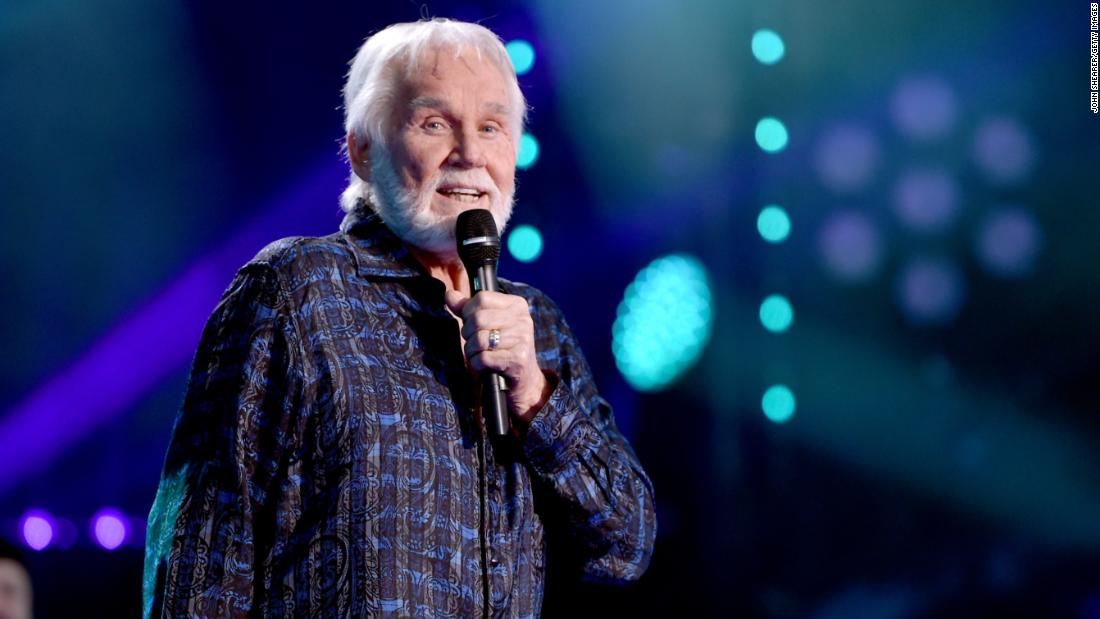
Historical Context of Celebrity Deaths in Music: A Chronological Legacy and Cultural Impact
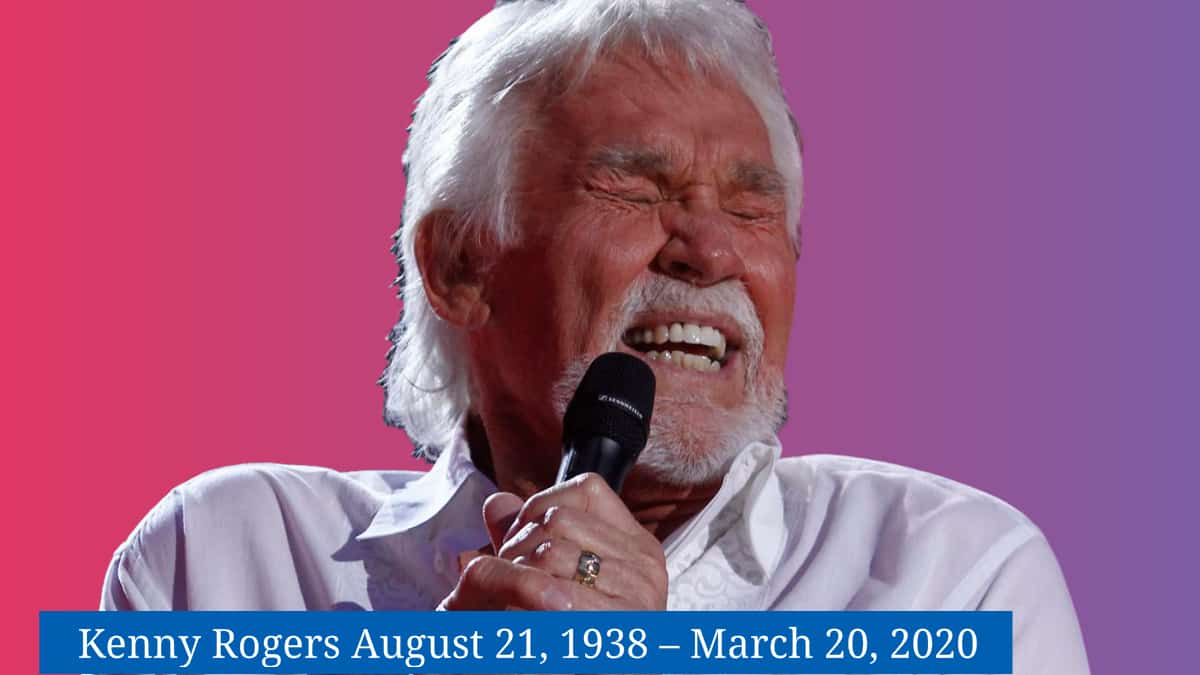
The death of a musician often transcends personal loss, becoming a defining moment in cultural history. From the raw emotion of Jim Morrison’s passing in 1971 to the global outpouring for Whitney Houston in 2012, these events reshaped music industries, fan engagement, and even societal mourning rituals. The 20th century, in particular, witnessed the rise of music as a universal language of grief, where artists’ legacies were immortalized not just through their work but through the circumstances of their departures. This section explores how celebrity deaths influenced music genres, public reactions, and media evolution, while examining the commercial and emotional aftermath that continues to shape the industry today.
Chronological Timeline of Iconic Singer Deaths (1950–2000) and Their Cultural Impact

The latter half of the 20th century saw musicians become cultural icons whose deaths echoed far beyond their artistry. Below is a timeline highlighting pivotal moments where an artist’s passing became a watershed event, altering music genres, fan culture, and even societal norms.
1950s–1960s: The Birth of Rock and the Death of Rebellion - 1959: Buddy Holly, Ritchie Valens, and The Big Bopper (February 3) – The plane crash that killed these rock pioneers during "The Day the Music Died" (popularized by Don McLean’s 1972 song) cemented their status as martyrs of early rock ‘n’ roll. Their deaths accelerated the genre’s evolution, inspiring artists like Bob Dylan and The Beatles to embrace raw, rebellious storytelling. - 1971: Jim Morrison (July 3) – The Doors frontman’s death in Paris at age 27 turned him into a mythic figure, blending rock with existential poetry. His funeral, attended by thousands, mirrored the Beat Generation’s celebration of death as an artistic statement.
1970s–1980s: Disco, Punk, and the Rise of Media Spectacle - 1980: John Lennon (December 8) – The assassination of the former Beatle shocked the world, sparking global vigils and a wave of anti-violence protests. Lennon’s death marked the beginning of celebrity mourning as a mass media phenomenon, with The Wall Street Journal dedicating front-page coverage to his legacy. - 1991: Kurt Cobain (April 5) – Nirvana’s frontman’s suicide at 27 became a defining moment for Generation X, symbolizing the disillusionment of the grunge era. His death led to debates about celebrity privacy and the commercialization of tragedy, with Nevermind re-releases and posthumous albums (MTV Unplugged in New York) becoming cultural touchstones.
Table of Contents
- Historical Context of Celebrity Deaths in Music: A Chronological Legacy and Cultural Impact
- Chronological Timeline of Iconic Singer Deaths (1950–2000) and Their Cultural Impact
- Comparison of Five Iconic Singers: Death Circumstances, Global Reactions, and Lasting Legacies
- Real-Time Updates and Public Grief Mechanisms in Celebrity Death Announcements
- Verification Processes in Major News Outlets
- Social Media Platforms as Real-Time Memorials
- Streaming Services and Digital Tributes
- Traditional Media vs. Digital Memorials
- Psychology of Digital Grief and Collective Mourning
- Case Studies: Polarized Reactions to Controversial Deaths
- Legal and Ethical Considerations in Posthumous Content: Navigating Rights, Releases, and Digital Legacies
- Legal Processes in Managing a Deceased Artist’s Digital and Creative Estate
- Three Ethical Dilemmas in Releasing Unfinished or Unpublished Posthumous Content
- Flowchart: Clearing Posthumous Content for Release
- Cultural and Industry Impact of Singer Deaths: Legacy, Commerce, and Creative Resonance
- Posthumous Recognition in Music Awards and Industry Honors
- Album Sales Spikes: The Posthumous Commercial Boom
- Economic Ripple Effects: Touring, Merchandise, and Licensing
- Genre-Specific Mourning: How Different Music Cultures Honor Their Icons
- Documentaries and Biopics: Reshaping Public Perception Posthumously
1990s: The Age of Tragedy and Globalization - 1994: Tupac Shakur (September 7) – The murder of the rap icon in Las Vegas turned him into a martyr for hip-hop culture. His posthumous album All Eyez on Me (1996) became one of the best-selling double albums of all time, proving that death could amplify an artist’s commercial and cultural footprint. - 1996: Whitney Houston (February 11) – Though her death occurred later, her 1991 overdose and subsequent struggles set the stage for the 2000s’ focus on celebrity addiction. Houston’s funeral, broadcast live, highlighted the intersection of music, fame, and personal tragedy.
Comparison of Five Iconic Singers: Death Circumstances, Global Reactions, and Lasting Legacies
The manner in which a musician dies often shapes their public perception and the enduring nature of their influence. Below is a comparative analysis of five legendary artists, contrasting their death circumstances, immediate global reactions, and long-term cultural impact.
| Artist | Circumstances of Death | Global Reactions and Media Coverage | Lasting Legacy and Commercial Impact | ||||||||||||||||||||||||||||||||||||||||||||
|---|---|---|---|---|---|---|---|---|---|---|---|---|---|---|---|---|---|---|---|---|---|---|---|---|---|---|---|---|---|---|---|---|---|---|---|---|---|---|---|---|---|---|---|---|---|---|---|
| Elvis Presley (1977) | Cardiovascular arrest at age 42, attributed to years of prescription drug abuse. His death was sudden and private, announced by his manager. | Global shock and a three-day national mourning period in the U.S. Media framed him as the "King of Rock ‘n’ Roll" whose death symbolized the end of an era. Funeral attendance was restricted, but TV broadcasts reached millions. | His estate became one of the most lucrative in entertainment history, with posthumous releases (Elvis: The King, 2022) grossing over $100 million. The Graceland estate remains a pilgrimage site, and his music continues to influence genres from pop to country. | ||||||||||||||||||||||||||||||||||||||||||||
| Jim Morrison (1971) | Heart failure at age 27, officially ruled as "heart attack," though rumors of drug use persisted. His death in Paris was shrouded in mystery and myth. | European and American counterculture mourned him as a poet and rebel. His funeral in Los Angeles drew 5,000 mourners, and media portrayed him as both a genius and a tragic figure. The Doors’ music saw a resurgence in the 1990s. | Morrison’s legend grew posthumously, with The Doors reuniting for tours and new compilations like The Best of Jim Morrison (1997) selling millions. His image became synonymous with rock ‘n’ roll mystique, influencing artists like Johnny Depp and Marilyn Manson. | ||||||||||||||||||||||||||||||||||||||||||||
| Whitney Houston (2012) | Drowning in her bathtub at age 48, linked to cocaine use. Her death was sudden and widely publicized, with details leaking to tabloids before official confirmation. | Global tributes flooded social media, with hashtags like #WhitneyHouston trending. Her funeral at New York’s St. Patrick’s Cathedral was broadcast live, and memorials were held worldwide. Media coverage oscillated between reverence and sensationalism. | Her posthumous album I Look to You (2012) debuted at No. 1, and her music remains a staple in film (The Bodyguard soundtrack) and pop culture. The Whitney Houston Foundation continues her philanthropic work, and her voice is preserved in digital archives. | ||||||||||||||||||||||||||||||||||||||||||||
| Amy Winehouse (2011) | Alcohol poisoning at age 27, following a decade of struggles with addiction. Her death was framed as a preventable tragedy, sparking debates on mental health in the music industry. | UK and global fans held candlelit vigils, and media coverage focused on her talent vs. her demons. Her estate fought against exploitative posthumous releases, but Lioness: Hidden Solos (2011) sold over 1 million copies. | Winehouse’s legacy is both celebrated and complicated; her music (Back to Black) remains a soul classic, but her estate’s battles highlight the exploitation of artists’ posthumous images. Documentaries like Amy (2015) humanized her struggle. | ||||||||||||||||||||||||||||||||||||||||||||
| Prince (2016) | Accidental overdose from fentanyl at age 57. His death was ruled an accident, but the circumstances fueled conspiracy theories and scrutiny of prescription drug abuse in the industry. | Purple Rain played worldwide, and fans flooded social media with tributes. His funeral was private, but global broadcasts of his music dominated airwaves. Media coverage balanced reverence with investigative journalism. | His posthumous album Purple Rain (2017 reissue) and 4ever (2017) topped charts, with The Hits: The B-Sides (2019) selling over 2 million copies. The Purple Rain Road tour (2018) became the highest-grossing tour by a deceased artist, proving his enduring appeal
Real-Time Updates and Public Grief Mechanisms in Celebrity Death AnnouncementsThe announcement of a singer’s death triggers an immediate, global response—one that blends journalistic rigor with collective digital mourning. News outlets race to verify information while social media platforms become spontaneous memorials, blending real-time updates with emotional outpourings. Streaming services and traditional media also play distinct roles in preserving the artist’s legacy, each employing unique mechanisms to inform, honor, and process grief. The intersection of technology and public sentiment has redefined how societies react to loss, particularly in the music industry, where artists often hold cultural and emotional significance far beyond their lifetimes.Verification Processes in Major News OutletsNews organizations follow structured protocols to confirm celebrity deaths, prioritizing accuracy amid the urgency of breaking news. BBC, Rolling Stone, and Billboard rely on a tiered verification system, beginning with direct sources such as official family statements, hospital confirmations, or legal documents. For instance, when Aretha Franklin passed away in 2018, outlets cited her family’s public announcement and medical records before publishing. Secondary sources—such as close associates, funeral home confirmations, or law enforcement reports—supplement initial claims, particularly when primary sources are unavailable. A multi-step verification process typically includes:Social Media Platforms as Real-Time MemorialsTwitter/X, Instagram, and TikTok serve as immediate platforms for public tributes, often outpacing traditional media in disseminating news and emotional responses. Each platform leverages unique features to facilitate real-time mourning, from hashtags to interactive memorials. Twitter/X dominates as the primary hub for breaking news and spontaneous tributes. When George Michael died in 2016, the hashtag #RIPGeorgeMichael trended globally within hours, accumulating over 500,000 tweets in 24 hours. Users shared personal anecdotes, lyrics, and condolences, while verified accounts (e.g., @BBC, @RollingStone) provided updates. Twitter’s algorithm amplifies these posts, creating a digital wake where fans engage in collective grief. Memes—such as edited clips of the artist’s performances or humorous yet heartfelt tributes—circulate rapidly, blending humor with sorrow. Instagram focuses on visual memorials, with users changing profile pictures to black-and-white filters or artist-themed overlays. After David Bowie’s death in 2016, fans flooded the platform with #Blackstar (his final album title) posts, including fan art, concert photos, and tributes from celebrities. Instagram Stories became temporary memorial spaces, with close friends and labels posting slideshows of the artist’s life. The platform’s “In Memory” feature, introduced for high-profile deaths, allows users to add a black ribbon to their profile pictures. TikTok transforms grief into viral challenges and creative tributes. Following Juice WRLD’s death in 2019, the #JuiceWRLDChallenge saw users lip-syncing to his songs while holding up handwritten notes. TikTok’s algorithm ensures these videos reach millions, often within hours. The platform also hosts fan-made documentaries, such as the #SeeYouSoon trend for Mac Miller, where users compiled clips of his music and interviews into emotional montages.Streaming Services and Digital TributesSpotify and Apple Music integrate memorial features into their platforms, allowing users to discover and honor deceased artists through curated playlists and in-app notifications. When an artist dies, Spotify often adds a memorial badge to their profile, displaying a black ribbon and the date of passing. For example, Kurt Cobain’s profile includes a “Legends We Lost” section, featuring his discography alongside biographical notes. Apple Music employs a similar approach, with “In Memory Of” playlists—such as the “Legends” section for Prince—curated by editors or fans. These services also notify users via push notifications or email alerts. Spotify’s “Today’s Top Hits” playlist sometimes includes a “Remembering [Artist]” segment, while Apple Music’s “On This Day” feature highlights milestones, including deaths. User-generated content plays a role too; Spotify allows fans to create collaborative playlists (e.g., “RIP Tupac”) where they share favorite tracks and stories.Traditional Media vs. Digital MemorialsTraditional media—newspapers, TV specials, and radio—historically dominated public mourning, offering structured, authoritative narratives. New York Times obituaries, for instance, provide detailed biographies, cultural impact analyses, and often include exclusive interviews. TV specials, like HBO’s The Last King of Rock: The Rise and Fall of Michael Jackson, delve into the artist’s legacy with archival footage and expert commentary. Digital memorials, however, offer immediacy and interactivity. Google Doodles—such as the David Bowie pixelated portrait—serve as global tributes, accessible to millions without geographic or linguistic barriers. Wikipedia obituaries become collaborative documents, with fans and journalists editing entries in real time (e.g., WikiTree’s memorial pages for Aretha Franklin). Unlike traditional media, which may take days to publish, digital platforms enable instantaneous collective action. A key difference lies in user agency: traditional media presents a top-down narrative, while digital memorials allow bottom-up participation. For example, Reddit’s r/Obituaries threads for Mac Miller included fan theories, unreleased music leaks, and personal loss stories, creating a crowdsourced eulogy.Psychology of Digital Grief and Collective MourningThe digital age has introduced new forms of public grief, characterized by symbolic actions that replace physical rituals. Changing profile pictures to black or artist-themed images—often called “digital wreaths”—serves as a virtual marker of respect, mirroring traditional funeral customs. Charity fundraisers, such as the #SeeYouSoon campaigns for Mac Miller (raising over $1 million for his estate and mental health awareness), demonstrate how digital spaces facilitate altruistic mourning. Social media algorithms amplify these trends by prioritizing emotional content, ensuring tributes reach wider audiences. Viral hashtags (e.g., #RIPAretha, #RestInPower) create digital communities of grief, where strangers share losses. However, this hyper-visibility can also lead to performative mourning, where users engage in superficial tributes without deeper emotional investment. The polarized reactions to controversial deaths—such as Michael Jackson’s autopsy rumors or Mac Miller’s overdose—highlight how digital spaces can exacerbate misinformation and fan theories. In Jackson’s case, conspiracy theories spread rapidly on 4chan and early Twitter, with some fans claiming foul play despite official reports. Similarly, Mac Miller’s death sparked debates about celebrity mental health, with some accusing media outlets of sensationalism in their coverage.Case Studies: Polarized Reactions to Controversial DeathsMichael Jackson’s Death (2009) Jackson’s passing triggered global mourning, but also media frenzy and conspiracy theories. Traditional outlets like CNN and Fox News initially reported his death as confirmed by paramedics and hospital sources, but unverified rumors—such as claims of murder or organ trafficking—proliferated online. Twitter became a battleground, with #MichaelJackson trending alongside #JacksonConspiracy. Fox News’ Geraldine Jones famously claimed Jackson was murdered, a claim later debunked by theLegal and Ethical Considerations in Posthumous Content: Navigating Rights, Releases, and Digital LegaciesThe death of a musical icon does not merely mark the end of their artistic journey—it initiates a complex interplay of legal battles, ethical debates, and technological innovations surrounding posthumous content. From unresolved copyright disputes to the moral implications of releasing unfinished works, the management of a deceased artist’s digital and creative estate requires meticulous navigation of both statutory frameworks and public sentiment. This section examines the legal processes governing posthumous releases, ethical dilemmas faced by stakeholders, the role of emerging technologies like AI, and critical contractual clauses that dictate the fate of unreleased music and intellectual property.Legal Processes in Managing a Deceased Artist’s Digital and Creative EstateThe administration of a singer’s estate after death involves a multi-layered legal framework, particularly concerning copyright ownership, digital asset access, and the commercial exploitation of unreleased material. Copyright law, which typically extends 70 years past the death of the creator in many jurisdictions (e.g., the U.S. under the Copyright Act of 1976), ensures that heirs or designated executors retain control over the artist’s work. However, disputes often arise when multiple stakeholders—such as record labels, publishers, and family members—claim rights to different aspects of the estate. For digital assets, including social media accounts, the process is further complicated by terms of service agreements that frequently prohibit posthumous access. Platforms like Instagram or Twitter may require a legally recognized representative (e.g., a power of attorney or executor) to request account access, while others, like Facebook, allow memorialization but restrict content deletion or posting. In cases like Prince’s unpublished music, where the artist’s will stipulated that his unreleased catalog be destroyed, legal battles ensued between his estate and industry figures seeking to exploit the material. Similarly, Tupac Shakur’s posthumous releases faced scrutiny over whether his music could be monetized without violating his expressed wishes or the rights of collaborators. The Digital Millennium Copyright Act (DMCA) in the U.S. and equivalent laws globally also play a role in policing unauthorized use of copyrighted material, while trademark protections may extend indefinitely for an artist’s name or likeness, influencing merchandising and branding rights. Navigating these layers requires collaboration between entertainment lawyers, estate planners, and tech-savvy administrators to ensure compliance while maximizing the estate’s value.Three Ethical Dilemmas in Releasing Unfinished or Unpublished Posthumous ContentThe decision to release posthumous content often triggers ethical conflicts between financial incentives, artistic integrity, and public demand. Three recurring dilemmas highlight the tension between profit motives and respect for the deceased artist’s legacy. 1. Exploiting Unfinished Work for Profit The release of Whitney Houston’s I Look to You in 2014, recorded just months before her death, sparked backlash for its perceived exploitation. While the song was completed, questions arose about whether the estate prioritized commercial gain over the artist’s emotional state during its creation. Similarly, Amy Winehouse’s posthumous releases, including unreleased demos, faced criticism for turning her struggles into marketable content, raising concerns about moral rights (the right of an artist to protect their work from distortion or exploitation that harms their reputation). 2. Authenticity vs. Commercialization of Unreleased Material Michael Jackson’s estate has been accused of prioritizing revenue over artistic intent, particularly with projects like Xscape (2014), which included unfinished tracks remixed by producers. Fans and critics debated whether the estate should have waited for a more cohesive vision or if the rush to capitalize on nostalgia diluted Jackson’s creative vision. This dilemma extends to Prince’s vault, where disputes over which unreleased tracks to prioritize reflected differing opinions on whether his estate should honor his privacy or fulfill fan curiosity. 3. Public Backlash and the "Cashing in" Perception The release of Elvis Presley’s Rubber Duck demos in 2022, recorded in the 1970s but never intended for release, led to accusations that his estate was monetizing his likeness without regard for his original intentions. Similarly, Tupac’s Better Dayz album (2022) faced scrutiny over its rushed production and perceived lack of quality, with fans questioning whether the estate should have waited for a more polished release. These cases underscore the ethical tightrope families and labels walk: balancing the desire to deliver fan-requested content with the risk of damaging the artist’s reputation.Flowchart: Clearing Posthumous Content for ReleaseReleasing posthumous content requires a structured approach to ensure legal compliance and ethical responsibility. Below is a step-by-step flowchart outlining the process, from initial approval to final distribution:
|
Leave a Comment
Comments are moderated before appearing. The data you submit is processed according to the Privacy Policy of Holo.