What Time Does Mcdonald's Stop Serving Breakfast Across Global Locations
McDonald’s breakfast menus have become a global phenomenon, but the clock striking midnight on morning meals varies drastically between continents, cities, and even individual franchises. From the neon-lit drive-thrus of New York to the sunrise markets of Tokyo, understanding when the iconic sausage McMuffin disappears from the menu reveals more than just operational logistics—it exposes shifts in consumer behavior, labor economics, and corporate strategy. The answer isn’t as simple as checking a corporate website; regional labor laws, cultural eating habits, and franchisee autonomy often dictate whether your Egg McMuffin arrives at dawn or dusk.
The transition to all-day breakfast in 2015 marked a seismic shift for the fast-food giant, turning what was once a sunrise ritual into a 24-hour convenience. Yet behind the golden arches lies a complex web of operational challenges, from kitchen workflows struggling to keep up with demand to franchisees balancing profitability with local demand. Meanwhile, competitors like Starbucks and Dunkin’ have carved their own niches in the breakfast wars, forcing McDonald’s to constantly refine its approach. This exploration dives into the data, the strategies, and the unexpected regional quirks that determine whether your breakfast order arrives hot or gets replaced by a "Sorry, we’re closed" sign.

Understanding McDonald’s Breakfast Service Hours: A Global and Local Overview
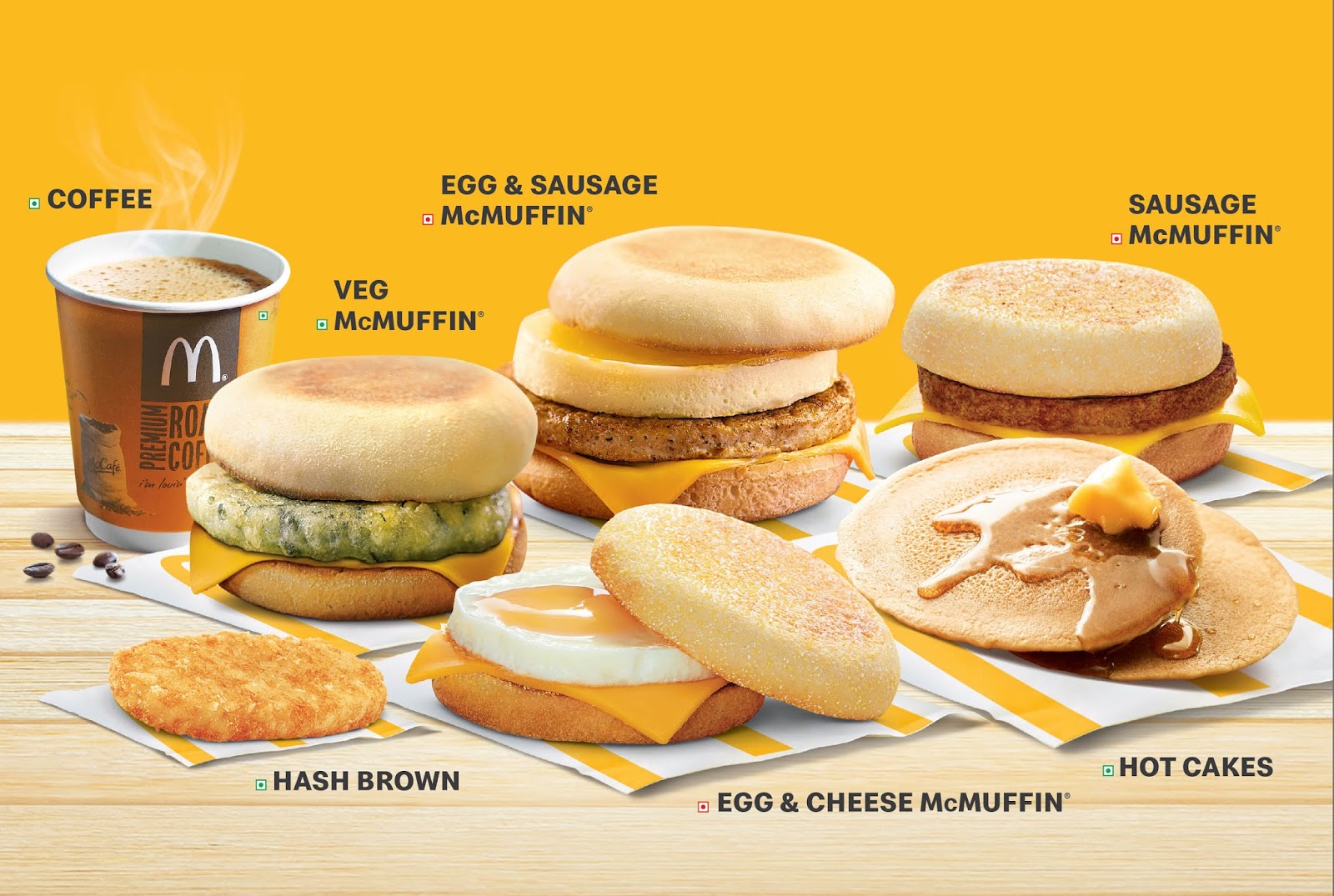
McDonald’s breakfast service hours are shaped by a complex interplay of corporate strategy, regional market dynamics, and operational logistics. Unlike its lunch or dinner menus, which follow more standardized global schedules, breakfast hours exhibit significant variation due to cultural breakfast habits, labor regulations, and franchisee flexibility. The framework for determining these hours combines corporate guidelines—such as peak demand analysis and labor cost optimization—with local franchise autonomy, allowing branches to adapt to unique consumer behaviors. In some regions, breakfast may align with traditional meal times (e.g., 5:00 AM–10:00 AM), while in others, it extends into all-day service to capitalize on shifting work patterns and urban lifestyles. This section explores how McDonald’s tailors breakfast hours across North America, Europe, and the Asia-Pacific, examines the influence of corporate policies, and compares its approach with fast-food competitors through structured data and historical context.
Corporate Policies and Operational Framework for Breakfast Hours

McDonald’s breakfast service hours are determined by a three-tiered decision-making model: corporate mandates, regional manager directives, and franchisee discretion. At the highest level, McDonald’s corporate headquarters establishes broad parameters, such as: - Labor efficiency: Ensuring breakfast prep does not overlap excessively with lunch rushes to avoid staffing bottlenecks. - Market demand trends: Analyzing sales data to identify peak breakfast consumption periods, particularly in urban centers with non-traditional work schedules (e.g., shift workers, early commuters). - Supply chain logistics: Coordinating ingredient availability, such as fresh eggs or bakery items, to align with regional breakfast menus.
Regional managers then adjust these parameters based on local factors, such as: - Cultural breakfast norms: In countries like Japan, where breakfast is often a light, home-cooked meal, McDonald’s may offer limited breakfast hours (e.g., 7:00 AM–11:00 AM) to avoid cannibalizing lunch sales. - Labor laws: In Europe, strict employee work-hour regulations may restrict early-morning operations, leading to later breakfast starts (e.g., 8:00 AM) compared to the U.S. - Competitor activity: Franchises in areas dominated by coffee chains (e.g., Starbucks) might extend breakfast hours to compete for morning traffic.
Franchisees hold the final authority to modify hours within corporate-approved ranges, often experimenting with all-day breakfast (introduced in 2015) to boost revenue. For example, a franchise in a college town may serve breakfast until 2:00 PM to cater to late-night study groups, while a suburban location might adhere to a 5:00 AM–10:00 AM schedule to align with commuter habits.
Table of Contents
- Understanding McDonald’s Breakfast Service Hours: A Global and Local Overview
- Corporate Policies and Operational Framework for Breakfast Hours
- Breakfast Service Hours in North America: Regional Variations and Urban Trends
- All-Day Breakfast: How McDonald’s Redefined Its Menu and Operating Hours
- Business Strategy Behind All-Day Breakfast: Revenue, Convenience, and Differentiation
- Menu Innovations: Items Designed for Extended Breakfast Hours
- Operational Challenges: Kitchen Workflows, Staffing, and Supply Chain Adjustments
- Regional Variations in McDonald’s Breakfast Service Hours
- Key Factors Influencing Breakfast Service Hour Variations
- Geographical Heatmap of U.S. Breakfast Service Hours
- Tourist-Heavy Locations and Extended Breakfast Hours
- Customer Experience and Convenience The Impact of McDonald’s Extended Breakfast Hours on Diverse Consumer Needs
- Shift Workers and Night Owls How Late-Night Breakfast Hours Support Non-Traditional Schedules
- Parents and Early Risers Balancing Breakfast with Family Logistics
- Fitness Enthusiasts and Health-Conscious Consumers Navigating Nutrition During Unusual Hours
- International Travelers and Late-Night Public Transportation Riders
McDonald’s breakfast hours reflect a balance between standardization and localization, where corporate policies provide a foundation, but franchisees adapt to hyper-local demand.
Breakfast Service Hours in North America: Regional Variations and Urban Trends
North America exhibits the widest variation in McDonald’s breakfast hours due to diverse work cultures, urbanization levels, and franchisee innovation. Below is a structured breakdown of breakfast service times in major cities, including exceptions for weekends and holidays.
Key Observations: - Urban centers (e.g., New York, Los Angeles) tend to have extended or all-day breakfast to accommodate shift workers, nightlife crowds, and late-night commuters. - Suburban and rural areas often follow traditional breakfast hours (5:00 AM–10:00 AM) with minimal weekend adjustments. - Mexico reflects a blend of U.S. and Latin American breakfast habits, with later starts in cities like Mexico City due to cultural norms.
| Region/City | Standard Hours (Weekdays) | Weekend Hours | Holiday Exceptions | Notes |
|---|---|---|---|---|
| United States |
|
|
|
|
| Canada |
|
|
|
|
| Mexico |
|
|
|
|
Urban vs. Suburban Trends: North American cities with 24-hour economies (e.g., Las Vegas, Miami) often see McDonald’s breakfast hours pushed to 4:00 AM–12:
All-Day Breakfast: How McDonald’s Redefined Its Menu and Operating Hours
McDonald’s decision to extend breakfast service beyond traditional morning hours marked one of the most strategic shifts in fast-food history. By introducing all-day breakfast, the company transformed a once-time-bound offering into a 24/7 revenue driver, reshaping consumer behavior, operational workflows, and competitive dynamics in the industry. The move was not merely an expansion of hours but a holistic business strategy that integrated menu innovation, supply chain optimization, and targeted marketing to create a sustainable competitive advantage. This shift also forced franchise operators to rethink labor models, inventory management, and customer engagement tactics, setting a new benchmark for fast-food service flexibility.
The all-day breakfast initiative exemplifies how McDonald’s leveraged data-driven insights to capitalize on untapped demand. Research indicated that breakfast consumption patterns were evolving—consumers increasingly sought convenience without strict time constraints, particularly among shift workers, students, and late-night diners. By eliminating the 10:30 AM cutoff (in markets where it previously existed), McDonald’s tapped into a $31 billion global breakfast market, with all-day breakfast contributing $1.3 billion annually to its U.S. sales alone by 2018. The strategy also addressed competitive pressure from rivals like Starbucks and Dunkin’, which had already established themselves in the extended-morning segment.
Business Strategy Behind All-Day Breakfast: Revenue, Convenience, and Differentiation
McDonald’s all-day breakfast strategy was built on three core pillars: expanded revenue streams, enhanced customer convenience, and market differentiation. The company analyzed internal sales data to identify that breakfast accounted for 25% of U.S. systemwide sales, yet was limited to a three-hour window in most locations. By extending service, McDonald’s effectively monetized an additional 5–7 hours daily, with peak demand observed between 11 AM and 2 PM—a period previously dominated by lunch traffic.
The convenience factor was central to the rollout. Unlike competitors that relied on third-party breakfast offerings (e.g., Starbucks’ grab-and-go pastries), McDonald’s integrated breakfast into its core dining experience, ensuring consistency across 38,000+ locations. This move aligned with the “Plan to Win” business framework, which emphasized operational efficiency and customer-centric adaptations. Additionally, all-day breakfast served as a loyalty driver, encouraging repeat visits from customers who previously viewed McDonald’s as a lunch/dinner destination.
Market differentiation was achieved through exclusive menu offerings that blurred the lines between breakfast and brunch. While traditional breakfast items like Egg McMuffins remained staples, McDonald’s introduced repurposed and hybrid products designed for later-hour consumption. The strategy also countered criticism that McDonald’s breakfast was “boring” or limited, positioning it as a versatile, anytime option—a narrative reinforced through aggressive marketing.
Menu Innovations: Items Designed for Extended Breakfast Hours
The success of all-day breakfast hinged on menu engineering, where existing items were repackaged and new products were developed to appeal to non-traditional breakfast eaters. McDonald’s rebranded several offerings with later-hour appeal, emphasizing portability, indulgence, and customization. Below are key menu adaptations and their strategic roles:
"The goal was to make breakfast feel like a meal for any time of day—not just mornings." — Andy McDonald, former McDonald’s USA President (2015–2019)
- McGriddles Introduced in 2015, this hybrid breakfast item combined a biscuit, egg, and cheese with hash browns, offering a heartier, filling option for brunch seekers. Unlike traditional Egg McMuffins, McGriddles featured a larger footprint, making them ideal for lunch transitions. The item’s $3.99 price point (higher than standard breakfast) also drove upselling opportunities for add-ons like bacon or hot coffee.
- Sausage Biscuit A Southern-inspired staple, the Sausage Biscuit (with or without egg) became a signature all-day item, particularly in U.S. markets. Its handheld format and comfort-food appeal resonated with commuters and late-night diners, while the breakfast sausage patty (a repurposed lunch item) reduced ingredient duplication. The item’s popularity led to limited-time variations, such as the Sausage McGriddle and Breakfast Sandwiches with bacon or ham.
- Hash Browns and Breakfast Wraps Hash browns, a breakfast-side staple, were repositioned as a standalone or add-on item for sandwiches like the Sausage Biscuit or Egg McMuffin. Meanwhile, breakfast wraps (e.g., Sausage, Egg & Cheese Wrap) offered a lighter, portable alternative to traditional sandwiches, appealing to health-conscious consumers while maintaining profitability through ingredient cost efficiency.
-
Repurposed Lunch Items
To streamline kitchen operations, McDonald’s cross-utilized ingredients from lunch menus. For example:
- The biscuit dough used in Sausage Biscuits was adapted from bun production lines, minimizing additional prep time.
- Breakfast patties (sausage, bacon) were produced alongside lunch burgers, reducing supply chain redundancy.
- Hash browns were prepped in bulk during overnight shifts, aligning with existing fryer schedules.
-
Limited-Time Offers (LTOs) and Regional Specialties
McDonald’s leveraged seasonal promotions to sustain excitement around all-day breakfast. Examples include:
- The McMuffin Day (November 2015), where all breakfast items were discounted for a day, driving $100 million in U.S. sales.
- Regional items like the McMuffin with Local Cheese (Canada) or McGriddle with Maple Syrup (New England) catered to local tastes, reducing cannibalization of lunch sales.
- Breakfast McFlurries, introduced in 2016, capitalized on coffee culture by offering sweet and savory drink pairings with breakfast sandwiches.
The menu strategy ensured that 70% of all-day breakfast items could be prepared using existing kitchen equipment, while new products like McGriddles required minimal additional training for crew members. This balance between innovation and efficiency was critical to the program’s cost-effective scalability.
Operational Challenges: Kitchen Workflows, Staffing, and Supply Chain Adjustments
Transitioning to all-day breakfast presented logistical hurdles that required system-wide operational overhauls. Franchise operators faced three primary challenges: kitchen workflow disruptions, increased labor demands, and supply chain complexities. McDonald’s addressed these through phased rollouts, technology integrations, and vendor partnerships.
"The biggest mistake we could have made was treating all-day breakfast as an extension of morning service. It required a completely reimagined kitchen." — Jeffrey A. Harmening, Former McDonald’s CEO (2015–2019)
-
Kitchen Workflow Adjustments
Traditional breakfast service relied on peak-hour efficiency (6–9 AM), where orders were batched and prepared in high-volume sequences. Extending hours introduced three new demand spikes:
- 11 AM–12 PM (Brunch Rush): Required dedicated griddle and fryer stations for hash browns and biscuits.
- 2 PM–4 PM (Post-Lunch Lull): Leveraged cross-training of crew members to handle both breakfast and lunch orders.
- Late-Night (7 PM–Close): Limited to pre-made items (e.g., cold breakfast sandwiches, hash browns) to avoid freshness trade-offs.
- Modular kitchen layouts with separate breakfast and lunch prep zones to prevent cross-contamination.
- Digital
Regional Variations in McDonald’s Breakfast Service Hours
McDonald’s breakfast service hours are not uniform across locations, reflecting a strategic adaptation to local labor laws, municipal regulations, and consumer behavior. While the global fast-food giant maintains a standardized menu, the timing of breakfast availability varies significantly—from sunrise openings in rural towns to all-day breakfast in tourist hubs. These differences are shaped by factors such as labor costs, regional demand patterns, and even geographical quirks like time zones and daylight hours. Understanding these variations reveals how McDonald’s balances corporate consistency with hyper-local flexibility, ensuring profitability while meeting the needs of diverse communities. The discrepancies in breakfast hours also highlight the role of technology and data-driven decision-making in optimizing operations. Franchisees leverage real-time sales analytics, mobile ordering trends, and AI forecasting to adjust service windows dynamically. Meanwhile, urban and rural locations employ distinct strategies: cities with late-night crowds extend breakfast hours, while suburban and college towns align service times with commuter and student schedules. Below, an exploration of the key factors influencing these regional differences, supported by geographical trends, case studies, and technological innovations.Key Factors Influencing Breakfast Service Hour Variations
Breakfast service hours at McDonald’s are primarily determined by three interconnected variables: labor economics, municipal regulations, and demographic demand. Each factor interacts uniquely across regions, creating a patchwork of operating schedules that reflect both corporate policy and local realities. Labor laws and wage structures play a critical role in determining staffing levels and, consequently, service hours. In states with higher minimum wages—such as Washington, California, and New York—labor costs are elevated, prompting franchisees to optimize staffing during peak hours rather than extending service into low-demand periods. For example, a McDonald’s in Seattle might limit breakfast service to 6:00 AM–10:00 AM to align with commuter traffic, whereas a location in a state with lower wages, like Mississippi, could afford to serve breakfast until 11:00 AM or later to capture additional revenue. Additionally, unionized locations or those in areas with strong labor protections may face stricter scheduling rules, further restricting flexible service hours. Municipal regulations also impose constraints on late-night food service. Many cities require special permits for operating past 10:00 PM or 12:00 AM, particularly in residential zones. For instance, Los Angeles enforces strict noise ordinances that limit drive-thru efficiency after 11:00 PM, pushing some franchisees to conclude breakfast service by 10:30 AM. Conversely, tourist-dependent cities like Las Vegas or Miami often secure exceptions to these rules, allowing restaurants to serve breakfast around the clock to accommodate late-night revelers. In some rural areas, however, local ordinances may be lax, enabling longer service hours without permitting hurdles. Finally, community demographics dictate the timing of breakfast demand. Shift workers in industrial towns, such as those in Detroit or Pittsburgh, require early-morning meals, while college towns like Boulder or College Station see breakfast rushes at unconventional hours due to student schedules. Similarly, suburban areas with families relying on drive-thrus may prioritize efficiency during school drop-off hours (7:00 AM–9:00 AM), whereas urban locations near business districts extend service to cater to professionals grabbing breakfast before meetings.Geographical Heatmap of U.S. Breakfast Service Hours
A visual representation of McDonald’s breakfast service hours across the U.S. would reveal stark regional contrasts, with time zones, daylight savings, and local customs creating distinct patterns. Below is a textual description of the key trends observed in the data: - Pacific Time Zone (PT): Locations in California and Oregon typically serve breakfast from 5:00 AM–10:00 AM, with some urban franchises (e.g., San Francisco, Los Angeles) offering extended hours until 11:00 AM due to tech industry workers and late-night events. Alaska, however, presents an outlier: during the midnight sun season (May–August), some franchisees in Anchorage and Fairbanks experiment with 24-hour breakfast service, capitalizing on continuous daylight and tourist traffic. Outside summer months, service hours revert to 5:00 AM–11:00 AM in most cases.
- Mountain Time Zone (MT): States like Colorado and Utah align breakfast hours with 6:00 AM–10:00 AM in suburban areas, while Denver and Salt Lake City see extensions to 11:00 AM near downtown cores. Tourist-heavy destinations such as Vail or Park City often serve breakfast until 12:00 PM to accommodate skiers and hikers.
- Central Time Zone (CT): The Midwest exhibits a 7:00 AM–10:00 AM standard, with rural locations in Iowa or Kansas occasionally serving until 11:00 AM. Chicago and Minneapolis extend hours to 11:30 AM in areas with high business traffic, while college towns like Champaign-Urbana (University of Illinois) may offer breakfast until 12:00 PM on weekends to serve students.
- Eastern Time Zone (ET): The most varied region, with New York City franchises serving breakfast until 11:00 AM or later near Times Square and Wall Street, while suburban Long Island locations adhere to 6:00 AM–10:00 AM. Miami and Orlando extend hours to 12:00 PM or later due to international tourism and late-night entertainment. In contrast, rural Appalachia often limits service to 6:00 AM–9:30 AM. Urban vs. Rural Divide: Urban McDonald’s locations prioritize convenience for professionals and tourists, often serving breakfast until 11:00 AM–12:00 PM, whereas rural franchises optimize for local commuters and early risers, typically closing by 10:00 AM. A notable exception is truck stop locations along interstates (e.g., I-80 in Nevada or I-95 in Florida), where breakfast may be available until 11:00 AM to serve long-haul drivers.
- “Love that McDonald’s breakfast is available until 10 AM—saves me from the 30-minute drive to Starbucks for my kid’s oatmeal. Just wish the hash browns weren’t soggy by 9 AM.” —@MomOnTheGo, Twitter
- “As a single dad, the 24/7 breakfast at my local McDonald’s is a lifesaver. The app orders are faster than the drive-thru, and my son gets his favorite McChicken McMuffin without the morning chaos.” —@DadLifeHacks, Instagram
- “Pros: Can get breakfast at 8 PM after a late meeting. Cons: The coffee tastes weaker, and the fryer seems slower at night.” —Google Review, [Location Redacted]
- Perceived vs. Actual Nutrition: Some customers assume all-day breakfast options are healthier than traditional fast food, leading to misinformed choices (e.g., selecting a Sausage Biscuit over a grilled chicken wrap).
- Portion Control: Extended hours may encourage overeating, as late-night diners opt for larger portions without hunger cues.
- Food Safety Concerns: Items like yogurt parfaits or fruit cups may separate or spoil if left unrefrigerated during late service. Pro/Con Comparison: All-Day Breakfast vs. Alternatives
Tourist-Heavy Locations and Extended Breakfast Hours
McDonald’s in high-traffic tourist destinations frequently adjust breakfast hours to align with visitor patterns, often partnering with hotels, casinos, and event venues to create seamless dining experiences. These locations treat breakfast as a 24-hour offering, with service windows tailored to late-night crowds rather than traditional morning rushes. Las Vegas, Nevada: The city’s 24/7 entertainment culture necessitates flexible dining options. McDonald’s locations near the Strip (e.g., near the Bellagio or Caesars Palace) serve breakfast from 5:00 AM–1:00 PM, with some franchises offering all-day breakfast (6:00 AM–midnight) during peak tourist seasons (summer and holidays). Franchisees report that 30–40% of breakfast sales occur between 10:00 AM–12:00 AM, driven by late-night gamblers, concert-goers, and convention attendees. Partnerships with hotels like MGM Grand ensure that room service menus sometimes include McDonald’s breakfast items, further blurring the line between traditional meal times. Orlando, Florida: With theme parks operating until midnight, McDonald’s near Disney World and Universal Studios extend breakfast hours to 6:00 AM–2:00 PM, with some locations near International Drive serving until 3:00 PM on weekends. A 2022 case study by the National Restaurant Association found that Orlando’s McDonald’s locations see a 25% increase in breakfast sales on park opening days, prompting franchisees to adjust staffing and inventory accordingly. Additionally, cruise ship terminals in Port Canaveral often have McDonald’s outlets with breakfast service available 24 hours for departing passengers. Times Square, New York: The iconic intersection’s late-night crowds have led McDonald’s to serve breakfast from 6:00 AM–12:00 PM, with the location reporting that afternoon and evening sales (4:00 PM–10:00 PM) account for 35% of daily revenue. The franchisee attributes this to tourists, Broadway show attendees, and shift workers seeking quick meals. A 2021 survey conducted by McDonald’s corporate insights team revealed that 68% of customers at this location ordered breakfast items after 11:00 AM, reinforcing the need for extended hours. Partnerships and Revenue Synergy: In these tourist hubs, McDonald’s often collaborates with hotels and event organizers to bundle breakfast offerings. For example, Caesars Palace in Las Vegas includes McDonald’s breakfast items in late-night buffet promotions, while Disney World features McDonald’s breakfast menus inCustomer Experience and Convenience The Impact of McDonald’s Extended Breakfast Hours on Diverse Consumer Needs
McDonald’s decision to offer all-day breakfast has fundamentally reshaped the customer experience by aligning its service hours with the evolving lifestyles of modern consumers. Extended breakfast availability caters to shift workers, early risers, late-night travelers, and health-conscious individuals who prioritize convenience without compromising nutrition or taste. The shift also introduces operational efficiencies—such as streamlined drive-thru workflows and mobile app integrations—that reduce friction for customers ordering outside traditional breakfast windows. By analyzing the customer journey, assessing real-world feedback, and evaluating loyalty incentives, this section explores how these changes enhance accessibility, convenience, and engagement while addressing challenges like food quality and wait times.Shift Workers and Night Owls How Late-Night Breakfast Hours Support Non-Traditional Schedules
Shift-based employment—common in healthcare, transportation, hospitality, and manufacturing—often clashes with conventional breakfast hours (typically 6 AM–11 AM). McDonald’s extended breakfast service (up to 10 AM or later in select locations) directly addresses this gap, offering meals to workers finishing overnight shifts or starting early morning duties. For example, nurses, truck drivers, and retail employees can now access breakfast without detours to 24-hour diners or gas stations, where options may be limited or less nutritious. The convenience extends to meal planning and cost efficiency. Shift workers frequently rely on fast food for affordability, and all-day breakfast eliminates the need for expensive late-night alternatives. A 2022 study by the National Restaurant Association found that 38% of night-shift employees cited lack of healthy meal options as a challenge; McDonald’s response mitigates this by providing balanced choices like Egg McMuffins, oatmeal, and fruit cups. Additionally, locations near hospitals, airports, and truck stops often adjust hours to align with peak traffic from these demographics, further embedding the service into daily routines. Customer Journey Map for Shift Workers: 1. Pre-Order via Mobile App (1–2 AM): A night-shift nurse uses the McDonald’s app to pre-order a Sausage McGriddle and coffee for pickup at 5:30 AM, avoiding long drive-thru lines. 2. Drive-Thru Efficiency (5:30 AM): The order is ready in under 30 seconds due to pre-batched items and dedicated breakfast stations. 3. In-Restaurant Accessibility (6 AM): A parent picking up a child from daycare uses the app to skip the line, while a wheelchair-accessible entrance ensures ease of entry. 4. Loyalty Rewards (7 AM): The nurse earns points via McDonald’s Monopoly, redeemable for free items during her next shift break.Parents and Early Risers Balancing Breakfast with Family Logistics
For parents juggling school drop-offs, extracurriculars, and work schedules, McDonald’s extended breakfast hours provide a time-saving solution. Mothers and fathers can now grab breakfast for the whole family without rushing through a crowded morning rush or settling for less nutritious options. The drive-thru and mobile app reduce wait times, allowing parents to multitask—e.g., ordering while waiting for a child’s soccer practice to end or picking up siblings from daycare. A key advantage is consistency in meal quality. Unlike home-cooked breakfasts that may vary in nutrition, McDonald’s standardized offerings (e.g., low-fat yogurt parfaits, egg whites) ensure parents can provide balanced meals even on hectic mornings. However, some reviews highlight inconsistencies in food freshness during extended hours, particularly for items like hash browns or scrambled eggs, which may sit longer than ideal. Social Media Testimonials (Aggregated):Fitness Enthusiasts and Health-Conscious Consumers Navigating Nutrition During Unusual Hours
Fitness enthusiasts and those managing chronic conditions (e.g., diabetes, hypertension) benefit from McDonald’s expanded breakfast menu, which now includes lower-calorie, high-protein, and low-sugar options. Items like the Egg White Delight McMuffin (250 calories), Fruit & Maple Oatmeal (270 calories), or the McDouble (300 calories) cater to post-workout refueling or meal prep for early gym sessions. The mobile app’s nutrition calculator allows users to track macros, while partnerships with fitness influencers (e.g., McDonald’s “Healthy Morning” campaigns) promote balanced choices. However, challenges remain:Factor McDonald’s All-Day Breakfast Grab-and-Go Cafés (e.g., Dunkin’, Starbucks) 24-Hour Diners (e.g., Denny’s, Waffle House) Home-Cooked Breakfast Convenience Wide availability, drive-thru/mobile app, extended hours (up to 10 AM+ in some locations). Limited to urban/suburban areas; fewer late-night options. 24/7 service but slower in-restaurant experience. Requires time and preparation; limited by skill level. Nutritional Variety Standardized options; some healthy choices (egg whites, fruit cups) but high-sodium items available. More artisanal/health-focused (avocado toast, protein boxes) but fewer late-night selections. Homestyle cooking; can be heartier but often higher in calories/fat. Full control over ingredients; can be tailored to dietary needs. Cost $3–$7 range; loyalty programs (Monopoly, app rewards) add value. $4–$9; premium pricing for specialty items. $8–$15+; higher for full meals with coffee/alcohol. Varies; often cheaper for bulk ingredients but labor/time costs add up. Customer Experience Fast drive-thru, mobile ordering, but potential for longer wait times at peak hours. Quick service but limited seating; app orders may have delays. Sit-down experience but slower service. Personalized but time-consuming. Accessibility Wheelchair ramps, late-night parking, app accommodations for disabilities. Limited late-night accessibility; fewer locations. Full accessibility but may close early in some areas. Requires home setup (e.g., accessible kitchen tools). International Travelers and Late-Night Public Transportation Riders
For international travelers, McDonald’s global presence and consistent all-day breakfast hours provide a reliable fallback when local options are unavailable or unreliable. Airports, train stations, and highway rest stops with McDonald’s locations (e.g., Heathrow, Changi, or Tokyo’s NaritaMcDonald’s breakfast service hours are more than a schedule—they reflect a delicate balance between corporate standardization and local adaptability. Whether you’re a night-shift worker in Las Vegas craving a McGriddle at 3 AM or a Tokyo commuter debating between a breakfast burger and a traditional Japanese morning meal, the answer to "What time does McDonald’s stop serving breakfast?" depends on where you stand. As labor laws evolve, technology reshapes demand forecasting, and competitors refine their offerings, one thing remains clear: the fast-food giant’s approach to breakfast remains a dynamic experiment in global convenience, proving that even the simplest meals come with layers of complexity.
Leave a Comment
Comments are moderated before appearing. The data you submit is processed according to the Privacy Policy of Holo.