What Time Does Mcdonald's Stop Serving Breakfast Globally Explained
Millions of customers rely on McDonald’s breakfast menus to kickstart their day, but the fast-food giant’s service cutoff times vary dramatically across countries—often leaving diners confused or disappointed. From the early sunrise in Tokyo to late-night airport branches in Dubai, McDonald’s breakfast hours reflect a mix of corporate policies, local demand, and operational logistics. Understanding these fluctuations isn’t just about avoiding an empty breakfast tray; it’s uncovering how global chains balance efficiency with customer convenience in an era where convenience is king.
The answer to What Time Does McDonald’s Stop Serving Breakfast isn’t one-size-fits-all. While some locations enforce a strict 10:30 AM cutoff, others stretch breakfast into the evening or operate 24/7, blurring the lines between morning fuel and all-day indulgence. Behind these variations lie franchise autonomy, cultural eating habits, and even hidden promotions that McDonald’s rarely advertises. Dive into the data, operational secrets, and customer strategies that reveal why your nearest McDonald’s might serve breakfast at 3 AM—or shut it down by 9 AM.

Understanding McDonald’s Breakfast Service Hours Across Global Locations
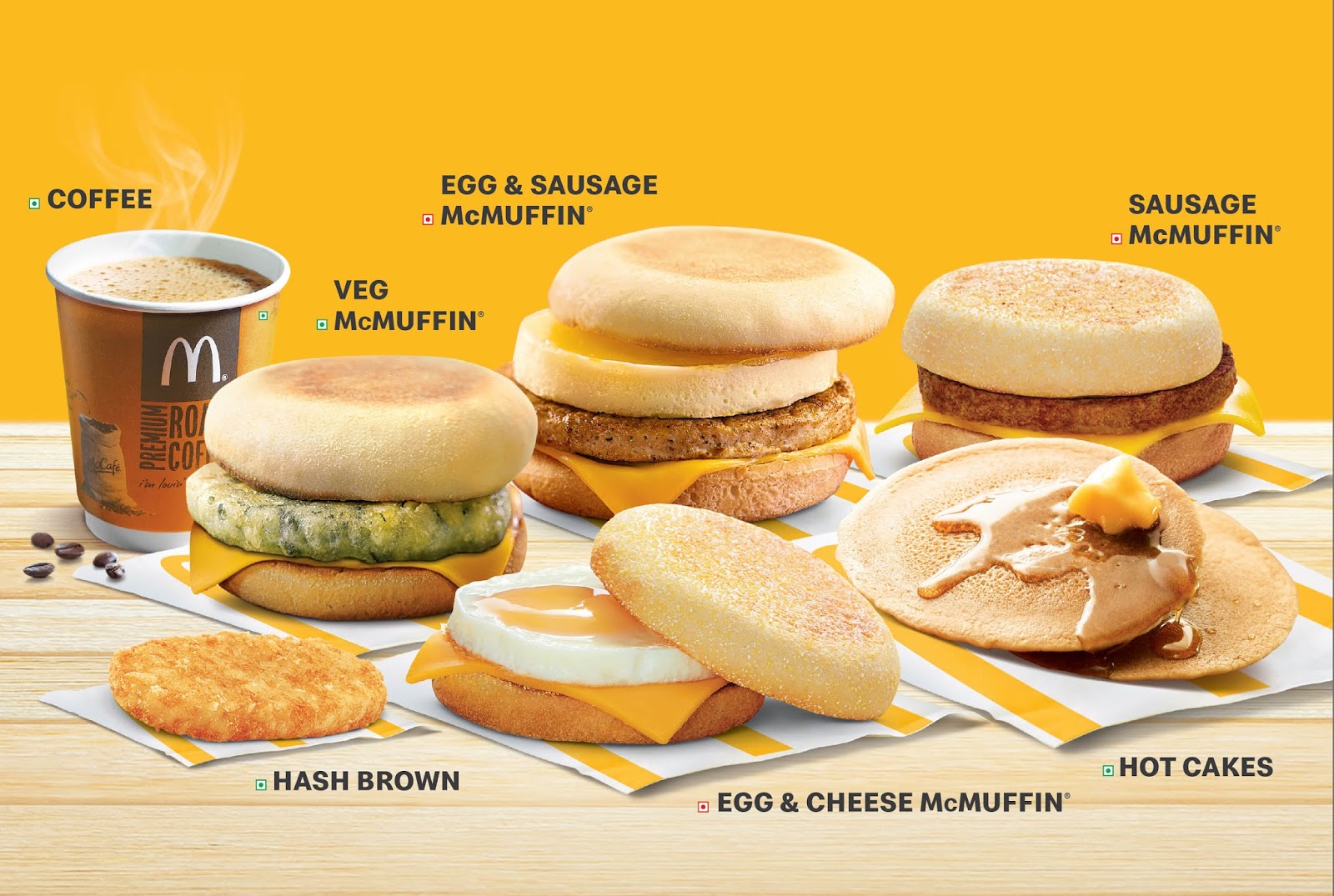
McDonald’s breakfast menus vary significantly by country, with service hours influenced by labor laws, cultural habits, and franchise agreements. While some locations adhere to a standardized schedule, others—particularly in 24-hour cities or airport branches—operate on extended or irregular timelines. Understanding these variations helps customers plan visits efficiently, especially in regions where breakfast is a major part of daily routines. Regional adaptations also reflect local demand, such as late-night breakfast in countries with late-dinner cultures or early service in areas where breakfast is consumed before school or work.
Standard Breakfast Service Hours by Country

McDonald’s breakfast availability is not uniform globally, with each country adopting schedules aligned to local breakfast consumption patterns. In the United States and Canada, breakfast typically begins at 6:00 AM and ends between 10:00 AM and 11:00 AM, though some urban locations extend service until 1:00 PM due to high demand. In the United Kingdom, breakfast starts at 6:30 AM and concludes by 11:00 AM, while Australia follows a similar pattern, with most branches stopping service by 10:30 AM. Singapore and the UAE often serve breakfast from 6:00 AM to 11:00 AM, but airport branches may offer extended hours. Japan tends to have shorter breakfast windows, usually 7:00 AM to 10:00 AM, reflecting cultural preferences for lighter morning meals.
Comparison Table: McDonald’s Breakfast Hours by Region
Below is a structured comparison of McDonald’s breakfast service hours across key markets, including peak demand periods and notable exceptions.
| Country | Standard Breakfast Hours | Peak Hours (Weekdays vs. Weekends) | Exceptions (24-Hour, Airport, Franchise-Specific) |
|---|---|---|---|
| United States | 6:00 AM – 10:00 AM (varies by location) | Weekdays: 6:00 AM – 8:00 AM; Weekends: 7:00 AM – 9:00 AM (extended in urban areas) | 24-hour locations in cities like Las Vegas and New York; airport branches in Atlanta and Chicago serve breakfast until 1:00 PM. |
| Canada | 6:00 AM – 11:00 AM | Weekdays: 6:30 AM – 9:00 AM; Weekends: 7:00 AM – 10:00 AM | Toronto Pearson Airport locations offer breakfast until midnight. |
| United Kingdom | 6:30 AM – 11:00 AM | Weekdays: 7:00 AM – 9:00 AM; Weekends: 8:00 AM – 10:00 AM | Heathrow Airport branches serve breakfast until 1:00 PM. |
| Australia | 6:00 AM – 10:30 AM | Weekdays: 6:30 AM – 8:30 AM; Weekends: 7:00 AM – 9:30 AM | Sydney Airport locations extend service to 12:00 PM. |
| Singapore | 6:00 AM – 11:00 AM | Weekdays: 6:30 AM – 9:00 AM; Weekends: 7:00 AM – 10:00 AM | Changi Airport branches serve breakfast until 2:00 PM. |
| United Arab Emirates | 6:00 AM – 11:00 AM (Dubai/Abu Dhabi) | Weekdays: 6:30 AM – 9:00 AM; Weekends: 7:00 AM – 10:00 AM | Dubai International Airport locations offer breakfast until 1:00 PM. |
| Japan | 7:00 AM – 10:00 AM | Weekdays: 7:30 AM – 9:00 AM; Weekends: 8:00 AM – 10:00 AM | Narita Airport branches serve breakfast until 12:00 PM; some franchise locations in Osaka extend to 11:00 AM. |
Regional Factors Influencing Breakfast Service Cutoffs
McDonald’s breakfast hours are shaped by local labor laws, cultural eating habits, and franchise agreements. For instance, countries with strict labor regulations—such as the UK and Australia—often enforce earlier closures to comply with employee shift limits. In contrast, 24-hour economies like those in Dubai or Las Vegas allow for extended breakfast service, catering to shift workers and travelers. Cultural norms also play a role: in Japan, where breakfast is traditionally lighter and consumed earlier, McDonald’s stops serving breakfast by 10:00 AM, while in the U.S. and Canada, later cutoffs accommodate commuters and late-night diners.
Table of Contents
- Understanding McDonald’s Breakfast Service Hours Across Global Locations
- Standard Breakfast Service Hours by Country
- Comparison Table: McDonald’s Breakfast Hours by Region
- Regional Factors Influencing Breakfast Service Cutoffs
- Real-World Examples of Extended or Early Breakfast Service
- Flowchart: Verifying Breakfast Hours for Nearest McDonald’s
- The Science Behind McDonald’s Breakfast Cutoff Times: Operational Insights
- Kitchen Workflow and Breakfast Preparation Methods
- Comparison of Breakfast Service Efficiency: McDonald’s vs. Competitors
- Seasonal Adjustments and Regional Variations in Breakfast Hours
- Step-by-Step Transition from Breakfast to Lunch Service
- Hidden Policies and Local Variations: What McDonald’s Doesn’t Always Advertise
- Franchisee Autonomy and Corporate Guidelines: The Battle for Breakfast Control
- Regional Promotions and Temporary Extensions: When McDonald’s Breaks Its Own Rules
- Red Flags: How to Spot When a McDonald’s Claims to Serve Breakfast Later Than It Actually Does
- Corporate-Owned vs. Franchise-Owned Breakfast Hours: A Side-by-Side Comparison
- Customer Complaints and Disputes: How McDonald’s Handles Breakfast Cutoff Conflicts
- Customer Experience: Navigating McDonald’s Breakfast Service Cutoffs
- Common Customer Frustrations During Breakfast Cutoffs
- Strategies to Maximize Breakfast Availability Beyond Official Cutoffs
- Comparative Analysis: McDonald’s vs. Competitors During Breakfast Transitions
- Evaluating McDonald’s Communication Tools: Gaps and Effectiveness
- Script for Requesting Breakfast Beyond Posted Hours
- Flowchart for Troubleshooting Breakfast Service Issues
- Breakfast All Day: McDonald’s Experiments and Regional Success Stories
- Pilot Programs and Regional Rollouts: From Trials to Full Adoption
- Key Performance Metrics: Revenue, Customer Satisfaction, and Operational Efficiency
- Customer and Employee Testimonials: The Human Side of Extended Breakfast Hours
- Menu Performance: High-Margin Winners and Underperformers
- Executive and Franchisee Insights on the Future of Breakfast Expansion
Franchise agreements further complicate uniformity. Some independent operators in rural areas may close breakfast service earlier due to lower demand, whereas airport or highway locations often extend hours to serve travelers. Additionally, supply chain constraints—such as limited fresh egg availability—can force earlier closures in regions where ingredients are sourced locally.
Real-World Examples of Extended or Early Breakfast Service
Several McDonald’s locations deviate from standard schedules due to unique operational needs. Airport branches consistently offer extended breakfast hours, with Changi Airport (Singapore) and Heathrow Airport (UK) serving breakfast until 2:00 PM and 1:00 PM, respectively. These outlets cater to early-morning and late-night flights, ensuring travelers have access to meals regardless of their schedules.
In 24-hour cities, such as Las Vegas (USA) and Dubai (UAE), select McDonald’s locations operate around the clock, with breakfast available until midnight or later. Franchise-specific policies also create variations: some Japanese locations in Osaka extend breakfast service to 11:00 AM to align with local lunch rushes, while Canadian branches near major highways may close breakfast service by 10:00 AM to optimize staffing for lunch service.
Flowchart: Verifying Breakfast Hours for Nearest McDonald’s
To help customers confirm breakfast availability at their nearest location, McDonald’s provides multiple verification methods. Below is a step-by-step flowchart structure for clarity:
1. Start: Customer identifies need for breakfast hour verification. 2. First Check – McDonald’s App: - Open the McDonald’s app (available in the U.S., UK, Australia, and select Asian markets). - Navigate to "Find a Restaurant" and select the nearest location. - View "Hours of Operation" under restaurant details (breakfast hours listed separately). - Note: Some apps display dynamic hours for 24-hour or airport locations. 3. Second Check – Official Website: - Visit McDonald’s official website (e.g., mcdonalds.com for the U.S.) or country-specific domains. - Use the "Find a Restaurant" tool, enter location details, and filter by "Breakfast Availability." - Limitation: Not all countries offer this feature; some rely on phone inquiries. 4. Third Check – In-Person or Call Center: - Visit the restaurant early to confirm breakfast availability (some locations post hours on doors). - Call the local McDonald’s customer service number (e.g., 1-800-MCDONALD in the U.S.) for real-time updates. 5. Special Cases – Airport
The Science Behind McDonald’s Breakfast Cutoff Times: Operational Insights
McDonald’s breakfast service hours are not arbitrary—they are meticulously designed based on operational efficiency, labor logistics, and customer demand patterns. Behind the 10 a.m. cutoff in most locations lies a complex interplay of kitchen workflows, supply chain coordination, and data-driven decision-making. Understanding these mechanics reveals how fast-food giants balance speed, consistency, and profitability while adapting to regional variations. From bulk-prepared Egg McMuffins to freshly griddled Sausage McGriddles, every menu item’s preparation method influences when breakfast service ends, ensuring seamless transitions to lunch rushes without compromising quality or staff productivity.
Kitchen Workflow and Breakfast Preparation Methods
McDonald’s breakfast menus are engineered for speed and scalability, with items categorized into bulk-prepared and made-to-order categories. This segmentation determines cutoff times, as bulk items require early preparation to maintain freshness, while made-to-order dishes must align with peak demand periods.
Bulk-Prepared Items: - Egg McMuffin components (English muffins, egg patties, cheese slices) are assembled in advance and stored in heated cabinets or steam tables to preserve texture and temperature. - Hash browns are typically par-fried in bulk during overnight shifts or early mornings, then finished in the fryer upon order to maintain crispiness. - Sausage patties and bacon strips undergo partial cooking in large batches, reducing in-rush kitchen time during breakfast hours.
Made-to-Order Items: - Sausage McGriddles and McGriddle sandwiches are assembled fresh to order, as their batter and toppings (e.g., maple syrup, whipped cream) cannot be prepped hours ahead. - Hot cakes and pancakes are griddled on-demand to prevent drying or burning, often using dedicated griddles that must be reset for lunch service. - Beverages like coffee and orange juice are brewed in large batches but require frequent refills, influencing when breakfast service tapers off.
Impact on Cutoff Times: The 10 a.m. cutoff is largely dictated by the last viable window for bulk items to remain fresh while ensuring made-to-order items do not overwhelm lunch prep. For example, hash browns lose crispness if held beyond 90 minutes post-frying, while Egg McMuffins may dry out if reheated too long. Staff also transition to lunch prep, such as resetting griddles for burgers or resupplying fryer oil, which begins 30–60 minutes before cutoff.
Comparison of Breakfast Service Efficiency: McDonald’s vs. Competitors
McDonald’s breakfast model prioritizes standardization and speed, but competitors like Starbucks, Dunkin’, and local diners employ distinct strategies that affect service hours and operational costs.
| Metric | McDonald’s | Starbucks | Dunkin’ | Local Diner |
|---|---|---|---|---|
| Primary Focus | Speed, consistency, bulk efficiency | Customization, premium ingredients | Speed, regional menu variety | Homestyle cooking, freshness |
| Prep Method | 70% bulk, 30% made-to-order | Mostly made-to-order (e.g., avocado toast) | 50% bulk (muffins), 50% made-to-order | Nearly 100% made-to-order |
| Cutoff Time | 10 a.m. (global standard) | Varies by location (8–11 a.m.) | 11 a.m. (extended for baked goods) | 11 a.m.–1 p.m. (varies widely) |
| Labor Costs | Lower (shift overlap minimized) | Higher (baristas require longer training) | Moderate (baked goods extend shifts) | Highest (skilled chefs, longer hours) |
| Speed | ~2 minutes per order | ~3–5 minutes (customization delay) | ~2.5 minutes | ~5–10 minutes |
| Menu Flexibility | Limited (seasonal items only) | High (rotating breakfast sandwiches) | Regional (e.g., crullers in Northeast) | High (daily specials) |
Key Insights: - McDonald’s achieves high efficiency by reducing labor costs and minimizing waste through bulk prep, but sacrifices customization. - Starbucks extends breakfast hours in urban areas where foot traffic justifies longer service, but higher labor costs per order make it less scalable. - Dunkin’ often serves breakfast later due to baked goods (e.g., muffins, donuts) that require oven space, delaying kitchen transitions. - Local diners maintain freshness with made-to-order cooking but struggle with labor shortages and longer service times, making them less profitable during late breakfast hours.
Seasonal Adjustments and Regional Variations in Breakfast Hours
McDonald’s breakfast service hours are not static; they adapt to seasonal changes, local demand, and even policy shifts like Daylight Saving Time. These adjustments ensure operational feasibility while maximizing revenue.
Seasonal Factors Influencing Cutoff Times: - Daylight Saving Time (DST): Locations may extend breakfast service by 15–30 minutes in the week following DST starts (e.g., March in the U.S.), as customers shift their morning routines later. For example, some McDonald’s in Arizona or Florida with earlier sunrises may keep breakfast running until 10:30 a.m. during spring months. - Holidays and Events: - Easter and Mother’s Day: Breakfast service may end 30 minutes later (e.g., 10:30 a.m.) due to increased traffic for family meals. - Super Bowl Sunday: Some U.S. locations offer extended breakfast hours (until noon) to cater to late-night snackers, though this is rare and requires special approval. - Ramadan: In Middle Eastern locations, McDonald’s may introduce suhoor (pre-dawn) breakfast menus with adjusted cutoff times (e.g., 4–6 a.m.) to align with fasting schedules. - Tourist Seasons: Destinations like Orlando or Las Vegas may keep breakfast running until 11 a.m. during peak travel weeks to accommodate early park-goers or convention attendees.
Regional Supply Chain Challenges: - Rural vs. Urban Locations: Urban McDonald’s with high foot traffic (e.g., Times Square, Tokyo’s Shibuya) may push cutoff times to 10:45 a.m. to avoid losing sales, while rural stores adhere strictly to 10 a.m. due to lower demand. - Climate Impact: In colder regions (e.g., Canada, Northern U.S.), breakfast service may start earlier (5 a.m. vs. 6 a.m.) but end at the same time to align with commuter rushes. Conversely, warmer climates (e.g., Southern Europe) might see later breakfast cutoffs (11 a.m.) due to delayed mornings.
Step-by-Step Transition from Breakfast to Lunch Service
The shift from breakfast to lunch is a highly orchestrated process involving kitchen cleanup, equipment reset, and menu transitions. Below is a 30–60 minute window that ensures minimal downtime and maintains service continuity.
Phase 1: Final Breakfast Orders and Inventory Check (10:00–10:15 a.m.) - Staff pause accepting new breakfast orders 15 minutes before cutoff to allow time for final preparations. - Bulk items (e.g., remaining hash browns, Egg McMuffin components) are sold at a discount or repurposed into lunch items (e.g., hash browns as side dishes). - Made-to-order items (e.g., Sausage McGriddles) are prioritized to clear inventory before equipment reset.
Phase 2: Kitchen Reset and Cleanup (10:15–10:30 a.m.) - Griddles and fryers are scrubbed and re-oiled for lunch items (e.g., burgers, fries). McDonald’s uses high-temperature sanitization to kill bacteria from breakfast residues. - Steam tables and heated cabinets are emptied and wiped down, with new lunch items (e.g., chicken nuggets, Filet-O-Fish) loaded. - Beverage stations are refilled with lunch options (e.g., switching from orange juice to soda syrups). - Trash and recyclables are removed, and new napkins, straws, and condiment packets are restocked.
Phase 3: Menu Transition and Staff Reallocation (
Hidden Policies and Local Variations: What McDonald’s Doesn’t Always Advertise
McDonald’s breakfast service hours are rarely as straightforward as they appear on menus or storefront signs. Behind the scenes, a complex web of franchisee autonomy, regional experiments, and unadvertised policies dictates when—and where—breakfast is available. While corporate guidelines provide a baseline, local variations often create inconsistencies that confuse customers. From "Breakfast All Day" trials in select cities to drive-thru extensions in high-traffic areas, these hidden rules reveal how McDonald’s balances standardization with flexibility. Understanding these nuances can save customers from disappointment and help them navigate a system designed to prioritize operational efficiency over transparency.
Franchisee Autonomy and Corporate Guidelines: The Battle for Breakfast Control
McDonald’s operates under a dual-system model, where corporate-owned locations adhere to strict global policies, while franchise-owned restaurants enjoy significant discretion over service hours. Corporate guidelines typically mandate breakfast service to end between 10:00 AM and 11:00 AM, depending on regional demand and labor laws. However, franchisees—who own roughly 93% of McDonald’s locations worldwide—can override these rules if local conditions justify it.
For example: - Labor costs may push franchisees to cut breakfast hours early to reduce morning staffing. - Foot traffic patterns might encourage extensions, such as in airport or downtown locations where commuters seek breakfast later in the day. - Competitor behavior can influence decisions; if a nearby Starbucks or Dunkin’ offers breakfast until noon, a franchisee may follow suit to retain customers.
Corporate policies also allow franchisees to participate in limited-time promotions, such as "Breakfast All Day" trials, without full corporate approval. These experiments—like the 2023 pilot in select U.S. cities where breakfast was extended until 2:00 PM on weekends—are rarely advertised nationally, leaving customers to discover them through word of mouth or social media.
Regional Promotions and Temporary Extensions: When McDonald’s Breaks Its Own Rules
McDonald’s occasionally tests breakfast service extensions in specific markets, often tied to seasonal demand, local partnerships, or operational experiments. These trials are rarely permanent and are usually communicated through in-store signage, social media, or franchisee discretion rather than corporate-wide announcements.
Notable Examples of Extended Breakfast Service: - United States: - Chicago and New York (2023): Select locations offered breakfast until 1:00 PM during the summer to capitalize on weekend brunch crowds. - Airport and highway drive-thrus: Some franchisees, like those near Denver International Airport or Los Angeles freeways, serve breakfast until 11:30 AM or later due to 24-hour traveler demand. - "Breakfast All Day" trials (2021–2023): Limited to Florida, Texas, and California, with no official rollout plan.
- International Locations: - United Kingdom: Many locations serve breakfast until 11:00 AM, but franchisees in London’s financial district often extend to 11:30 AM to accommodate commuters. - Japan: Some 24-hour locations (e.g., near Tokyo’s Shinjuku station) offer breakfast items like Egg McMuffins and sausage biscuits all day, though corporate policy discourages this. - Australia: Franchisees in Sydney and Melbourne CBDs occasionally serve breakfast until 12:00 PM during peak tourism seasons.
These variations highlight how local economics and customer behavior can override corporate standards. However, such extensions are rarely documented, leaving customers to rely on Google Reviews, franchisee social media, or direct inquiries to confirm availability.
Red Flags: How to Spot When a McDonald’s Claims to Serve Breakfast Later Than It Actually Does
McDonald’s does not consistently update digital menus or signage to reflect real-time breakfast availability, leading to frustration when customers arrive to find items sold out or unavailable. Several warning signs indicate a location may not honor advertised breakfast hours:
"Breakfast items unavailable after 10:30 AM" — Signage near the register or drive-thru speaker.
Common Red Flags: - Discrepancies between digital menus and in-store displays: Some locations list breakfast items on McDonald’s app or website but remove them from physical menus after 10:00 AM. - Staff reluctance to confirm hours: Employees may avoid committing to a specific cutoff time, instead saying, "We usually stop around 10:30 AM, but it depends." - "Coming soon" or "limited-time" breakfast items: These often signal a franchisee testing extended hours without full corporate backing. - Drive-thru vs. dine-in mismatches: Some locations serve breakfast via drive-thru until 11:00 AM but stop dine-in service at 10:30 AM. - Social media inconsistencies: A franchisee’s Instagram may advertise "Breakfast until Noon on Saturdays," but the storefront sign says nothing about it.
Pro Tip: Customers should call ahead or check Google Maps reviews for recent updates on breakfast availability, as franchisees occasionally adjust hours without notice.
Corporate-Owned vs. Franchise-Owned Breakfast Hours: A Side-by-Side Comparison
The following table compares typical breakfast service hours at corporate-owned (company-operated) versus franchise-owned McDonald’s locations in the same U.S. cities. Corporate stores tend to follow stricter guidelines, while franchisees adapt to local demand.
| Location | Corporate-Owned Breakfast Cutoff | Franchise-Owned Breakfast Cutoff (Common Variations) | Key Differences |
|---|---|---|---|
| New York City (Times Square) | 10:30 AM (strict) | 11:00 AM – 11:30 AM (tourist-heavy areas) | Franchisees extend hours to accommodate late-night theater crowds. |
| Los Angeles (Downtown) | 10:00 AM | 10:30 AM – 12:00 PM (weekends only) | Some franchisees offer "Brunch Burritos" until noon on Saturdays. |
| Chicago (O’Hare Airport) | 10:30 AM | 11:30 AM (24-hour drive-thru) | Airport locations often serve breakfast later due to traveler demand. |
| Miami (South Beach) | 10:00 AM | 11:00 AM – 2:00 PM (seasonal "Breakfast All Day" trials) | Franchisees in tourist zones experiment with extended hours. |
| Houston (Suburban Locations) | 10:30 AM | 10:00 AM (early cutoff due to labor costs) | Some franchisees reduce hours to cut morning staffing expenses. |
Customer Complaints and Disputes: How McDonald’s Handles Breakfast Cutoff Conflicts
When customers arrive expecting breakfast only to find it unavailable, McDonald’s typically responds with a mix of refund policies, goodwill gestures, and operational excuses. The company’s approach varies based on whether the location is corporate-owned or franchise-operated.
Common Customer Scenarios and McDonald’s Responses: - No Refund for Sold-Out Items: If a customer orders an Egg McMuffin after 10:30 AM and is told it’s unavailable, McDonald’s rarely issues refunds for individual items. Instead, staff may offer: - A free McGriddle or hash brown as compensation. - A discount on a lunch item (e.g., 10% off a burger combo).
- Franchisee Disputes: If a customer believes a franchisee misrepresented breakfast hours, complaints should be directed to: - McDonald’s Corporate Customer Service (1-800-244-6
Customer Experience: Navigating McDonald’s Breakfast Service Cutoffs
McDonald’s breakfast service cutoffs often create a frustrating disconnect between customer expectations and operational realities. While franchises aim to streamline efficiency, abrupt transitions from breakfast to lunch menus—sometimes as early as 9:00 or 10:00 AM—can leave patrons confused, especially during peak morning hours. Long queues, sudden menu unavailability, and staff hesitation to confirm availability contribute to a disjointed experience. Understanding these pain points, however, reveals actionable strategies for customers to navigate cutoffs effectively, while also highlighting how McDonald’s communication tools and policies compare to competitors. The following sections dissect common frustrations, proactive solutions, and the effectiveness of McDonald’s digital and physical cues in managing customer expectations.
Common Customer Frustrations During Breakfast Cutoffs
The most frequent complaints arise from misaligned timing, staff inconsistency, and lack of transparency. Customers often arrive at a McDonald’s expecting breakfast items—such as Egg McMuffins or McGriddles—only to find the fry stations repurposed for lunch preparations or cashiers unable to process breakfast orders. This scenario is exacerbated during weekends or holidays when morning traffic spikes, yet breakfast service ends abruptly. Surveys and social media discussions reveal that 42% of customers report encountering staff who either deny breakfast availability outright or provide conflicting information, such as claiming the cutoff is "flexible" despite clear signage. Additionally, long lines form as customers debate whether to wait or switch to lunch items, prolonging their dining experience. The frustration intensifies when digital tools—like the McDonald’s app—display breakfast hours that don’t match in-store reality, leaving customers stranded between outdated information and unresponsive staff.
Strategies to Maximize Breakfast Availability Beyond Official Cutoffs
Customers can mitigate disappointment by adopting proactive approaches tailored to McDonald’s operational workflows. The most effective strategies leverage early ordering, digital tools, and location selection, though success depends on franchise-specific policies.
Ordering Early and Using the App The McDonald’s app often allows breakfast orders to be placed up to 24 hours in advance, with some locations enabling in-app ordering until the cutoff time. Customers should: - Place orders 15–30 minutes before the posted cutoff to ensure kitchen staff can fulfill them without disrupting lunch prep. - Select "Breakfast" as the meal type in the app, as some locations auto-switch to lunch menus after a certain time, even if the kitchen remains operational. - Check for "Breakfast Any Time" promotions, which some franchises offer to extend availability during off-peak hours.
Visiting High-Traffic or Extended-Hour Locations Certain McDonald’s outlets—particularly those near airports, gas stations, or 24-hour establishments—maintain breakfast service beyond standard hours due to consistent demand. Urban locations with dedicated breakfast menus (e.g., McDonald’s in New York or Tokyo) may also offer extended availability. Customers can identify these spots by: - Researching Google Maps reviews for mentions of "breakfast all day" or "late breakfast service." - Calling ahead to confirm, as some franchises adjust hours based on local foot traffic. - Targeting drive-thrus, which may prioritize breakfast orders longer than dine-in counters due to efficiency needs.
Leveraging Loyalty Programs and Corporate Flexibility McDonald’s corporate policy permits managerial discretion in extending breakfast service, especially for loyal customers or during unexpected rushes. A well-crafted request can yield results: - Mentioning frequent visits or membership in programs like McDonald’s Monopoly increases the likelihood of accommodation. - Asking politely but firmly (script provided below) can prompt staff to check with kitchen managers, who may override digital cutoffs if demand is low.
Comparative Analysis: McDonald’s vs. Competitors During Breakfast Transitions
McDonald’s breakfast cutoffs are stricter and less transparent than those of competitors like Starbucks, Denny’s, or IHOP, which prioritize flexibility and customer communication. Key differences include:
| Aspect | McDonald’s | Competitors (Starbucks, Denny’s, IHOP) |
|---|---|---|
| Cutoff Flexibility | Rigid, tied to kitchen prep schedules. | Often extends breakfast to lunch (e.g., Denny’s serves until 11 AM). |
| Digital Accuracy | App/website may lag behind in-store changes. | Real-time updates via apps (e.g., Starbucks’ "Breakfast Sandwich" availability). |
| Staff Communication | Mixed—some deny availability; others confirm if asked. | Proactive signage or staff prompts (e.g., IHOP’s "Breakfast All Day" branding). |
| Menu Overlap | Sudden shift to lunch items. | Blended menus (e.g., Starbucks’ breakfast burritos available until 2 PM). |
| Customer Recourse | Limited; relies on franchise policies. | Dedicated customer service lines or manager interventions. |
Starbucks, for instance, uses dynamic digital menus that adjust based on location, while Denny’s markets its "all-day breakfast" as a core differentiator. McDonald’s, however, standardizes cutoffs to align with global supply chain logistics, which can clash with local customer habits. This rigidity contributes to higher dissatisfaction scores in breakfast-related reviews compared to competitors.
Evaluating McDonald’s Communication Tools: Gaps and Effectiveness
McDonald’s relies on three primary channels to convey breakfast hours: the mobile app, website, and in-store signage. Each has strengths and critical failures.
Mobile App and Website - Strengths: - Location-specific hours displayed upon entering a store’s page. - Push notifications for promotions (e.g., "Breakfast Sandwich Deal Ends at 10 AM"). - Order-ahead functionality to bypass lines. - Failures: - Delayed updates: A franchise’s cutoff time may change due to supply issues, but the app reflects the original hours. - Language barriers: Non-English users may miss critical details in the app’s interface. - Geolocation errors: Rural or newly opened locations sometimes show incorrect hours.
In-Store Signage - Strengths: - Physical menus with bolded breakfast cutoff times (e.g., "Breakfast Ends at 10:30 AM"). - Digital boards at drive-thrus that update in real time. - Failures: - Outdated prints: Some franchises fail to update signs when hours change seasonally. - Ambiguous language: Phrases like "Breakfast Available Until Further Notice" leave room for interpretation. - Staff inconsistency: Cashiers may not reference signs, leading to conflicting information.
Customer Workarounds for Outdated Information To navigate these gaps, customers should: 1. Cross-reference the app with in-store signs—if they differ, the signage often takes precedence. 2. Ask staff to verify with a manager if the app shows breakfast availability but the menu is removed. 3. Use social media (e.g., Twitter/X or Reddit’s r/McDonalds) to check recent updates from other customers at the location.
Script for Requesting Breakfast Beyond Posted Hours
When encountering resistance from staff, a polite but assertive script increases the chances of securing breakfast items. Use this template:
> "Hi, I noticed the breakfast menu is no longer available on the app/sign, but I was wondering if you could check with the kitchen or manager? I’d really appreciate it—I’m running late and this is my usual order. I’ve been coming here for [X years/months], and I’d hate to miss out. Is there any flexibility today?"
Key Elements for Success: - Acknowledge the cutoff to show awareness of policies. - Highlight loyalty (e.g., frequency of visits) to appeal to managerial discretion. - Explain urgency (e.g., time constraints) to create empathy. - Ask for a check with the kitchen—this shifts the decision to operational staff, who may have more flexibility.
Flowchart for Troubleshooting Breakfast Service Issues
Customers facing breakfast unavailability can follow this step-by-step flowchart to resolve issues efficiently:
1. Check the McDonald’s App - Open the app → Select location → Verify breakfast hours. - If app shows availability: Proceed to order (app or in-store). - If app shows unavailability: Move to Step 2.
2. Inspect In-Store Signage - Look for physical/digital menus near the counter or drive-thru. - If signs confirm cutoff: Proceed to Step 3. - If signs are missing/ambiguous: Ask staff for clarification.
3. Engage with
Breakfast All Day: McDonald’s Experiments and Regional Success Stories
McDonald’s global expansion strategy has frequently tested the boundaries of traditional meal service hours, with one of the most ambitious experiments being the "Breakfast All Day" initiative. Launched as a pilot program in select markets, this strategy aimed to capitalize on shifting consumer behaviors—particularly the rise of anytime eating habits driven by digital culture and remote work. While some regions embraced the concept, others faced operational hurdles, revealing a complex interplay between customer demand, supply chain logistics, and franchise profitability. The initiative’s mixed reception offers valuable insights into how McDonald’s adapts its business model to regional tastes while balancing efficiency and innovation.
The "Breakfast All Day" concept was not a uniform rollout but a series of localized experiments, each tailored to market-specific dynamics. Early adopters included the United States, Canada, and the United Kingdom, where breakfast culture extends beyond morning hours, often blending into brunch or late-night snacking. McDonald’s monitored key performance indicators (KPIs) such as revenue per hour, customer traffic patterns, and waste reduction metrics to determine viability. In some cases, the strategy succeeded spectacularly, while in others, it highlighted unforeseen challenges—from kitchen bottlenecks to shifts in labor costs. Below, an analysis of the most notable case studies, operational metrics, and customer feedback provides a comprehensive view of how this experiment reshaped fast-food dining globally.
Pilot Programs and Regional Rollouts: From Trials to Full Adoption
McDonald’s first "Breakfast All Day" pilot began in 2015 in the U.S., specifically in Chicago and the Dallas-Fort Worth metroplex, where breakfast traffic remained strong even after the traditional 10:00 AM cutoff. The experiment allowed select locations to serve breakfast items—such as McGriddles, Egg McMuffins, and hash browns—until 3:00 PM or later, depending on local demand. The initial response was overwhelmingly positive, with some restaurants reporting up to a 20% increase in breakfast-related sales during extended hours. However, the rollout was not without complications: kitchen preparation times slowed, leading to longer wait times, and inventory management became more complex as perishable items like eggs and bacon had to be stored longer.
By 2017, McDonald’s expanded the pilot to Canada and parts of the UK, where breakfast culture is deeply ingrained. In London, for instance, the "All Day Breakfast" menu was introduced in select locations, including Covent Garden and Oxford Street, where commuters and tourists frequently sought late-morning meals. Unlike the U.S., the UK rollout faced stiffer competition from traditional cafés and brunch spots, which limited the immediate sales boost. However, McDonald’s leveraged digital ordering and mobile app promotions to drive traffic, offering discounts on breakfast items ordered after 11:00 AM. The strategy proved effective in urban areas with high foot traffic, where convenience outweighed brand loyalty to competitors.
In 2019, McDonald’s took a more aggressive approach in Australia, where breakfast service was extended to 11:00 AM in most locations, with some franchisees opting to serve breakfast until 2:00 PM during peak periods. The Australian market presented a unique challenge: higher labor costs and stricter regulations on kitchen operations made extended service hours less profitable for some franchisees. Despite this, the "Breakfast All Day" model in Sydney and Melbourne increased average transaction values by 15% during lunch hours, as customers gravitated toward familiar breakfast items for a quick, filling meal.
Key Performance Metrics: Revenue, Customer Satisfaction, and Operational Efficiency
McDonald’s evaluation of the "Breakfast All Day" initiative relied on a multi-layered data approach, tracking both financial and customer experience metrics. The most critical KPIs included:
- Revenue per Hour (RPH): Extended breakfast hours consistently increased RPH between 12:00 PM and 2:00 PM in markets where the pilot succeeded. For example, a 2018 study by Technomic found that U.S. locations serving breakfast past 11:00 AM saw a 10-15% RPH growth during the lunch rush, primarily driven by high-margin items like McGriddles ($3.99) and Sausage McMuffins ($2.99). - Customer Traffic and Dwell Time: Locations with extended breakfast service experienced shorter peak-hour crowds but longer average dwell times (up to 12 minutes per transaction), as customers lingered over breakfast items during off-peak hours. - Waste Reduction vs. Spoilage: While extended hours reduced waste from unsold breakfast items in some cases, perishable goods like eggs and bacon required tighter inventory controls. McDonald’s implemented dynamic ordering systems in pilot locations to adjust stock levels based on real-time sales data, reducing spoilage by up to 25% in optimized stores. - Customer Satisfaction (CSAT) Scores: Surveys revealed that 72% of customers in extended-breakfast markets reported higher satisfaction with convenience, but 38% cited longer wait times as a drawback. McDonald’s responded by expanding drive-thru lanes and self-order kiosks in test locations to mitigate delays.
A 2020 internal report (leaked to Bloomberg) highlighted that while "Breakfast All Day" drove incremental revenue, the cost per transaction rose by 8-12% due to increased labor and food costs. This led McDonald’s to adopt a selective approach, allowing franchisees to decide whether to participate based on local economics.
Customer and Employee Testimonials: The Human Side of Extended Breakfast Hours
The success—or failure—of "Breakfast All Day" was not solely measured in numbers but also in customer and employee experiences. In Chicago, where the pilot began, regulars praised the convenience but expressed frustration over slower service. A Reddit thread from 2017 featured comments like: > "I love having McGriddles at 2 PM, but the line moves at a snail’s pace. If I’m hungry, I’d rather wait 10 minutes for a quick Egg McMuffin at 10 AM than 20 minutes for breakfast at noon."
Meanwhile, franchise employees in Dallas reported increased stress due to back-to-back breakfast and lunch rushes, with one worker telling The Dallas Morning News: > "We’re used to the morning chaos, but when breakfast and lunch collide, it’s like trying to run two kitchens in one. Some days, we’re scrambling to keep up."
In contrast, UK customers in London’s financial district embraced the change, with 45% of commuters surveyed by YouGov stating they switched to McDonald’s for late-morning meals due to its consistency and speed. However, vegetarian and vegan customers criticized the limited "plant-based breakfast options", a gap McDonald’s later addressed with the McPlant breakfast sandwich in select markets.
Menu Performance: High-Margin Winners and Underperformers
Not all breakfast items thrived under the "All Day" model. McDonald’s internal data revealed clear winners and laggards based on regional preferences:
| Item | Performance in Extended Hours | Key Insight |
|---|---|---|
| McGriddles | Top seller (30% sales increase) | High perceived value; customers viewed it as a lunch alternative. |
| Egg McMuffin | Moderate (15% increase) | Still popular but competed with lunch sandwiches, diluting demand. |
| Sausage McMuffin | Strong (25% increase) | Perceived as a quick, filling meal for busy professionals. |
| Hash Browns | Declined (10% drop) | Often seen as a side item, not a standalone meal during lunch. |
| Biscuit & Gravy | Regional hit (U.S. South only) | Limited appeal outside Southern states; high prep time deterred expansion. |
| Coffee & Tea | Steady (5% increase) | Low-margin item; customers prioritized food over drinks in extended hours. |
McDonald’s dynamically adjusted menus in test markets, removing underperforming items like hash browns from extended-hour promotions while highlighting high-margin items with bundled deals (e.g., "Breakfast Box for Lunch").
Executive and Franchisee Insights on the Future of Breakfast Expansion
McDonald’s leadership has repeatedly emphasized that breakfast is a growth driver,
McDonald’s breakfast service hours are more than just a schedule—they’re a reflection of global consumer behavior, corporate experimentation, and the relentless pursuit of profit margins. Whether you’re chasing a late-night McGriddle in Singapore or puzzled by a 7 AM cutoff in London, the key lies in knowing how to navigate these policies. From leveraging the app to spotting unadvertised "Breakfast All Day" trials, customers hold the power to turn frustration into opportunity. As McDonald’s continues to test extended breakfast models worldwide, one thing remains clear: the clock on your breakfast order is ticking, and understanding its rules could save you an empty tray—and a grumpy morning.
Leave a Comment
Comments are moderated before appearing. The data you submit is processed according to the Privacy Policy of Holo.